
Last updated November 22, 2026
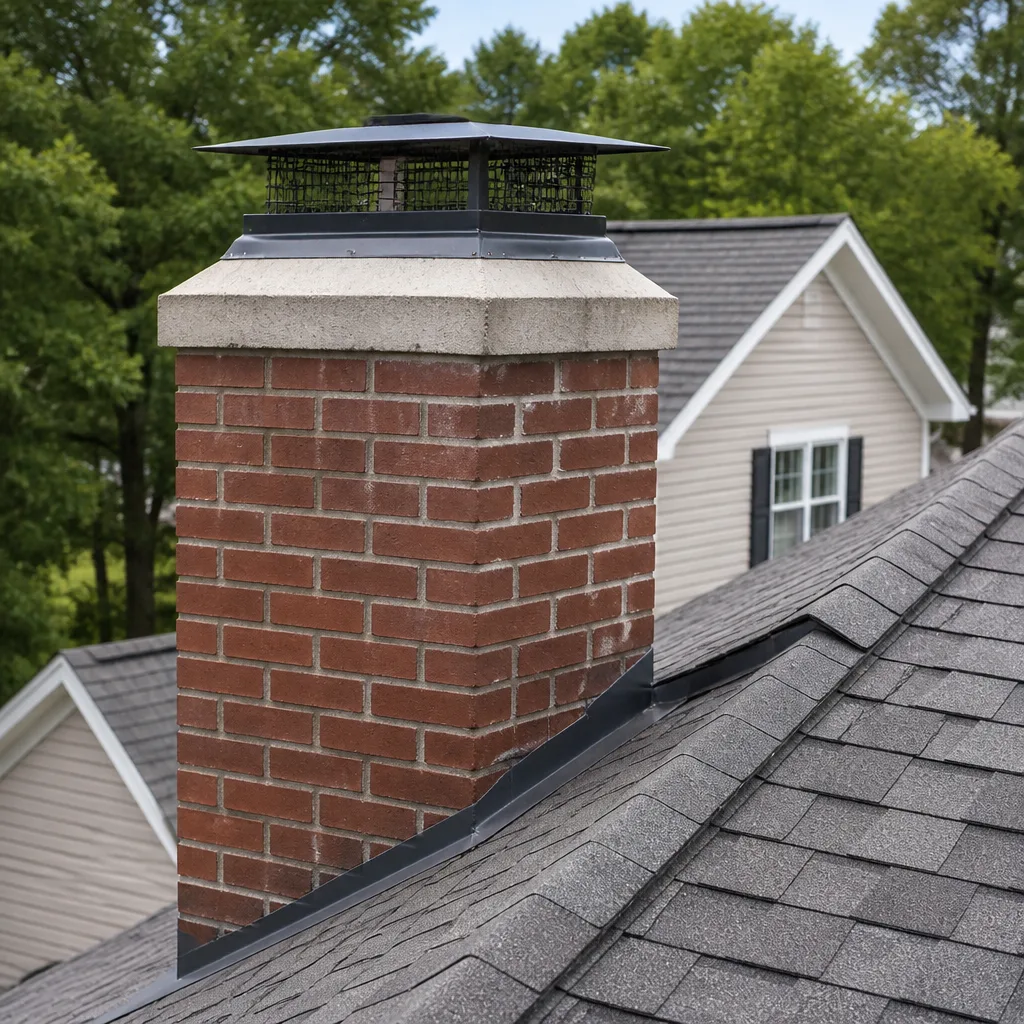 Sweep & inspection
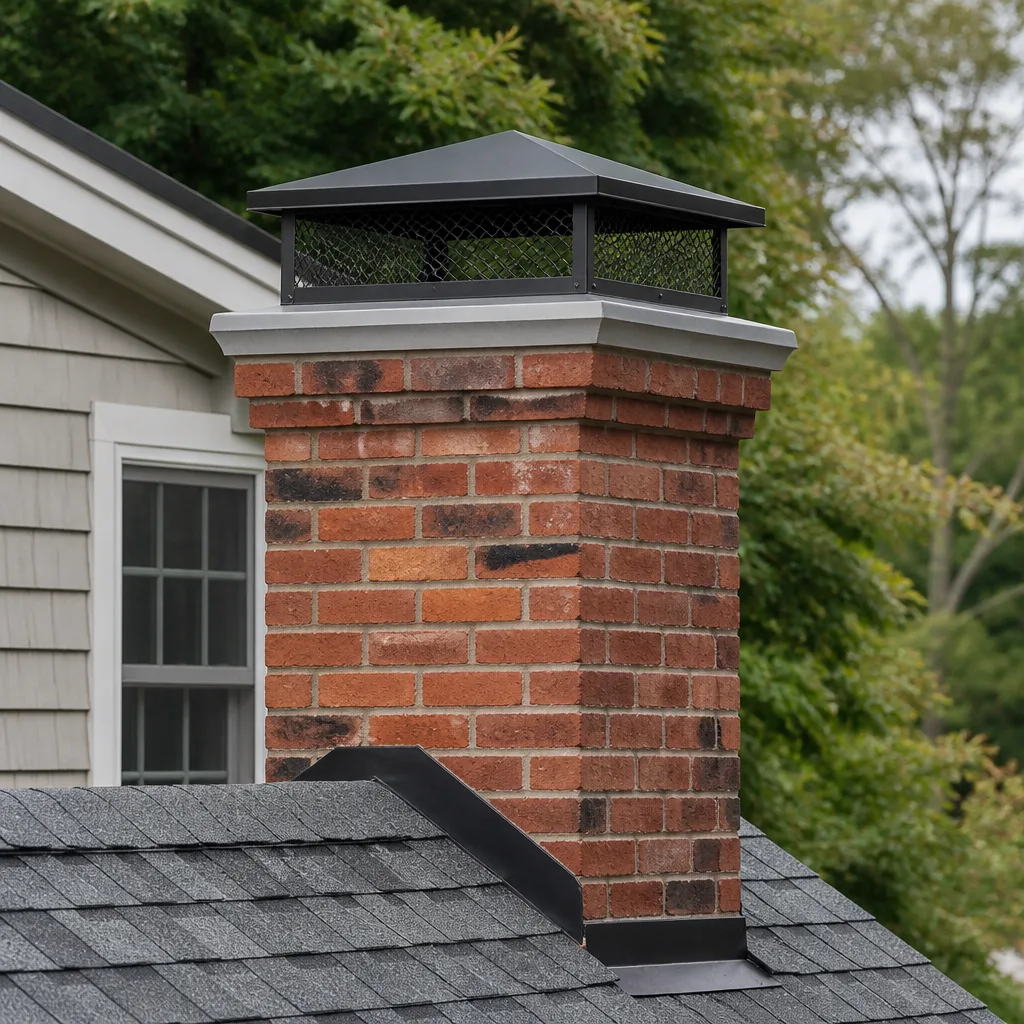 Caps & crowns
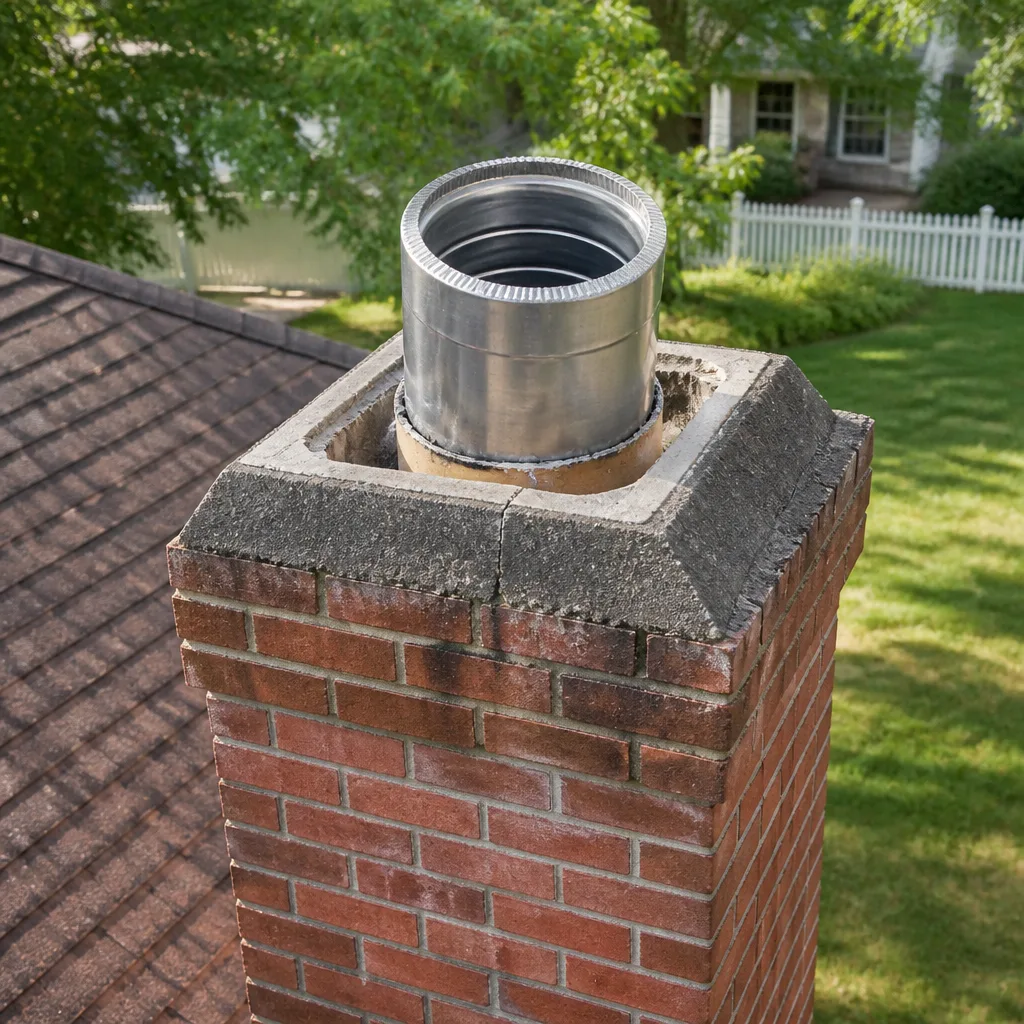 Flue relining
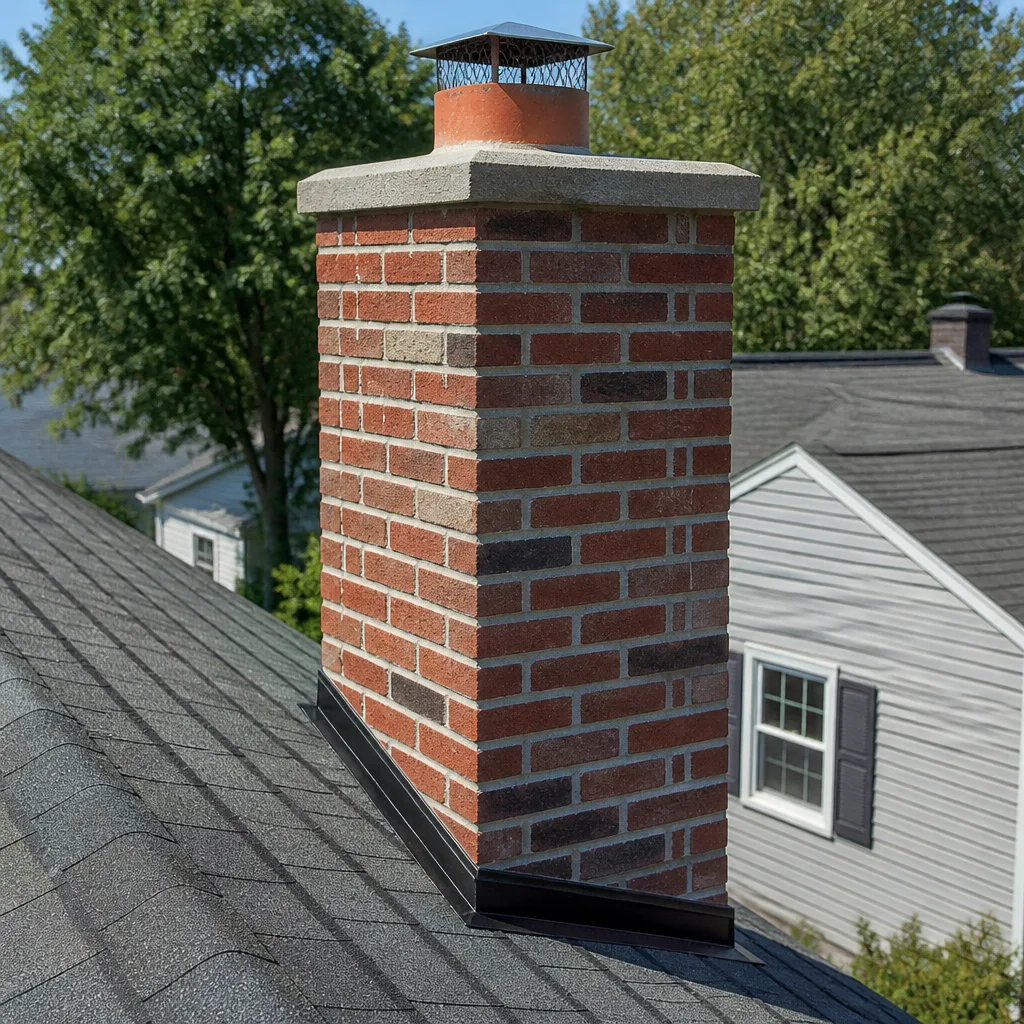 Masonry repair
 Gas fireplace service
Level 1 sweep and inspection to the NFPA 211 annual standard - flue, crown, cap, and flashing checked and photographed
Chimney sweep logs do not sweep chimneys. They loosen some creosote - which then falls where a brush and vacuum still have to collect it.
Chimney Cleaning Emergency Preparedness Guide for Canoga Park Homes
Most homeowners believe a chimney fire announces itself with flames at the top of the flue. It rarely does. A chimney fire usually sounds like a low rumble, a clicking, or a freight train moving through the walls, and it burns hot enough to warp a stainless steel liner and crack terra cotta tile before anyone sees smoke where smoke shouldn’t be. By the time you recognize the sound, you have roughly two minutes to make a handful of decisions that matter. This guide lays out those decisions in order, for Canoga Park homes specifically, so the plan exists before the emergency does.
Quick Answer
If you suspect a chimney fire in Canoga Park, call 911 first, get everyone out of the house, and close the firebox doors and damper to starve the fire of air. Do not throw water into the firebox. After the fire is out, do not use the fireplace again until a Level 2 inspection confirms the flue, liner, and surrounding structure are intact. A chimney that survived a fire without visible house damage can still hide a cracked tile or warped liner that lets carbon monoxide and embers into the walls.
Styles & brands we work with
- Sweep & inspection
- Caps & crowns
- Flue relining
- Masonry repair
- Gas fireplace service
Table of Contents
- What to do in the first 60 seconds of a suspected chimney fire
- Closing off a chimney fire: the damper and what products are worth having
- Carbon monoxide risk during Santa Ana wind events
- Post-emergency protocol: why a Level 2 inspection comes before reuse
- Building your chimney emergency contact plan
- When a chimney problem happens during a wildfire emergency
- Getting ready before the first burn of the season
- What a sweep needs from you when you call after an incident
What to do in the first 60 seconds of a suspected chimney fire
The first minute is about people, not property. Everything else can be replaced. Here are the actions in the order they matter.
- Get everyone out and call 911. A chimney fire can spread to the framing inside a wall without flames ever showing on the roof. The fire department is the only party that can confirm the fire is truly out.
- Close the glass doors on the firebox and close the damper. Cutting off the air supply is the single most effective thing a homeowner can do. A chimney fire needs oxygen, and the flue is a natural draft delivering it straight to the fire.
- Do not open the damper further. It seems intuitive to try to “vent” the smoke. It is the wrong move. An open damper feeds the fire and can push flames and superheated gas into the room.
- Do not throw water into the firebox. Water hitting a fire at chimney-fire temperatures can flash to steam, and that steam expands violently inside a confined flue. The result can be a cracked flue or a burst of scalding steam back into the room.
- Move cars and anything flammable away from the chimney exterior if you can do it safely from outside. If the roof is involved, don’t climb up. Leave that to the fire department.
- Watch for smoke coming through the walls, outlets, or attic vents. That signals the fire has escaped the flue. Get out and stay out.
What you don’t do matters as much as what you do. Panic-driven moves, like dousing the fire or opening a window near the fireplace to “clear smoke,” usually make things worse. The right sequence is short, boring, and worth rehearsing with everyone in the house.
Closing off a chimney fire: the damper and what products are worth having
A closed damper and closed firebox doors are the fastest way to cut a chimney fire’s air supply. That’s the barrier every Canoga Park homeowner should understand before they ever light a fire. A commercial chimney fire suppressant is the second layer.
Chimney fire suppressants come as sticks or powder that you toss into a hot firebox. They release a chemical that smothers the fire at the source. They are not a substitute for calling 911, and they do not replace an inspection afterward. What they can do is buy time and reduce the intensity of the fire while the fire department is on the way. If you keep a fireplace, keeping one or two suppressant sticks near the hearth is reasonable. Read the label and replace them if they expire.
What else belongs on the shelf next to the suppressant:
- A working ABC fire extinguisher rated for chimney and wood fires, checked once a year.
- A carbon monoxide detector on the same floor as the fireplace (more on placement below).
- A flashlight that works when the power doesn’t.
- A printed card with the fire department’s non-emergency number, your sweep’s number, and your homeowner’s insurance claim line.
The damper itself deserves attention before an emergency, not during one. A damper that sticks open, or that won’t fully close, is a real fire-safety issue in Canoga Park homes with original hardware. When we inspect a fireplace, we check damper operation alongside the flue and firebox. It’s one of the small things that determines whether the plan actually works when it counts.
Carbon monoxide risk during Santa Ana wind events
Carbon monoxide is a byproduct of incomplete combustion, and it has no color and no smell. In a Canoga Park home, the highest-risk window for CO intrusion through a chimney isn’t the coldest night of the year. It’s a Santa Ana wind event.
Santa Ana winds push hard, dry air from the interior toward the coast. When they hit a chimney cap, the pressure can reverse the normal draft that carries exhaust up and out. Instead of rising, combustion gases can be pushed back down the flue and into the living space. This is called backdraft, and it’s most likely when:
- The fire is burning low and cool, producing more CO than a hot fire.
- The chimney is partially blocked by soot or a failed cap screen.
- The cap is damaged or missing, so wind hits the flue opening directly.
- The fireplace and another exhaust appliance (kitchen hood, dryer, bathroom fan) are running at the same time.
Placement of the CO detector matters. Most homes have one near the bedrooms, which is good for sleeping occupants. That’s not enough for a chimney-related risk. You want a CO detector on the same floor as the fireplace, ideally within about 15 feet of the hearth. A detector in the bedroom can be too far away and too late to catch a chimney backdraft before it reaches dangerous levels in the room where people are sitting.
If your CO detector goes off and the fireplace is burning, put the fire out (close the doors, close the damper), get everyone outside, and call 911 from outside. Don’t wait to see if it clears. A failed cap or a compromised liner is a common culprit, and both are fixable. Our chimney cap & crown work exists partly to remove that risk: a well-fitted cap from Gelco, Famco, or Copperfield keeps wind from driving straight down the flue.
Post-emergency protocol: why a Level 2 inspection comes before reuse
After a chimney fire, the chimney is never automatically safe to use again, even if there’s no visible damage in the house. That’s the single most important line in this guide. A chimney that survived a fire without obvious damage can still have:
- A warped or partially collapsed stainless steel liner.
- Cracked terra cotta flue tiles that let embers reach the framing.
- Spalling mortar that has lost structural integrity.
- A damaged cap or crown that now lets water and debris in.
A Level 2 inspection is the standard for post-fire assessment. It includes a video camera run through the full length of the flue, a look at accessible portions of the exterior, and documentation of what the camera found. The camera evidence matters because it lets you see what the inspector sees. You shouldn’t have to take anyone’s word for it that the liner is bad. You should be able to look at the photo or video and see the crack for yourself.
This is where chimney work separates into two very different trades. Some companies brush the flue and leave. Others can repair. When a flue tile is cracked, resurfacing with HeatShield restores the flue interior without demolition. When the liner is beyond resurfacing or the flue configuration won’t accept a rigid liner, a DuraFlex flexible liner can be installed in offset and older flues. That’s the reason we work with those specific systems: they match the repair to the actual condition instead of forcing a full reline on every job.
After a fire, ask three questions of any sweep you call:
- Will I get photos or video of what you found?
- What’s the difference between a repair and a replacement in my case, and why?
- Can the chimney safely wait, and for how long?
Building your chimney emergency contact plan
The difference between a fast recovery and a slow one is usually the plan that was written down before the fire. A chimney emergency plan for a Canoga Park home has three parts: when to call 911, when to call a sweep, and what information to have ready.
Call 911 when:
- You see or hear active fire in the chimney.
- Smoke is coming through walls, outlets, or the attic.
- Anyone in the home has symptoms of CO exposure (headache, dizziness, nausea, confusion).
Call a sweep when:
- The fire is out and the fire department has cleared the house for re-entry, and you need a post-fire inspection.
- The fireplace is smoking into the room without a fire (a draft or blockage problem).
- You smell a strong creosote odor, which suggests a heavy buildup that needs a sweep.
- You’ve moved into a Canoga Park home and don’t know when the chimney was last serviced.
When you call a sweep after an incident, have this ready:
- Your address and the type of fireplace (wood-burning masonry, prefab, insert, gas).
- What you saw and heard (rumble, popping, clicking, smoke location).
- Whether the fire department responded and what they said.
- Approximate age of the home and whether the chimney has ever been relined.
- Whether your insurer is involved and whether they’ve asked for documentation.
Pin this information on the refrigerator. Nobody processes details well after a scare, and having it written down shortens the call. If you’d rather start the relationship before anything happens, a routine chimney sweep is the best way to know your flue’s condition while everything is calm.
When a chimney problem happens during a wildfire emergency
Canoga Park sits in a fire-prone region, and that changes the math on chimney emergencies. A chimney problem during a wildfire evacuation order is different from a chimney problem on a quiet winter evening. Priorities flip.
If an evacuation order is in effect, leave. A chimney fire isn’t worth staying for. The fire department is already stretched thin during a regional fire event, and adding a structure fire to their workload endangers crews who are needed elsewhere.
If a wildfire is nearby but no evacuation order has been issued, and you’re noticing chimney symptoms (smoke backing up, unusual odor, poor draft), the cause may not be your chimney at all. Heavy smoke in the air reduces the oxygen available for combustion and can create a pressure imbalance that affects draft. That doesn’t mean the chimney is fine. It means you shouldn’t diagnose it alone. Shut the fireplace down and get it inspected.
The other wildfire-season connection is ember intrusion. Embers from a wildfire can enter an uncapped flue and ignite creosote inside it. A properly fitted cap from a professional-grade manufacturer (we stock Gelco, Famco, and Copperfield caps, among others) closes that path. If your chimney has an open flue or a missing cap, that’s one of the highest-value preventive steps you can take in wildfire country.
Getting ready before the first burn of the season
Most chimney emergencies trace back to something that could have been caught before the first fire. A pre-season checklist, done once each year, dramatically reduces the odds that your first burn of the season turns into a scramble. Here’s the version we walk Canoga Park homeowners through.
- Schedule a professional inspection and sweep. Do this in the warmer months, before the first cold snap pushes everyone onto the same schedule.
- Test every smoke and CO detector. Replace batteries if they’re older than a year. Add a CO detector near the fireplace if you don’t have one.
- Look at the cap and crown from the ground. A missing cap screen, rusted mesh, or cracked crown is visible with binoculars. Both a damaged cap and a cracked crown are repairable and both matter. Our guide to chimney cap & crown work covers what “damaged” actually looks like.
- Check the damper. It should open and close smoothly, seal fully, and not rattle or stick.
- Look inside the firebox for loose bricks, cracked mortar, or rust on a prefab unit. These point to a fireplace repair need. Don’t light a fire until they’re addressed.
- Clear the hearth area. Nothing combustible within three feet of the firebox, including rugs and firewood piles that creep closer over the off-season.
- Review the plan with everyone in the house. Where the extinguisher is, what a chimney fire sounds like, who calls 911, and where to meet outside.
Wood choice matters too. Seasoned hardwood burns hotter and cleaner than green or unseasoned wood, which produces more creosote. A hotter fire moves more air up the flue and leaves less soot behind. Keep that in mind as a preventive measure, not a performance one.
What a sweep needs from you when you call after an incident
What a sweep needs after an incident is the information that lets them decide whether the job is a routine inspection, a full post-fire assessment, or a reply that says “call your insurer first.” A good sweep will ask the following questions. Having the answers ready makes the call productive.
- What you observed and when. “A rumble around 9pm, no smoke in the house, fire department came and cleared it” is a useful sentence. So is “I smelled smoke in the attic an hour after the fire went out.”
- The property’s history. When was the last sweep? Has the chimney been relined? Is the fireplace original to the home, or was it added?
- The configuration. Does the flue go straight up, or does it offset? Is it a masonry flue with tile, a metal prefab unit, or an insert?
- Whether the fire department responded and what they wrote. Their report is useful documentation for your insurance claim.
- Whether anyone had symptoms. Headaches, dizziness, or confusion after a fire means everyone gets checked by a medical professional, no exceptions.
When you call us after an incident, we’ll ask those questions in roughly that order and then explain the next step before we book anything. The inspection will include camera documentation of the flue. You’ll see the photos. If nothing needs doing, we’ll tell you that. If something can wait, we’ll tell you that too. We work with professional-grade materials from brands like DuraFlex, HeatShield, and Olympia Chimney because a repair that outlasts the house is the only kind worth installing. But no repair gets recommended that we can’t show you the evidence for.
One more thing worth knowing: a chimney fire is a homeowner’s insurance event. Contact your insurer as soon as the fire is out and the fire department has gone. They’ll usually want the fire department’s report and an inspection report before they’ll authorize repair. Getting the inspection done early keeps the claim moving.
Common Mistakes to Avoid
- Assuming no visible damage means no damage. The most dangerous outcome of a chimney fire is a liner that looks intact on the outside and is cracked or warped inside. The house doesn’t have to burn for the chimney to be unsafe. That’s why a Level 2 inspection after every chimney fire is non-negotiable.
- Opening the damper to “let the smoke out.” In a chimney fire, an open damper is fuel, not relief. Close the doors and the damper, get out, call 911.
- Throwing water into the firebox. Water hitting a 2,000°F fire can flash to steam and crack the flue or push scalding steam back into the room. Wait for the professionals.
- Skipping the CO detector near the fireplace. A bedroom-only CO detector is too far from a chimney backdraft during a Santa Ana wind event. Put one on the same floor as the fireplace, and test it every year.
- Waiting until the first cold snap to schedule a sweep. Every Canoga Park homeowner reaches for the phone on the same weekend. Booking an inspection in the warmer months keeps you off the wait and gives you time to repair anything that turns up.
- Hiring a “sweep” without asking what they can actually do. A company that brushes and leaves can’t repair a cracked flue tile or replace a failed liner. Ask whether the company can resurface a flue and install a flexible liner, and get the answer in writing.
- Not writing down the plan. If you can’t tell a family member where the extinguisher is, what a chimney fire sounds like, and which number to call, the plan doesn’t exist yet.
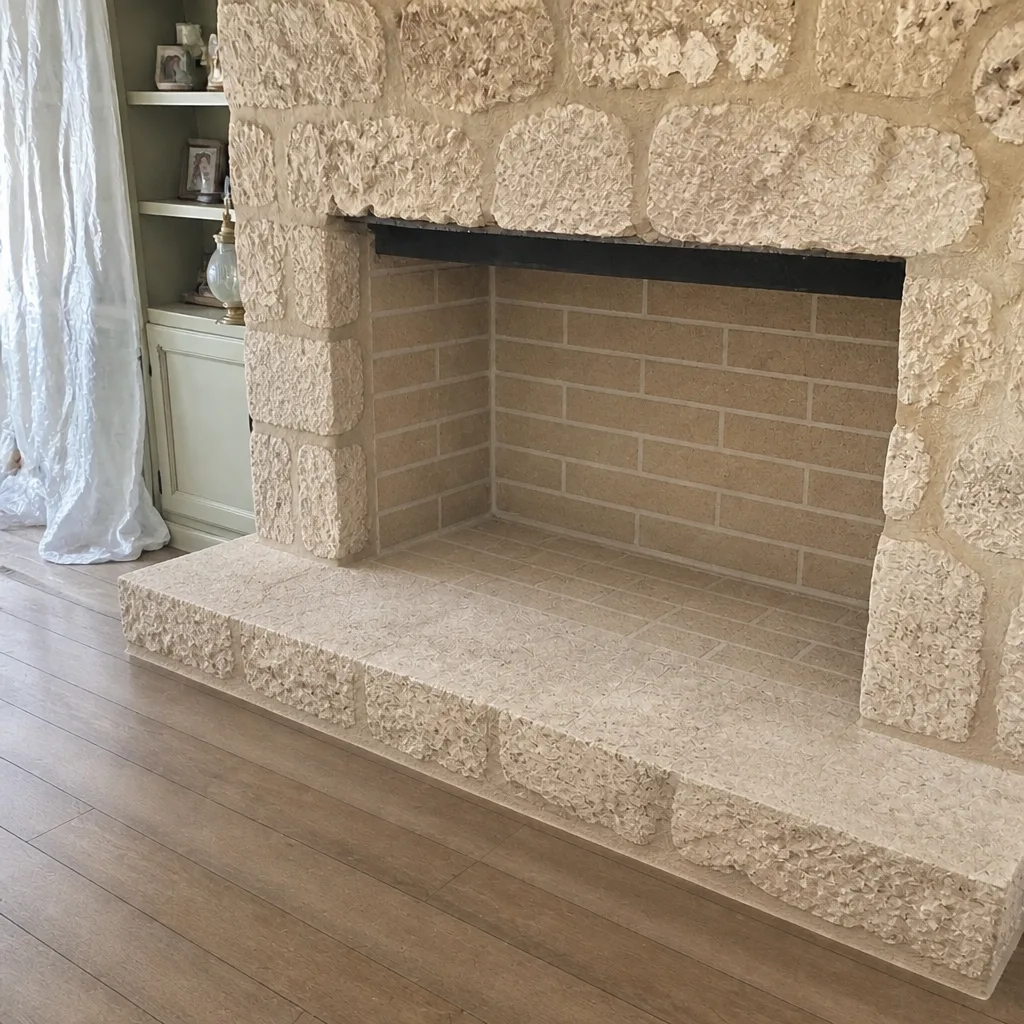
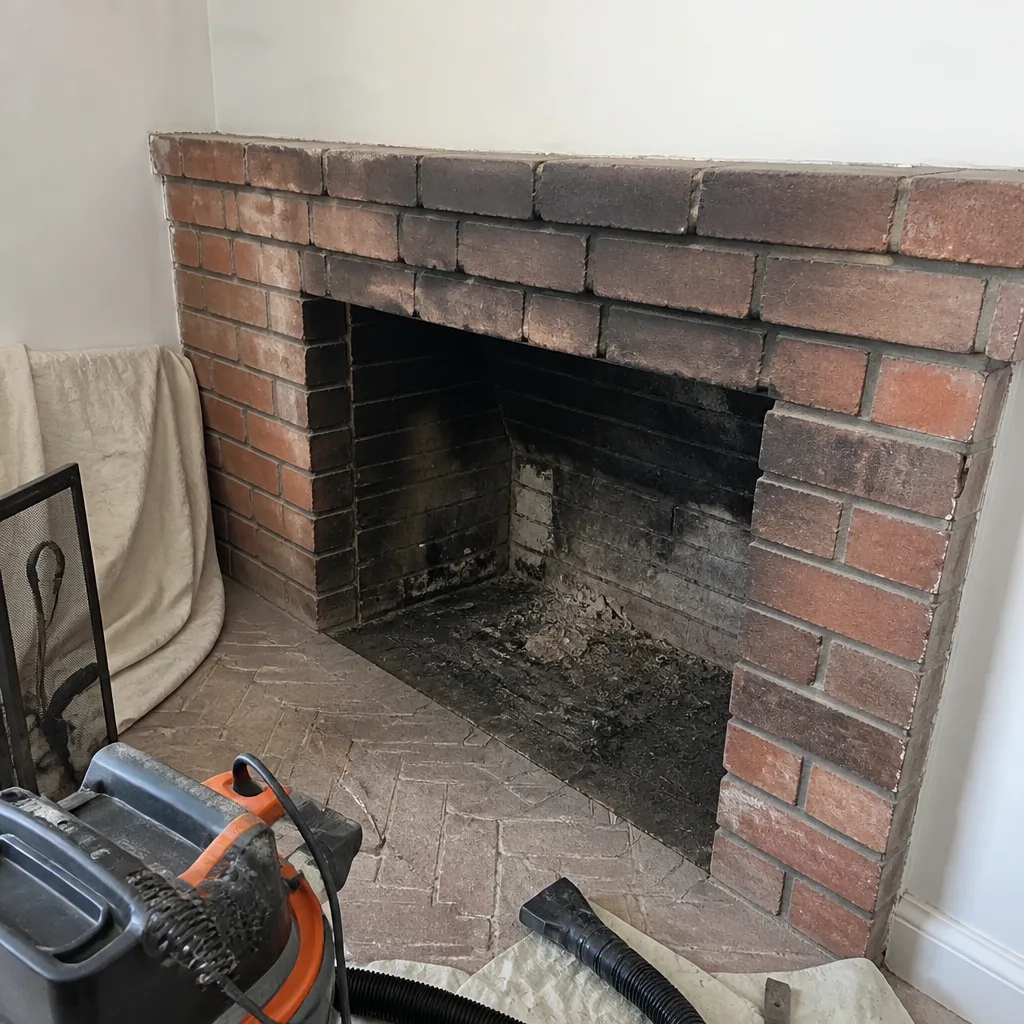
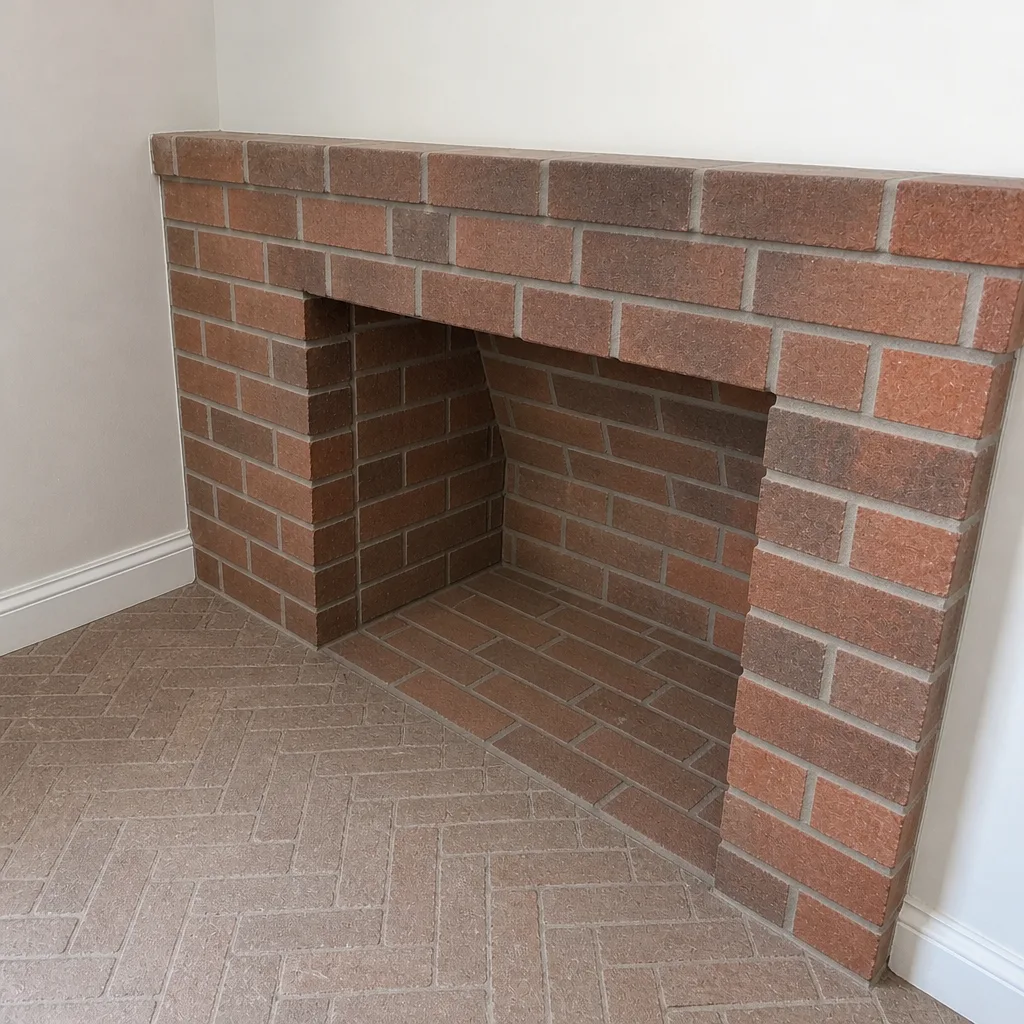
See the difference
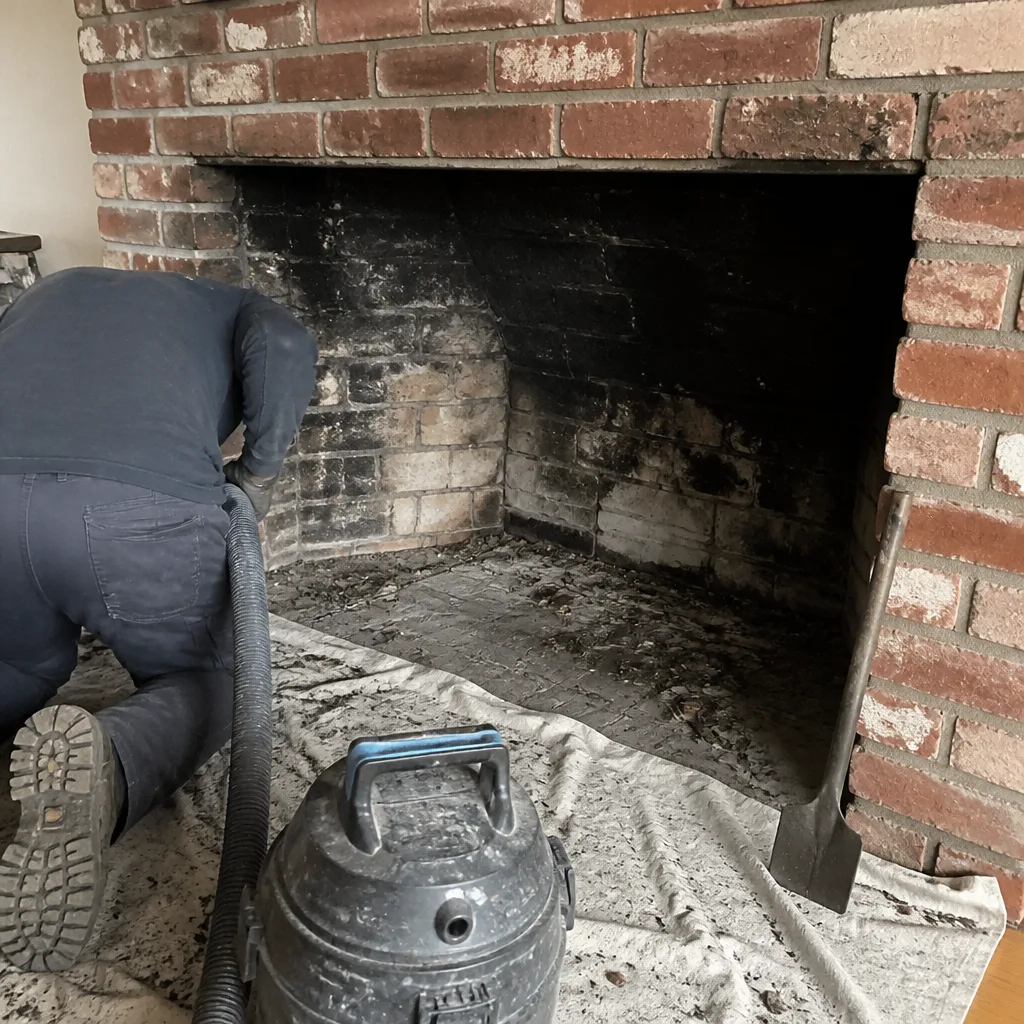 Before
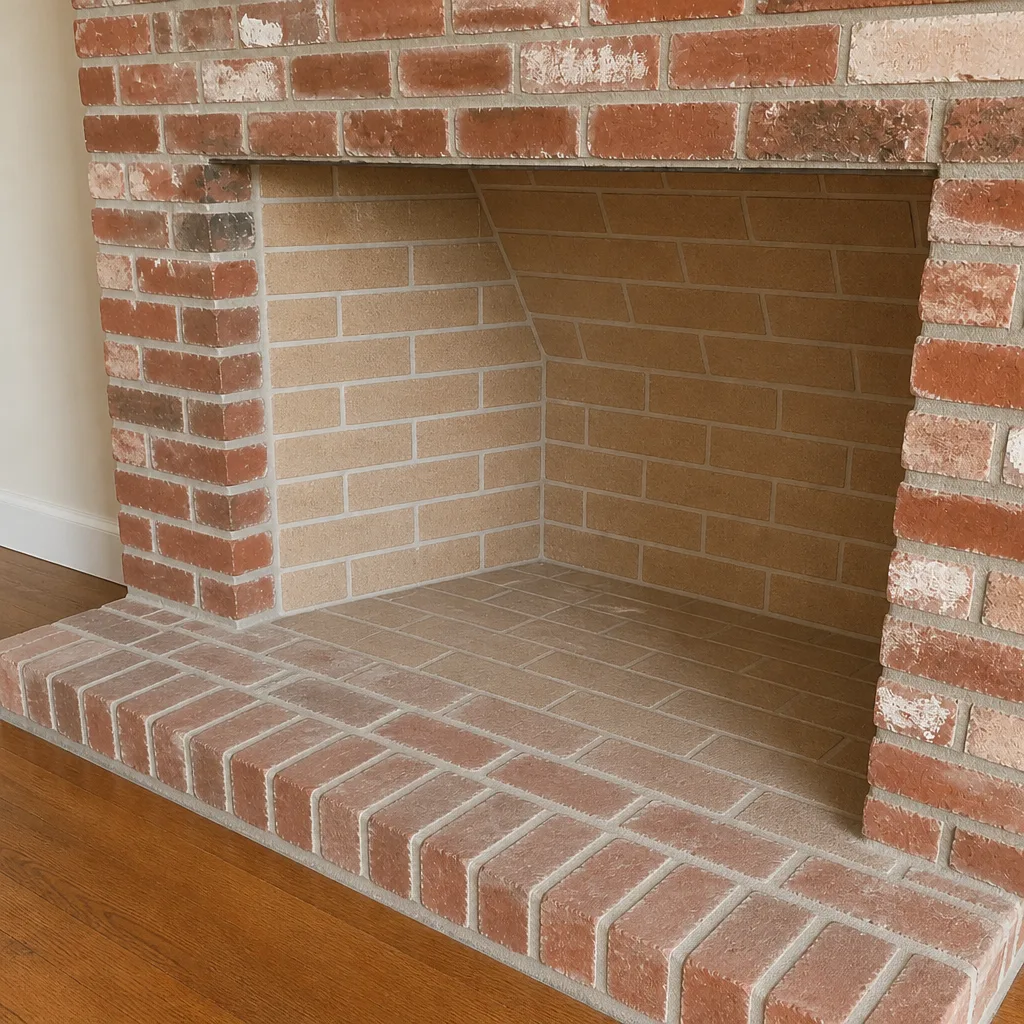 After
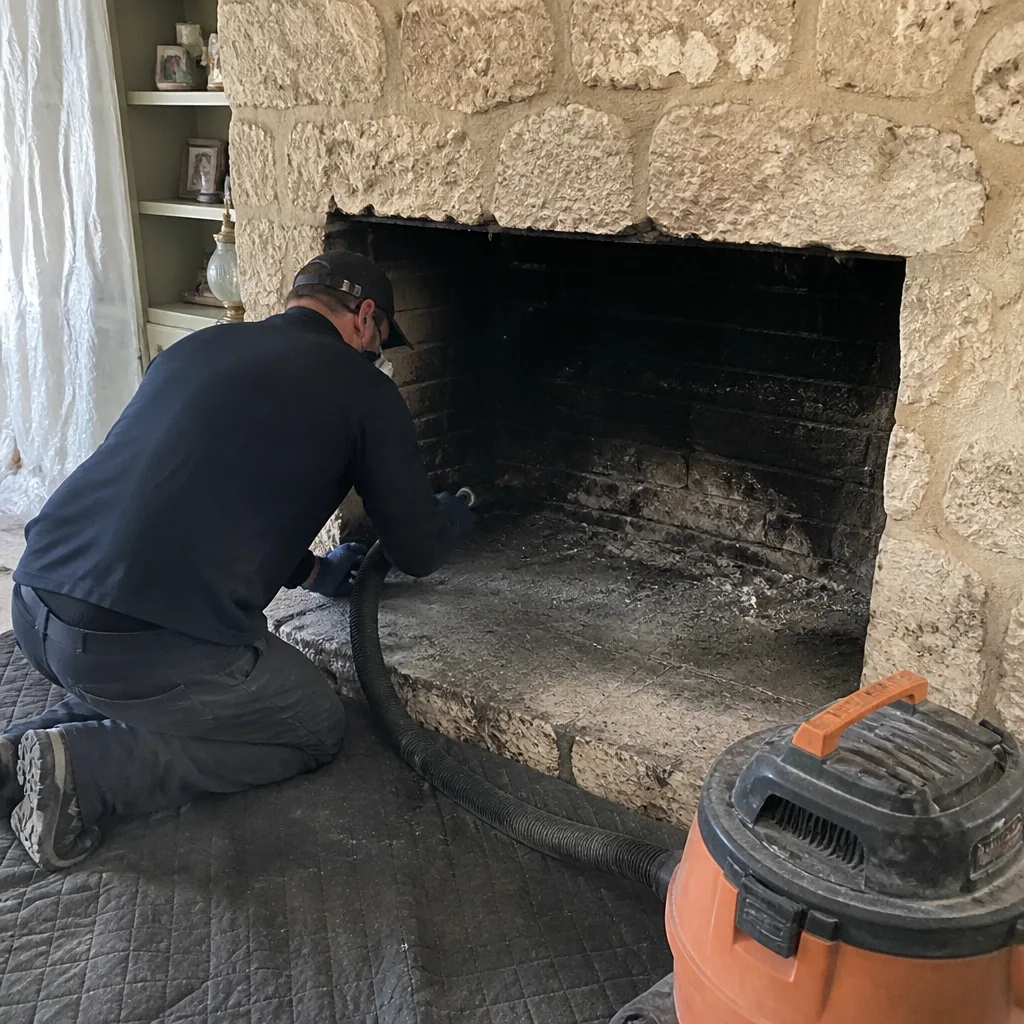 Before
 After
 Before
 After
When to Call a Professional
Call a professional sweep when the fire is out and you need a post-fire inspection, when the fireplace smokes into the room without a fire, when you smell a strong creosote odor, when the cap is missing or damaged, or when you’ve moved into a home with no service history. Call 911 immediately if anyone has CO symptoms or if fire is still in the chimney. For anything that needs a trained eye, a camera, and documentation you can keep, that’s when a specialist matters. Chimney Sweep Canoga Park offers free estimates in Canoga Park – call (844) 443-4582. We answer 24/7. Fast dispatch from 7am to 7pm, Sunday through Friday.
Frequently Asked Questions
A chimney fire usually sounds like a low rumble, a clicking or tapping sound, or a freight train moving through the walls. It rarely arrives with visible flames at the top of the flue. If you hear it, close the firebox doors and damper, get everyone out, and call 911 from outside. Call (844) 443-4582 for a post-fire inspection once the fire department has cleared the house.
A chimney fire can exceed 2,000°F, which is hot enough to warp stainless steel liners and crack terra cotta flue tile. That’s why a chimney that survives a fire can still be structurally compromised and unsafe to reuse. A Level 2 inspection with camera documentation is the only way to know. Call (844) 443-4582 to book one.
Yes, chimney fires can go out on their own once the creosote that fueled them is consumed. That doesn’t mean it’s safe to use the fireplace again. The fire may have damaged the liner or cracked the flue tile in ways you can’t see from inside the room. Anyone who has had a chimney fire should book a Level 2 inspection before the next burn. Call (844) 443-4582 for an exact quote on the inspection – estimates are free.
Put a CO detector on the same floor as the fireplace, ideally within about 15 feet of the hearth, in addition to the ones near the bedrooms. A chimney-draft failure pushes CO into the room where people are sitting, and a bedroom-only detector may be too far away to warn them in time. If your detector goes off while the fireplace is burning, put the fire out, get everyone outside, and call 911. Then call (844) 443-4582 to inspect the cap, damper, and liner before you use the fireplace again.
Yes. During an active evacuation order, leave. A chimney fire isn’t worth staying for, and the fire department is already stretched thin. If there’s no evacuation order, but the air is smoky from a nearby wildfire, don’t try to diagnose a smoking chimney yourself. Shut the fireplace down and get an inspection. Call (844) 443-4582 to book one – estimates are free.
No. The firebox is only one part of the system. The flue and liner are where the most dangerous post-fire damage usually hides. Resealing the firebox without inspecting the full flue can leave a compromised liner in place. Book a camera inspection of the entire flue before the fireplace runs again. Call (844) 443-4582 for a free estimate.
The Bottom Line
A chimney emergency plan is short, cheap, and easy to forget until it’s needed. Write it down. Know what a chimney fire sounds like. Have an ABC extinguisher and a CO detector near the hearth. Close the doors and damper, get everyone out, call 911 first, and book a Level 2 inspection before you use the fireplace again. If you’re in Canoga Park and haven’t had the chimney inspected this season, now is the right time to change that. The team at Chimney Sweep Canoga Park works with the professional-grade product lines – DuraFlex, HeatShield, Gelco, Olympia Chimney, Famco, and Copperfield – that hold up to a real repair, not just a temporary patch.
If you need a free estimate or a post-fire inspection, call (844) 443-4582. We answer 24/7. Fast dispatch from 7am to 7pm, Sunday through Friday.
Written by the team at Chimney Sweep Canoga Park.