
Last updated November 22, 2026
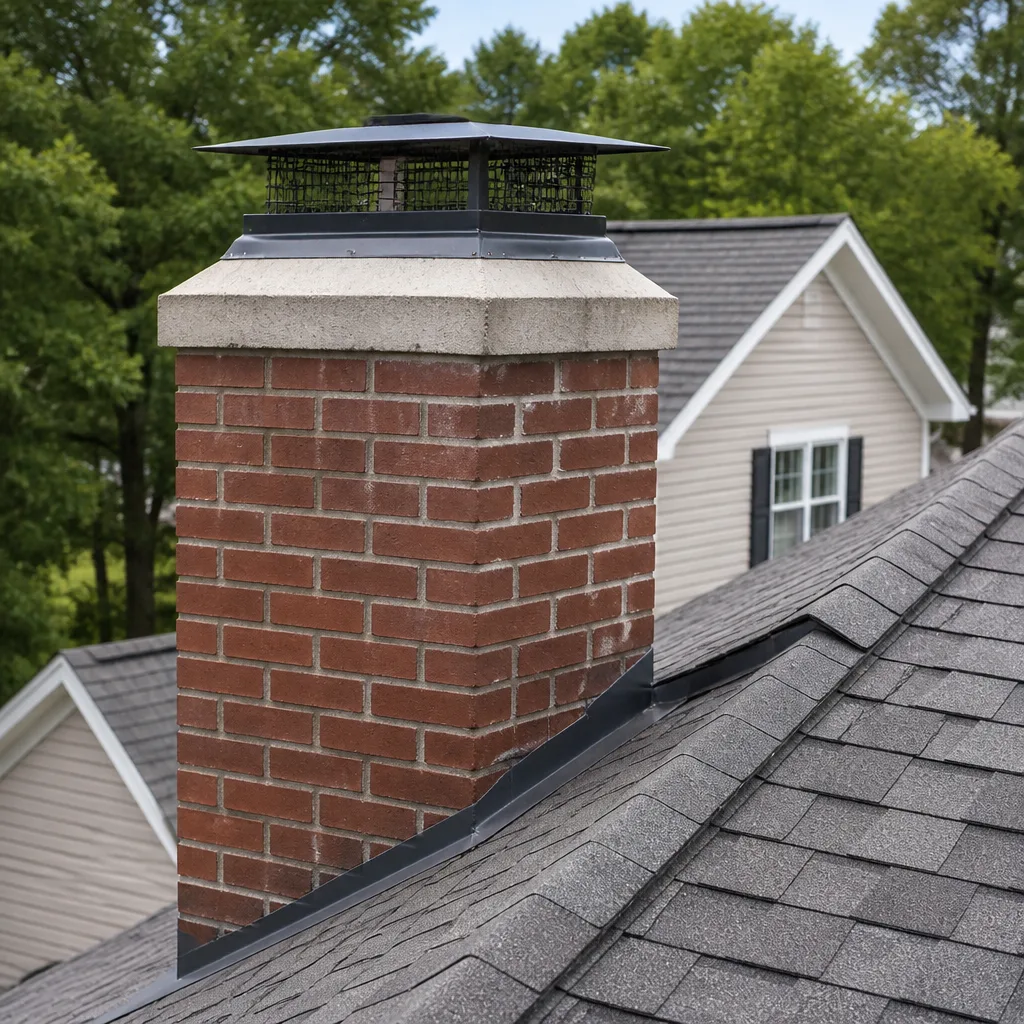 Sweep & inspection
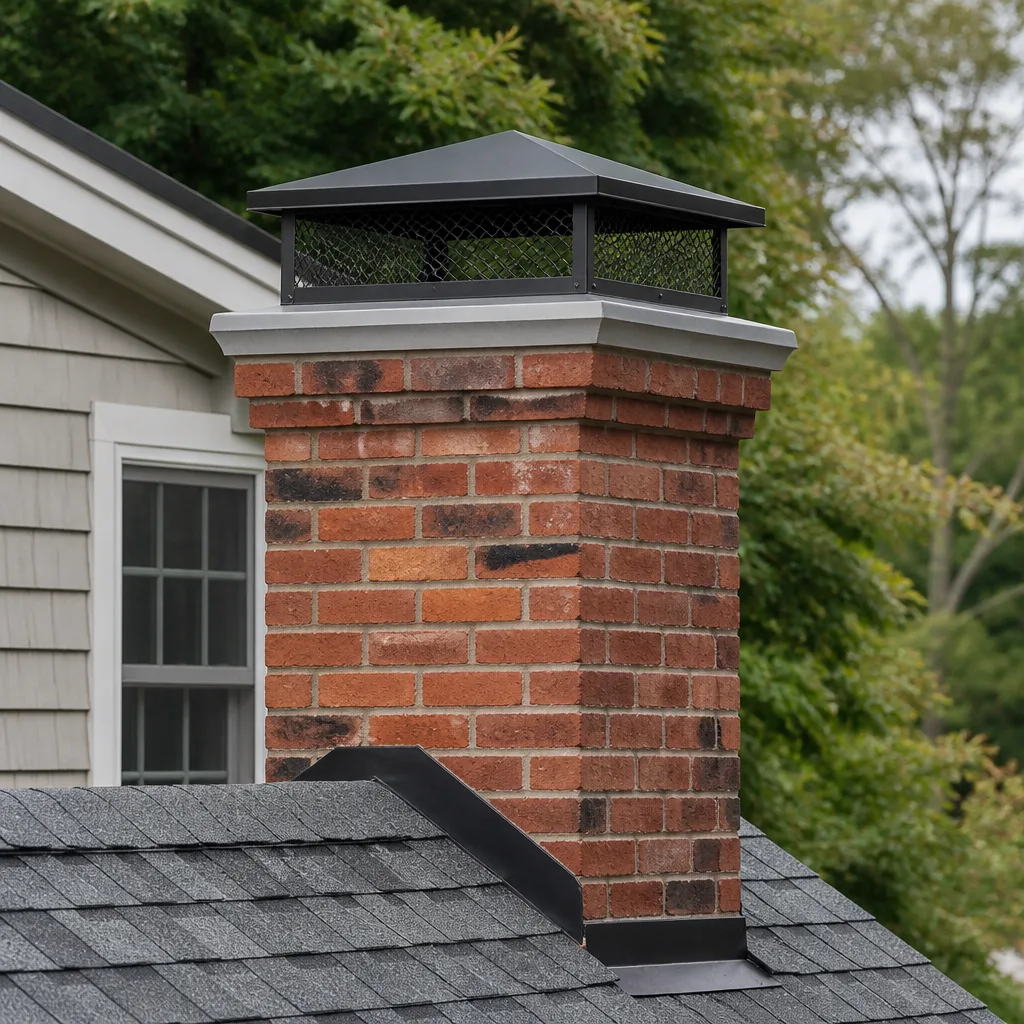 Caps & crowns
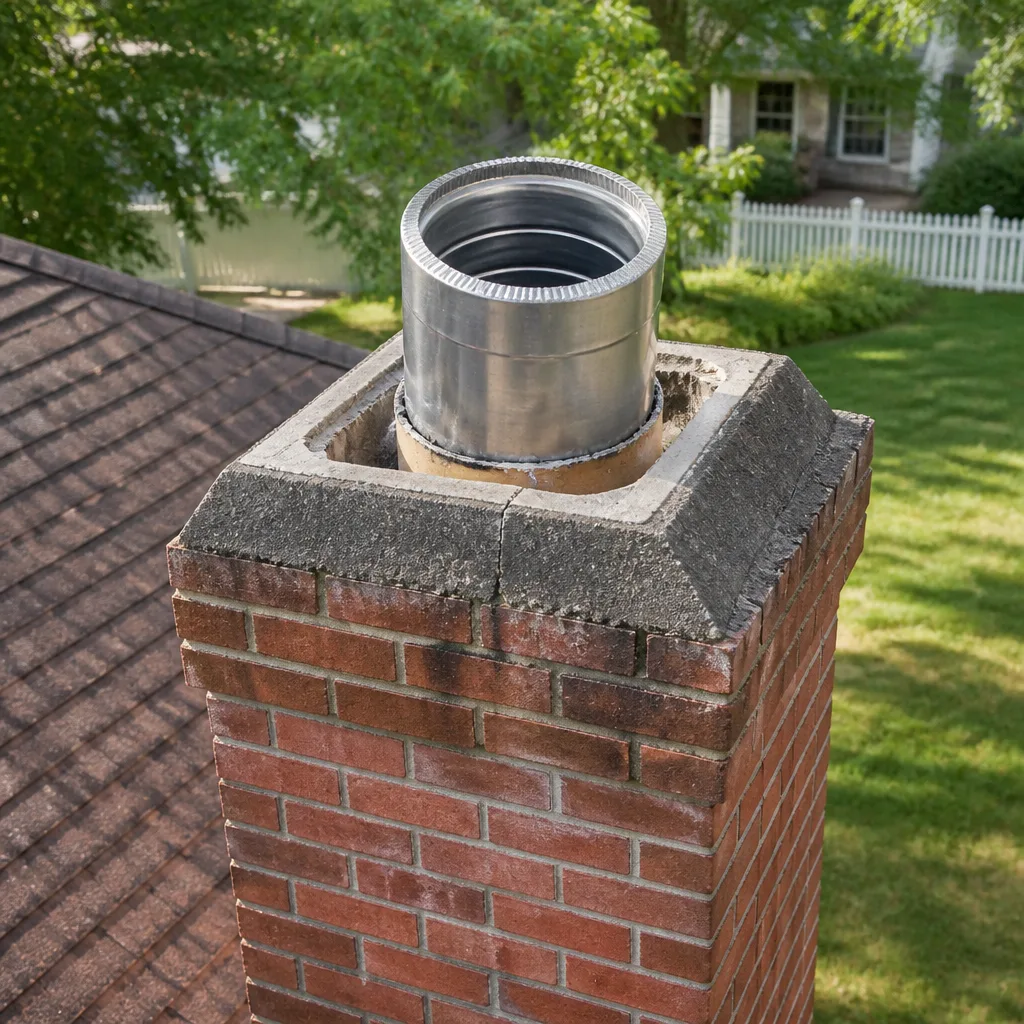 Flue relining
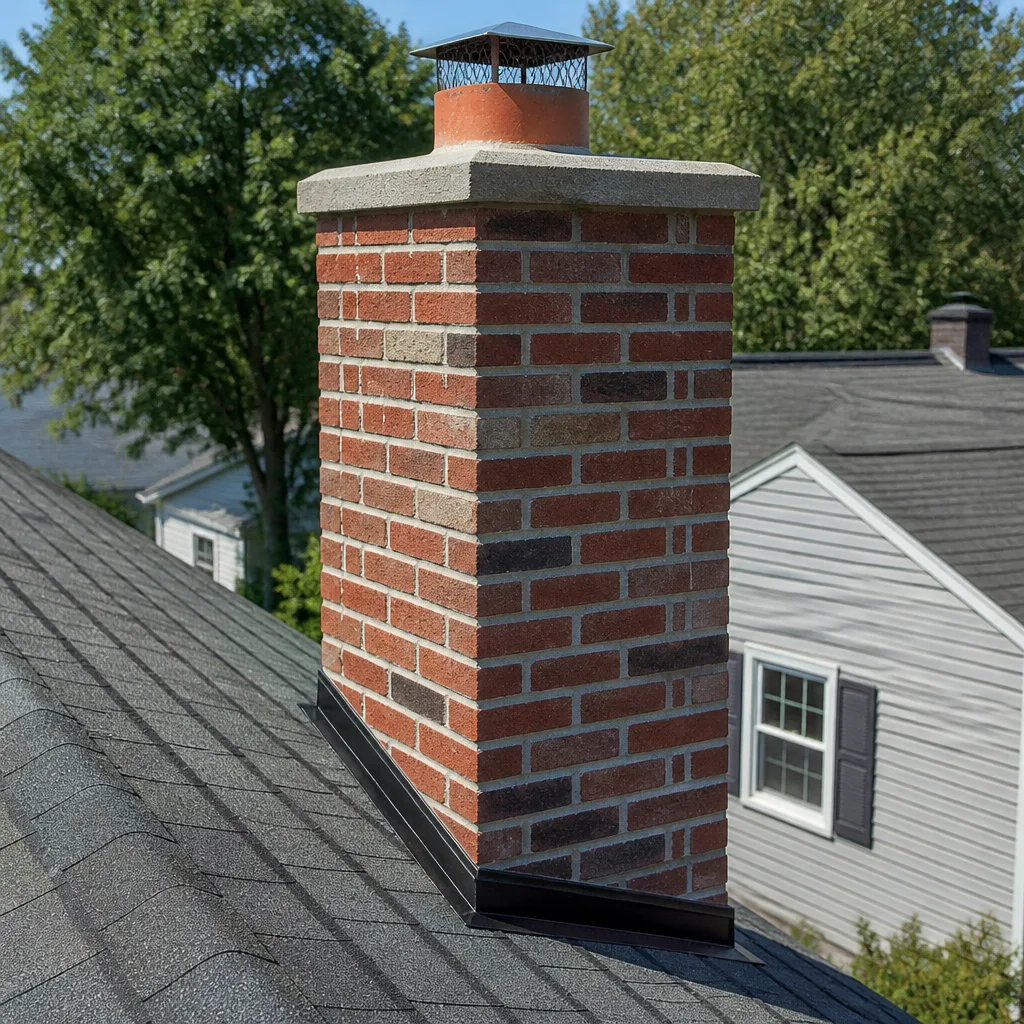 Masonry repair
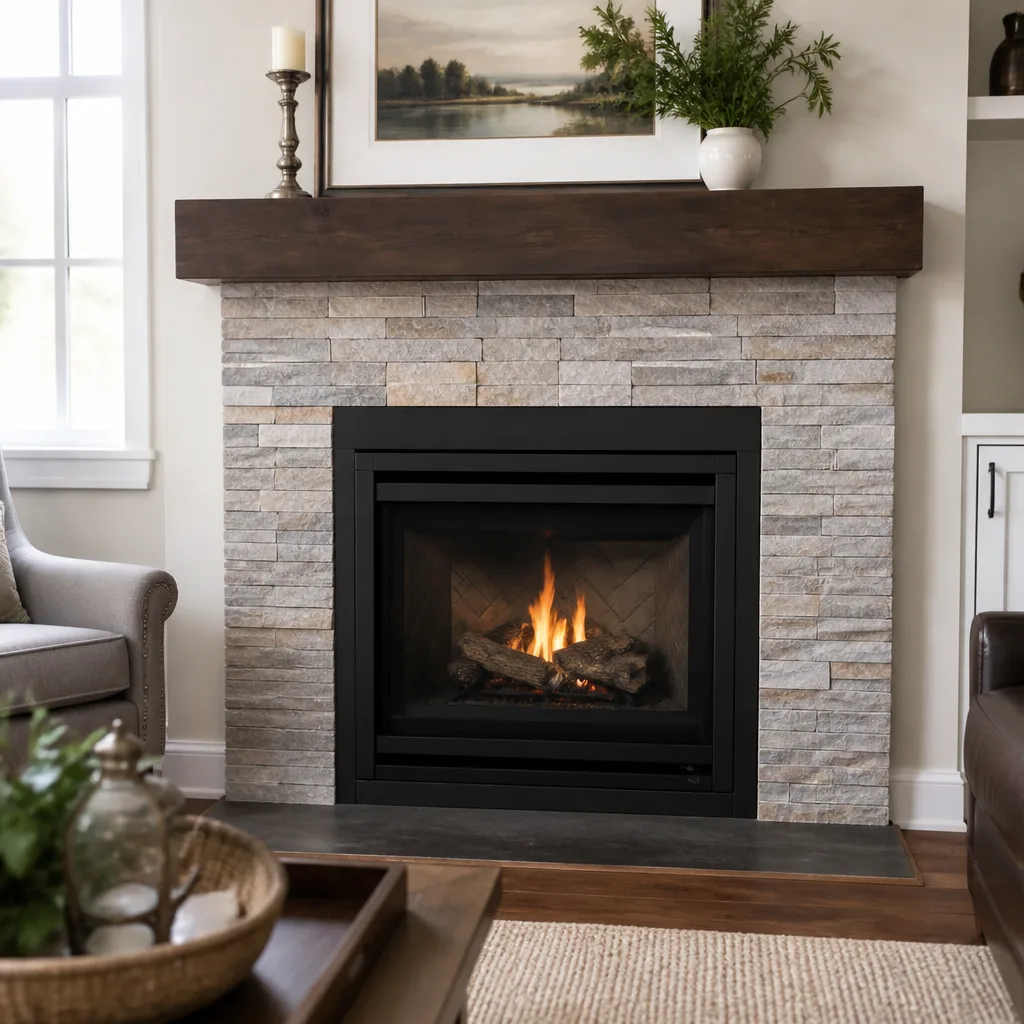 Gas fireplace service
Level 1 sweep and inspection to the NFPA 211 annual standard - flue, crown, cap, and flashing checked and photographed
Chimney sweep logs do not sweep chimneys. They loosen some creosote - which then falls where a brush and vacuum still have to collect it.
Chimney Cleaning Warning Signs: A Canoga Park Homeowner’s Reference Guide
A smoky smell drifting into the living room on a windy afternoon does not always mean your flue is dirty. In a tightly sealed Canoga Park home, that smell is frequently a draft reversal caused by negative pressure, and sweeping the chimney will not make it go away. Misreading a warning sign is expensive at best, and in a chimney it can be dangerous, because a wrong fix on a flue or a crown often leaves the real problem festering behind fresh-looking work. This guide walks you through how to read the signals your chimney is actually sending: what you see in the firebox, what you smell, what shows on the exterior brick. You’ll learn which signs point to cleaning, which point to structure, and which should have someone on the roof taking a closer look.
Quick Answer
The main chimney cleaning warning signs are a strong creosote odor (oily, asphalt-like), visible sooty buildup or glazed black deposits inside the firebox, smoke rolling back into the room when the damper is open, and smoky or oily staining on the exterior brick below the cap. Any one of these is reason enough to book a professional inspection before you burn again. Odors that smell organic or ammonia-like usually mean animals, not creosote, and need a different response.
Styles & brands we work with
- Sweep & inspection
- Caps & crowns
- Flue relining
- Masonry repair
- Gas fireplace service
Table of Contents
- What Creosote Buildup Looks Like at Each Stage
- Reading the Smell: Creosote vs. Animals vs. Draft Reversal
- Warning Signs Inside the Firebox
- Exterior Warning Signs on Canoga Park Chimneys
- Cleaning Issue or Structural Issue? How to Tell
- Why Ignoring a Warning Sign Through Summer Is a Mistake
- Sweep vs. Specialist: What Actually Happens On-Site
- How Often Should a Chimney Be Swept?
What Creosote Buildup Looks Like at Each Stage
Creosote is the residue left behind when wood burns inefficiently. It starts as a light dusting inside the flue and firebox and, over time, can progress through noticeably different stages. Knowing what each stage looks like lets you describe what you’re seeing when you call for a chimney sweep, and it helps a technician know what equipment to expect before they even open the firebox door.
The stages typically look like this:
- Stage 1: powdery gray or light brown soot. Easy to brush off. This is the stage most routine sweeps remove before buildup becomes serious. If this is all you see, you’re on top of maintenance.
- Stage 2: flaky, crusty black deposits. The residue has started to fuse to the flue surface. Brushing removes much of it, but a straight brush pass may leave a residue film. Some of this film needs a chemical or rotary sweep treatment.
- Stage 3: glazed, shiny black coating. This is where creosote becomes genuinely dangerous. The deposit has hardened like glass, adheres firmly to the flue tile, and burns hot if it ignites. Removing glazed creosote takes more than a standard sweep: it requires rotary cleaning with specific tooling, and often an inspection to confirm the flue tiles beneath the glaze haven’t cracked or degraded from heat.
What you see in the firebox is a proxy for what’s happening further up the flue. Glazed black residue near the damper usually means glazed residue higher up too, and that flue deserves a thorough inspection before any recommendation. We inspect before we sweep for exactly that reason: the sweep needs to match the deposit, not the deposit be guessed at from the room.
Reading the Smell: Creosote vs. Animals vs. Draft Reversal
If you can smell your chimney from the living room, you need to know which of three things you’re smelling before calling anyone. Misidentifying the odor leads to the wrong service and, in some cases, a bill that fixes nothing.
1. Creosote odor: oily, asphalt-like, faintly tar-like
Creosote has a distinctly petroleum, almost road-paving smell. It hangs in the air more persistently than smoke does, and it tends to be stronger on warm, humid days when the chimney is not actively drafting. If your living room smells like hot tar or a freshly paved driveway, you likely have significant creosote accumulation. That’s a cleaning issue, but check the visual stages above to see whether a standard sweep will do or whether the flue needs rotary work.
2. Animal intrusion odor: organic, ammonia, urine-tinged
Birds, squirrels and raccoons get into chimneys far more often than most homeowners expect. Animal smell is organic and sour, sometimes with a sharp ammonia note from droppings. It often comes and goes rather than sitting steadily. If the odor is mixed with scratching or fluttering sounds, you almost certainly have an animal, and the fix involves removal plus capping. A sweep alone will not solve an animal problem.
3. Draft reversal odor: cool outdoor air, woodsmoke under pressure
A tightly sealed modern home can develop negative pressure, especially when the kitchen exhaust fan or bath fan is running. That pressure pushes air down the flue and back into the room. The smell is outdoor air mixed with a woodsmoke undertone, and it often arrives with a windy day. Cleaning will not fix a draft reversal because there is nothing to clean; the issue is air pressure balance. Solutions include adjusting combustion air, installing a top-sealing damper, or, in some cases, a cap designed to improve draft.
Read the smell carefully. It points to three different services in Canoga Park homes, and getting it right the first time saves both money and a false sense that the problem is solved.
Warning Signs Inside the Firebox
Spend five minutes with a flashlight and the firebox will tell you most of what a technician would want to know walking in. What you’re looking for breaks down into texture, color and distribution.
- Glazed black deposits: as covered above, this is advanced creosote and demands professional cleaning plus a closer look at the flue tiles.
- Powdery gray ash: normal for a well-used fireplace and typically the sign that a routine sweep is due. Not dangerous, but a good indicator it’s time to book.
- Oily, tar-streaked residue: often seen around the damper and smoke chamber. This is intermediate-stage creosote and points to a fuller cleaning cycle than the flue alone.
- Cracked tiles or visible gaps: you’ll see this in the smoke chamber or at the first flue tile up from the damper. This is a structural signal, not a cleaning one, and the fix is resurfacing or relining, not a sweep.
- Rust on the damper or firebox metal: usually means moisture is entering from above, typically through a failing crown or an uncapped flue. This is a chimney cap & crown issue, not a cleaning one.
- Crumbling firebrick or missing mortar joints: points to water intrusion and masonry damage. Resurfacing and fireplace repair work rather than a simple sweep.
What separates a cleaning call from a repair call is whether the residue is inside the flue or whether the flue itself has been compromised. A camera inspection settles the question. Nothing should be recommended on a hunch. When a contractor tells you that your liner needs immediate replacement, ask to see the photos from inside the flue. The evidence should be visible to you, on-screen, before you commit to work.
Exterior Warning Signs on Canoga Park Chimneys
The exterior of a brick chimney is where some of the most easily missed warning signs live, and Canoga Park’s dry climate, warm summers and occasional seismic activity make certain patterns especially worth a closer look. What you’re reading on the outside is water, heat and movement.
Efflorescence on the brick
Efflorescence is the white, chalky powder that appears on brick when water migrates through the masonry and evaporates on the surface, leaving salts behind. It’s not dangerous by itself, but it’s a reliable early signal that water is finding a way in, usually through a cracked crown, a failed cap, or deteriorated mortar joints. Left alone, efflorescence precedes spalling, where the brick face begins to flake and crumble. In Canoga Park’s dry heat, evaporation draws water out quickly and efflorescence can appear almost overnight after the first rain of the season. If you see it, get the crown and cap checked.
Staining patterns below the cap
Dark, oily staining on the brick just below the cap is more concerning than efflorescence. That streak often means creosote or moisture is reaching the exterior brick from the flue side, which can indicate a failed flue tile, a cracked crown, or an uncapped flue allowing water to enter at the top. Vertical staining that follows a mortar joint is especially worth flagging because it can mean water is tracking down the same joint to the interior.
Mortar color changes after seismic events
Southern California’s seismic activity makes chimney inspection after a notable shake a genuinely practical habit. Look for a horizontal shift in mortar color or a visible step or offset between courses that wasn’t there before. Mortar that’s gone slightly darker or lighter along a joint can mean it has cracked and reopened. This is not something to fix with cleaning. If you suspect movement, book a chimney inspection before lighting a fire, and be explicit that you are concerned about seismic movement and want the exterior checked alongside the flue.
Cleaning Issue or Structural Issue? How to Tell
Most homeowners assume all chimney problems are cleaning problems. In practice, roughly half of what we’re called out to look at in Canoga Park is a structural or draft issue that no amount of brushing will solve. The difference matters because cleaning a flue that needs resurfacing is a temporary fix at best and a dangerous band-aid at worst.
Here’s the practical split:
- Cleaning likely sufficient: powdery soot, mid-stage creosote, an oily smell that resolves after a professional sweep, or a naturally smoky fireplace in a well-functioning flue.
- Structural or repair work likely needed: glazed creosote that resists brushing, cracked or spalling flue tiles, efflorescence on the exterior, staining below the cap, rusted damper hardware, crumbling firebrick, a fire that smokes consistently despite a clean flue, or a chimney that smells of creosote right after being cleaned.
For the structural side, the brands we use in Canoga Park homes matter. So many sweep-only operations will tell you a flue with cracked tiles needs a full demolition and rebuild, when in fact it can often be restored with the HeatShield resurfacing system, which rebuilds the liner surface in place without tearing out the chimney. For offset or irregular flues, DuraFlex flexible liner systems handle the geometry a rigid liner can’t, and Olympia Chimney supply components give us professional-grade parts on every job. When a flue replacement really is the only path, we say so and show why. When resurfacing is possible, we say that too, because it saves the homeowner money and preserves the brick chimney.
A chimney sweep and a chimney specialist aren’t the same thing. A sweep will remove what’s in the flue. A specialist reads the flue, the crown, the cap, the firebox and the exterior, and tells you which is the actual cause.
Why Ignoring a Warning Sign Through Summer Is a Mistake
The most common pattern we’ve seen in Canoga Park email and phone traffic is a homeowner who noticed something off in March, meant to deal with it, and by June has forgotten about it. That is exactly when the damage accelerates. Chimney problems don’t pause during the off-season; they just stop being visible because you’re not lighting fires.
What actually happens to an untouched chimney through summer
- Water gets in. Cracks that open in winter let in early-spring and late-fall rain. Water sits inside the flue, softening masonry, expanding when the next bit of sun warms the chimney, and slowly degrading the flue tile.
- Animals move in. During the months when the chimney is unused, it looks like a very comfortable home to a bird or raccoon. Nesting material is highly combustible, so you start the next burn season with a fire hazard already inside the flue.
- Creosote hardens. The glazed stage takes time and repeated heat cycles to form, but stages 1 and 2 creep upward through warm months because there’s nothing sweeping them back down. What might have been a straightforward sweep in early spring becomes a rotary cleaning project by fall.
- Small cracks widen. Thermal movement in the chimney over hot summer days opens small mortar joints further. Adding a fire in fall accelerates damage to a flue that had begun to deteriorate.
The fix is straightforward: use the off-season to book the inspection. The chimney’s condition on the day you look at it tells you more than the condition after the first fire of the season, when soot and smoke can hide what’s actually going on.
For homes in Canoga Park with a well-loved chimney, an annual inspection and sweep before the burning season is the single most reliable thing you can do. Booking in spring or early summer also gets you a clean slate before the first cool evening when everyone in the neighborhood is lighting fires.
Sweep vs. Specialist: What Actually Happens On-Site
If you’ve only ever had a sweep-and-go visit, the difference between a standard sweep and a full inspection can be surprising. Understanding what should happen on a proper visit makes it much easier to know whether you’ve booked the right call.
What a routine sweep involves
- Drop cloths and floor protection are laid out.
- The firebox and lower smoke chamber are cleaned with hand tools.
- The flue is swept using a rotary brush sized to the flue diameter, working from the bottom up or top down depending on flue type.
- Debris is vacuumed, and the firebox is left in a usable state.
A sweep alone answers the question “is the flue clean?” It does not answer “is the flue safe?” That second question needs an inspection, which is what good scheduling usually pairs with a sweep.
What a proper inspection adds
- Camera inspection of the flue to confirm the condition of the flue tiles, joints and any liner. The photos should be available to you.
- Exterior check for cap, crown, flashing, brick condition and mortar joints, especially after a notable seismic event or a wet winter.
- Firebox and damper assessment for cracks, rust, and proper operation.
- Draft assessment to identify whether a smoke issue is a pressure problem, a geometry problem, or a buildup problem.
We inspect before we sweep, and we show photos. If a recommendation comes out of that inspection, it comes with the specific evidence that prompted it, on the screen, so you can see for yourself what’s actually wrong. The satisfaction guarantee on our work follows from that. We’d rather tell you your chimney is fine and clean it, than find work that doesn’t need doing.
How Often Should a Chimney Be Swept?
For a wood-burning fireplace used regularly, most chimney professionals recommend a sweep about once a year, and an inspection at the same time. That said, the answer really depends on your burn habits. Two Canoga Park homes on the same street can need very different schedules.
Factors that shorten the interval between sweeps:
- Burning unseasoned or green wood, which produces more creosote.
- Burning frequently with the damper partly closed, which reduces the draft and deposits more on the flue walls.
- Burning softwoods instead of seasoned hardwoods.
- A chimney with an offset or irregular flue, where deposits accumulate faster on the inside bends.
- A chimney that also serves as the exhaust for other appliances, which changes draft behavior.
A practical rule: any wood-burner should be swept before the first significant fire of the season. If your chimney is cold, clean and inspected once a year, you’re ahead of the vast majority of problems this guide covers. If it’s not, today is a fine day to schedule.
Common Mistakes to Avoid
- Cleaning as a fix for a draft reversal. A clean flue won’t stop smoke rolling back into the room if the real issue is negative pressure. If a sweep makes the problem worse or leaves it unchanged, the next step is an inspection of draft and air balance.
- Treating a creosote smell as “just a cold chimney.” A persistent oily, asphalt-like smell from the living room during warm months is a real warning sign, not a personality quirk of an old house. Get it checked before burning season.
- Assuming a small exterior crack can wait until fall. Hairline cracks in the crown or mortar joints in Canoga Park let in the occasional winter rain, and water damage compounds through summer heat. Address them in the off-season, not after the first rain.
- Accepting a “needs a full reline” recommendation without photos. Sometimes a full reline is exactly right. But HeatShield resurfacing can restore flues that a sweep-only crew would tell you to demolish, and for offset flues a DuraFlex flexible liner handles geometry a rigid liner can’t. Ask to see the camera evidence before committing.
- Missing the seismic check after a notable shake. If you felt a strong quake in Canoga Park, walk outside and look at the chimney for a step or offset between courses. If you’re not sure what you’re seeing, an inspection is a cheap way to settle it.
- Letting an animal problem masquerade as a creosote problem. An organic, ammonia-tinged smell is a different animal, literally. A sweep won’t fix the smell of a raccoon family, and you need a cap and removal in addition to cleaning.
- Skipping the cap or crown because the flue looked fine. Most of the water damage we see started with a simple failed component at the top of the chimney. A good cap and crown is the cheapest structural thing you can do to prevent thousands in downstream repair.
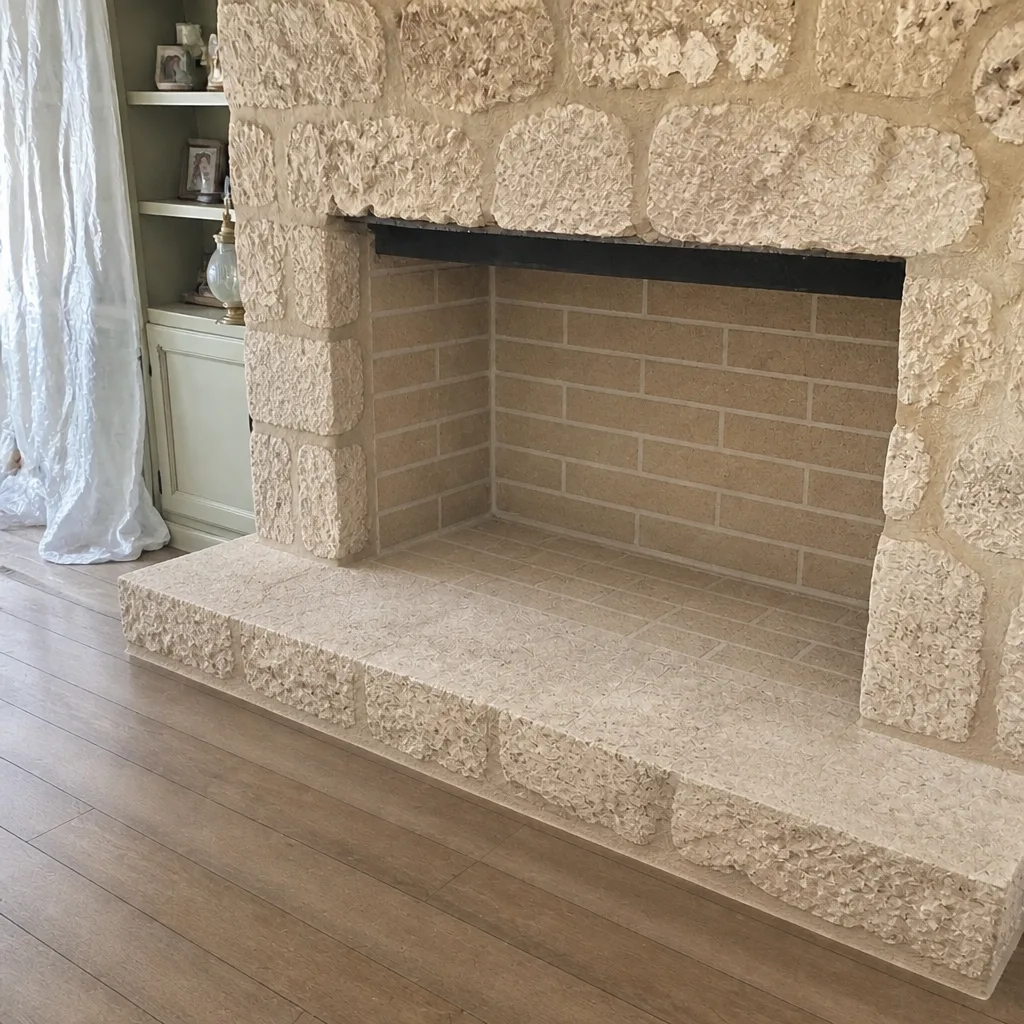
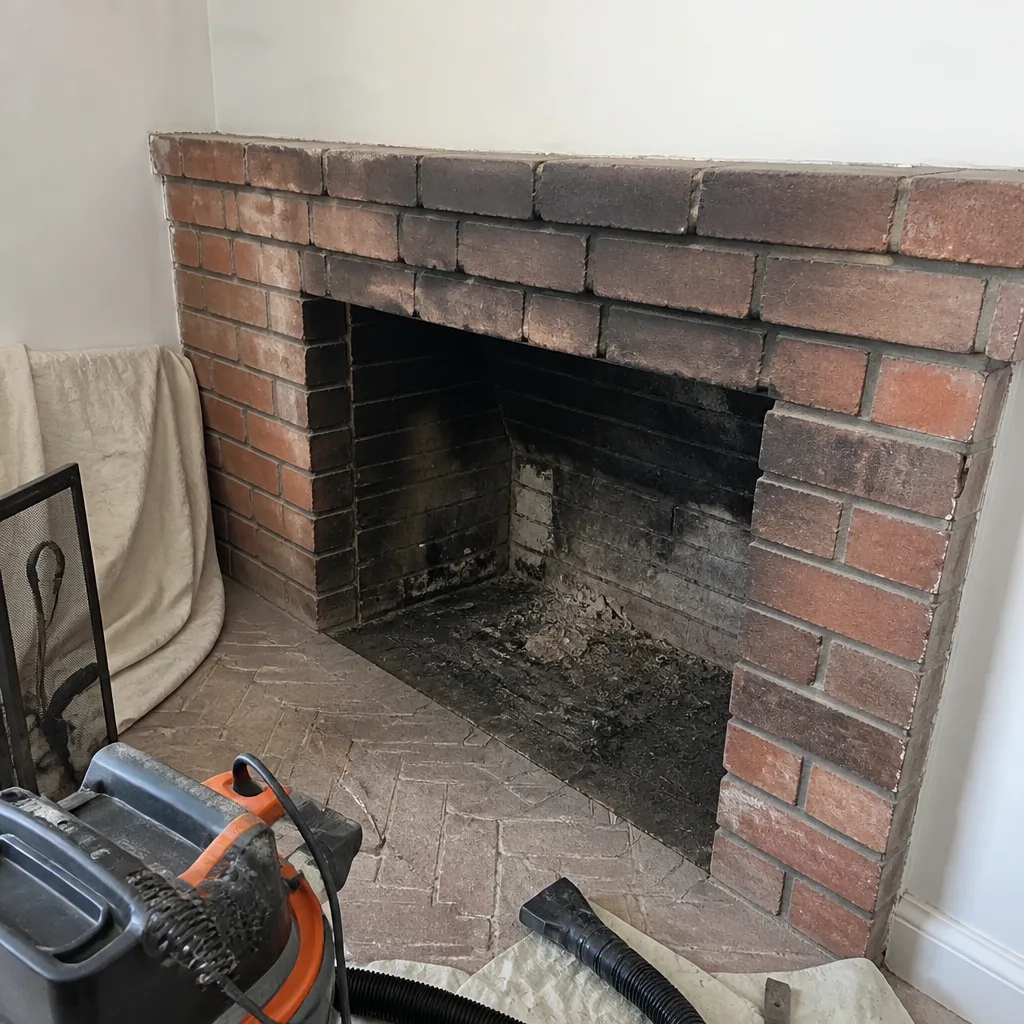
See the difference
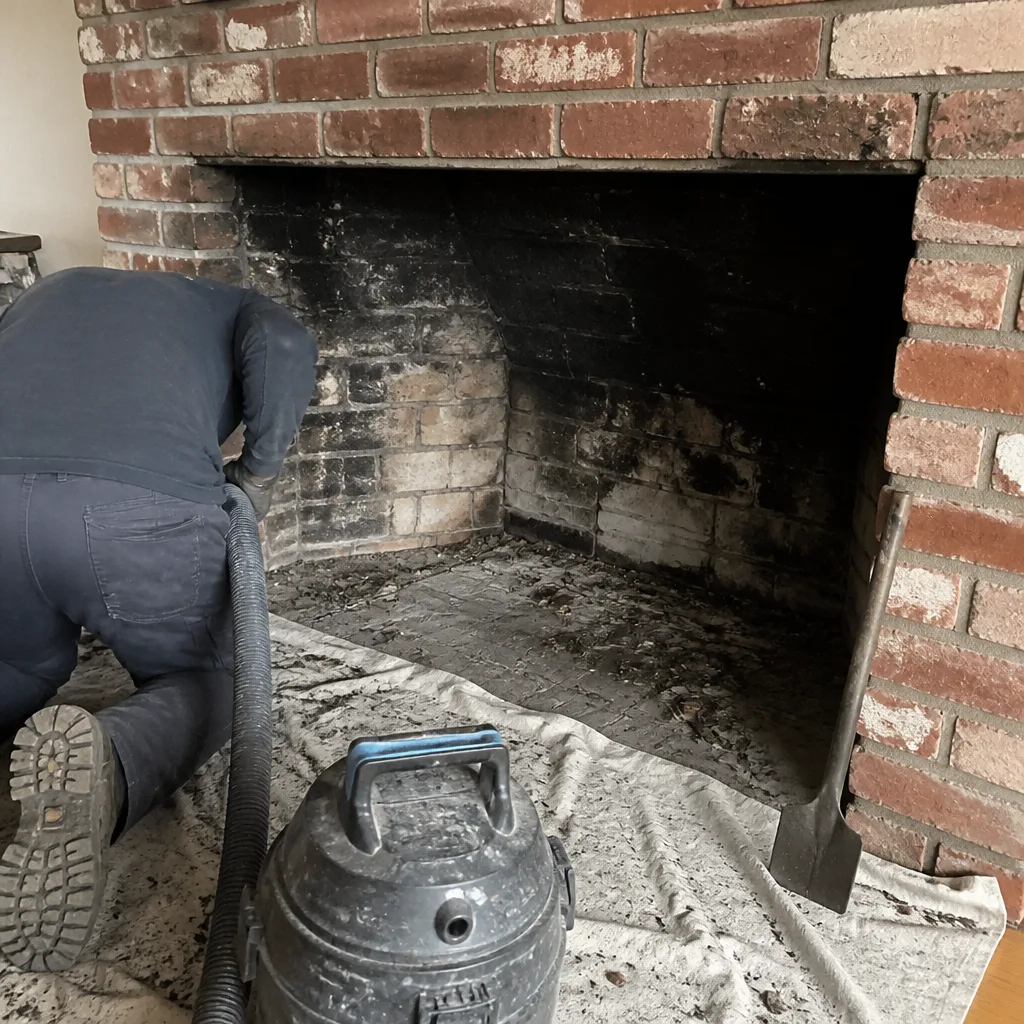 Before
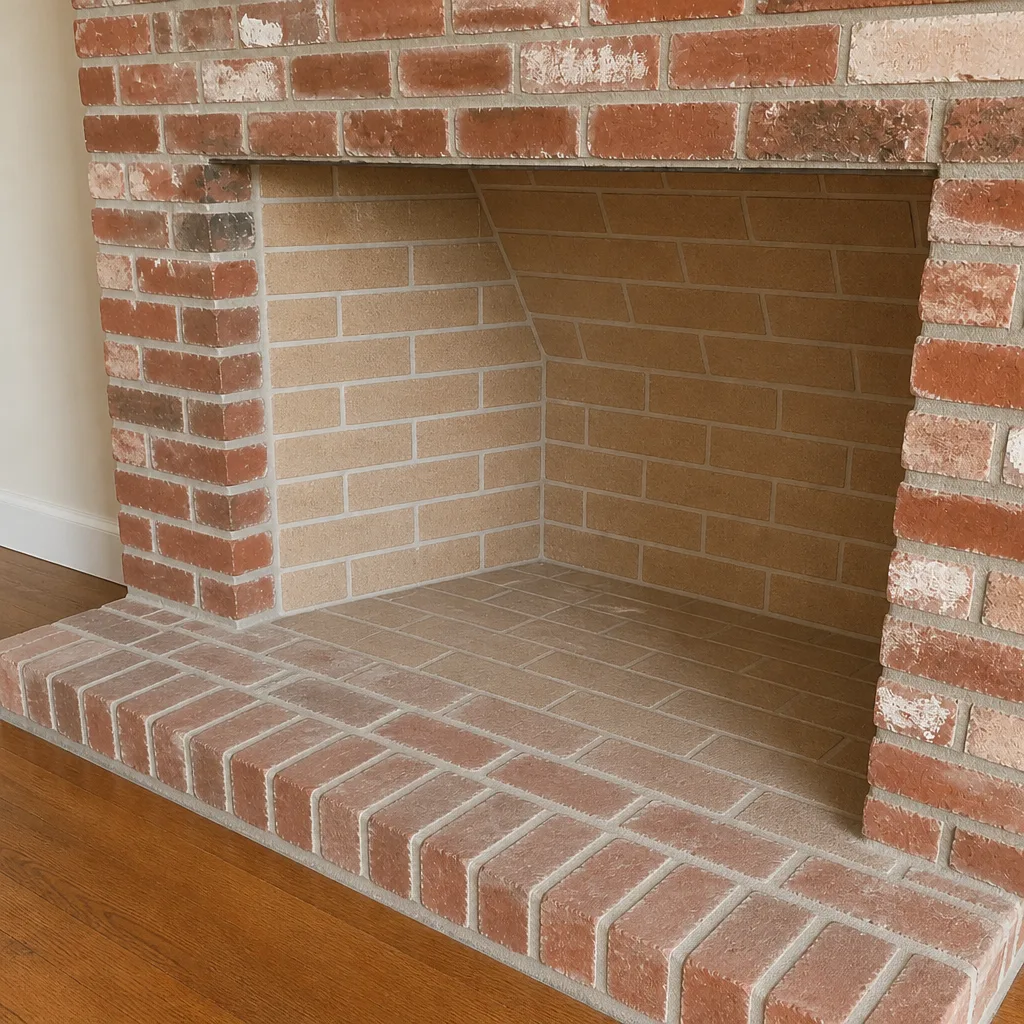 After
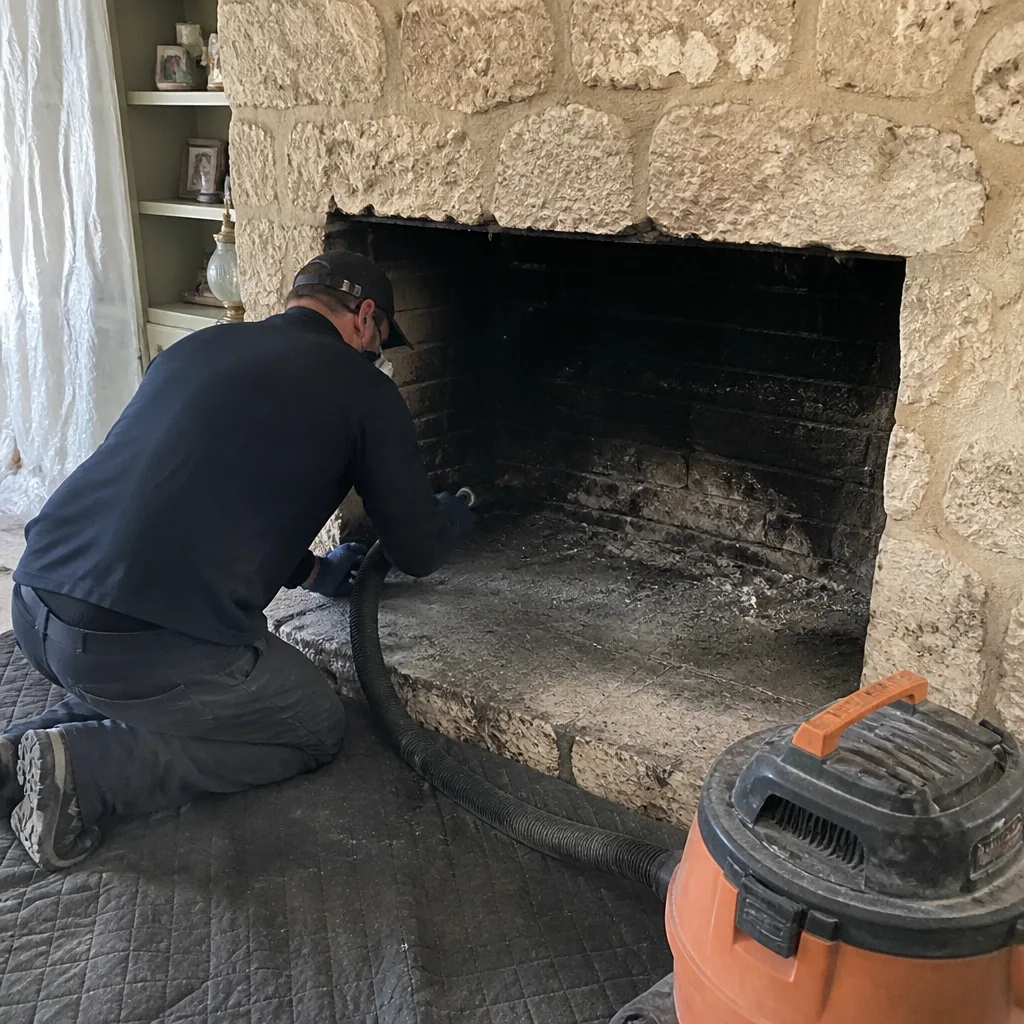 Before
 After
 Before
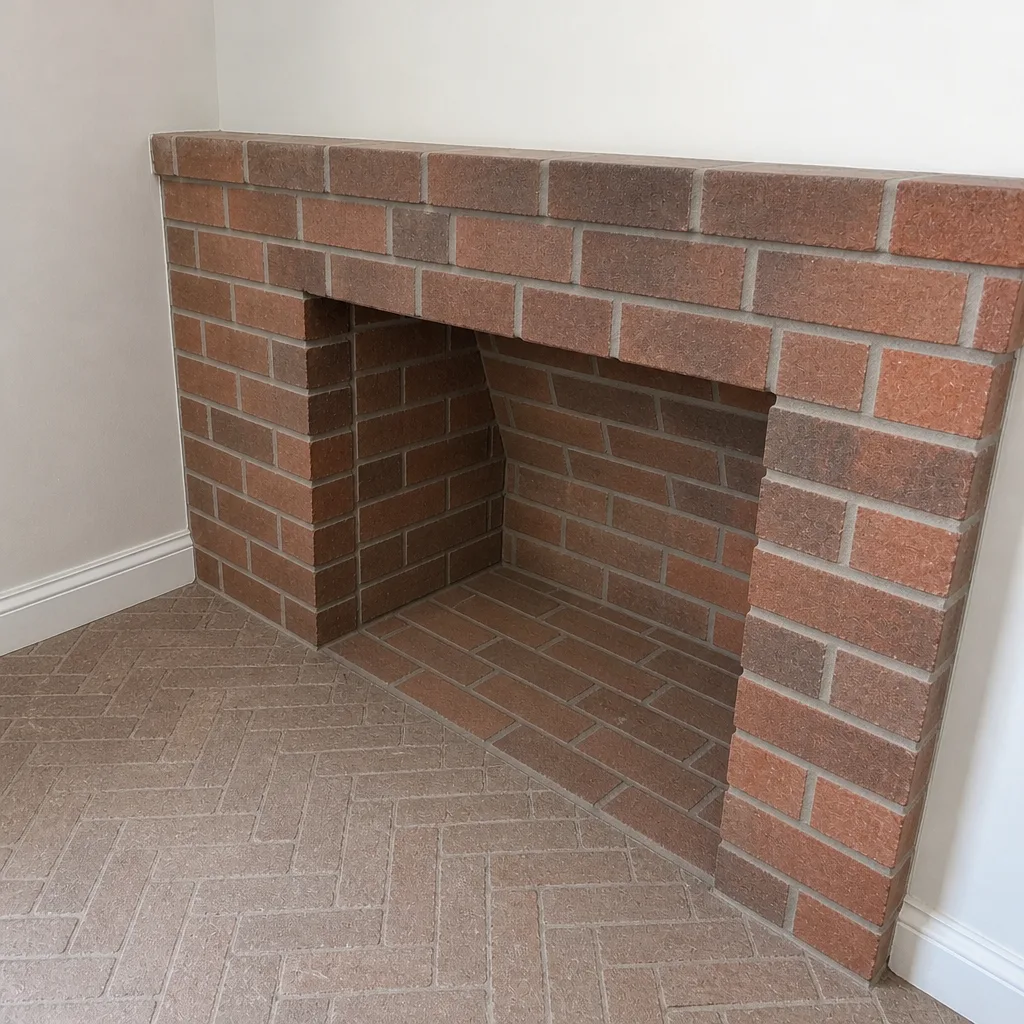 After
When to Call a Professional
Call a professional if you can see glazed black creosote, smell creosote or ammonia in the living room, notice any cracking in the firebox, damper or flue, find efflorescence or oily staining on the exterior chimney, or see evidence of animal intrusion. Call if your chimney has a cracked crown or a missing cap. Call if a fire smokes back into the room consistently. And call if you have just bought a Canoga Park home and don’t know the chimney’s service history, because the inspection tells you where you stand. High-tension chimney work and flue work belong in trained hands, so plan the inspection and let a trained professional deal with anything structural. Chimney Sweep Canoga Park offers free estimates in Canoga Park. Call (844) 443-4582. We answer 24/7. Fast dispatch from 7am to 7pm, Sunday through Friday.
Frequently Asked Questions
The earliest reliable sign is a strong creosote smell in the living room (oily, asphalt-like) that doesn’t clear when the fireplace is unused. Powdery gray soot in the firebox and visible buildup around the damper come next. If you’re seeing glazed black deposits, that’s advanced and needs a professional sweep plus a flue inspection. Call (844) 443-4582 for an exact quote; estimates are free.
Typical chimney sweeping in the Canoga Park area generally runs in the mid-hundreds for a standard single-flue fireplace, and a full inspection with camera work adds to that. Final pricing is set per job by a written estimate after we see the flue, the firebox and the exterior, so nothing is guessed at. Call (844) 443-4582 for an exact quote; estimates are free.
Often you don’t, and that’s the point. Cracked or deteriorated flue tiles can frequently be restored with HeatShield resurfacing rather than a full reline, and for offset or irregular flues, DuraFlex flexible liners solve geometry a rigid liner can’t. A full replacement is the right answer when the tile is beyond saving, and we’ll show you the camera evidence either way. Call (844) 443-4582 for an exact quote; estimates are free.
About once a year for most regularly used wood-burning fireplaces, and more often if you’re burning unseasoned wood or frequently running with the damper partly closed. Pair the sweep with an inspection so you catch structural signals early. Call (844) 443-4582 for an exact quote; estimates are free.
Creosote accumulates. Small cracks in the flue and the crown widen over summer heat and winter wet, and animals find their way in during the off-season. What would have been a straightforward sweep in spring can become a repair project by fall. Call (844) 443-4582 for an exact quote; estimates are free.
An oily, asphalt-like smell is creosote, and warm days can make it more noticeable because the chimney isn’t drafting. It’s a real warning sign and worth a professional inspection. If the smell is organic or ammonia-tinged instead, you likely have an animal, not creosote. Call (844) 443-4582 for an exact quote; estimates are free.
Not yet, but it means water is getting in through the crown, cap or mortar, and that will lead to brick damage if left alone. It’s an early warning, not a verdict. Get the crown and cap inspected and repaired before the next rainy season. Call (844) 443-4582 for an exact quote; estimates are free.
Yes, if the shaking was strong enough that you noticed it, especially for a masonry chimney. Look for a step or offset between brick courses or a color change along a mortar joint. An inspection with a camera is the reliable way to check the flue without guesswork. Call (844) 443-4582 for an exact quote; estimates are free.
The Bottom Line
Chimney problems announce themselves long before they become dangerous. A creosote smell in the living room, glazed black residue in the firebox, efflorescence on the exterior brick, oily staining below the cap, cracking in the flue or firebox: each of these points to a specific underlying cause. The trick is reading them correctly, because cleaning a structural problem doesn’t fix it, and skipping a cleaning that’s actually due doesn’t pause the clock. Our technicians have up to 15 years of experience, and we work with DuraFlex, HeatShield, Olympia Chimney, Gelco, Famco and Copperfield so the fix matches the problem for Canoga Park homes. Inspect, sweep, cap, crown, repair, reline: one team, one visit, and photo evidence you can see.
Contact Us
If you’re seeing any of the warning signs in this guide, call Chimney Sweep Canoga Park at (844) 443-4582 for a free estimate. We answer 24/7. Fast dispatch from 7am to 7pm, Sunday through Friday. We’ll walk the flue with a camera, show you what we find, and tell you what’s actually wrong before recommending anything.
Written by the team at Chimney Sweep Canoga Park.