
Last updated November 22, 2026
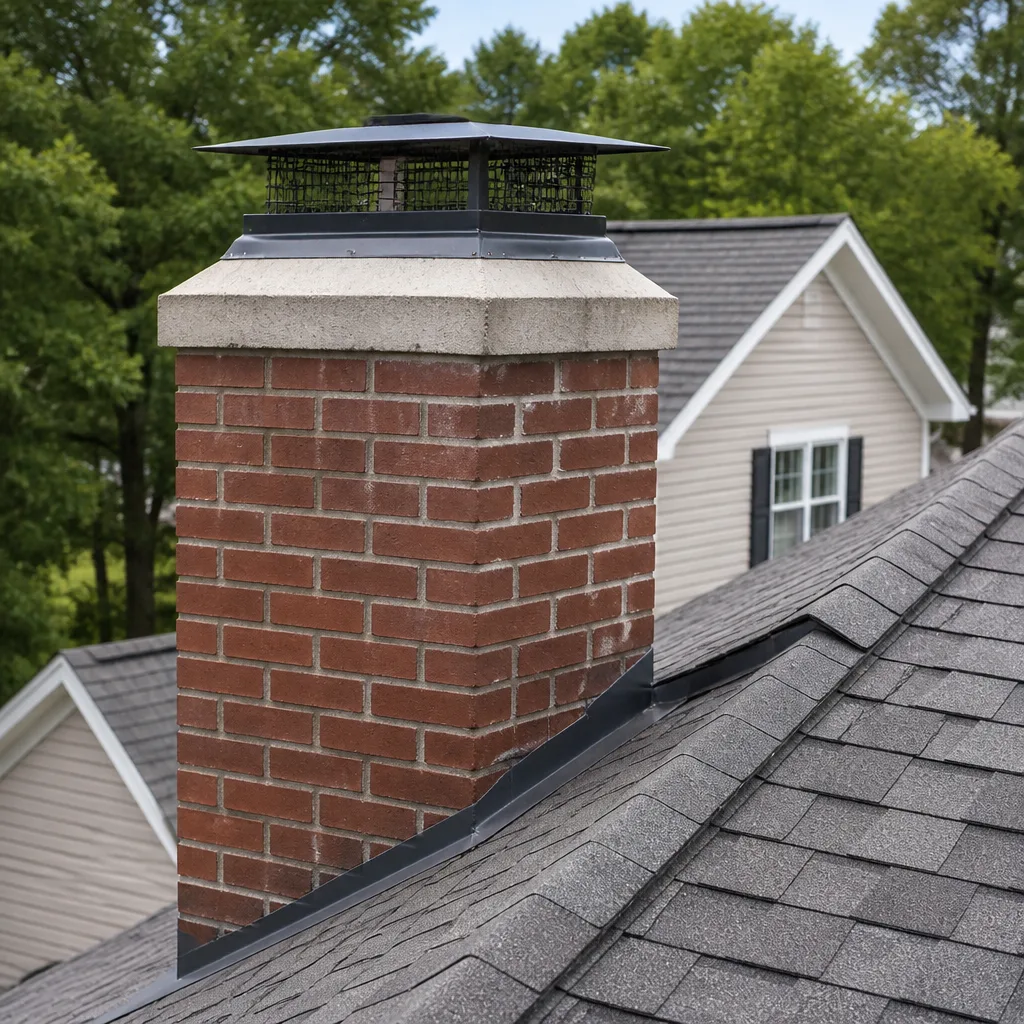 Sweep & inspection
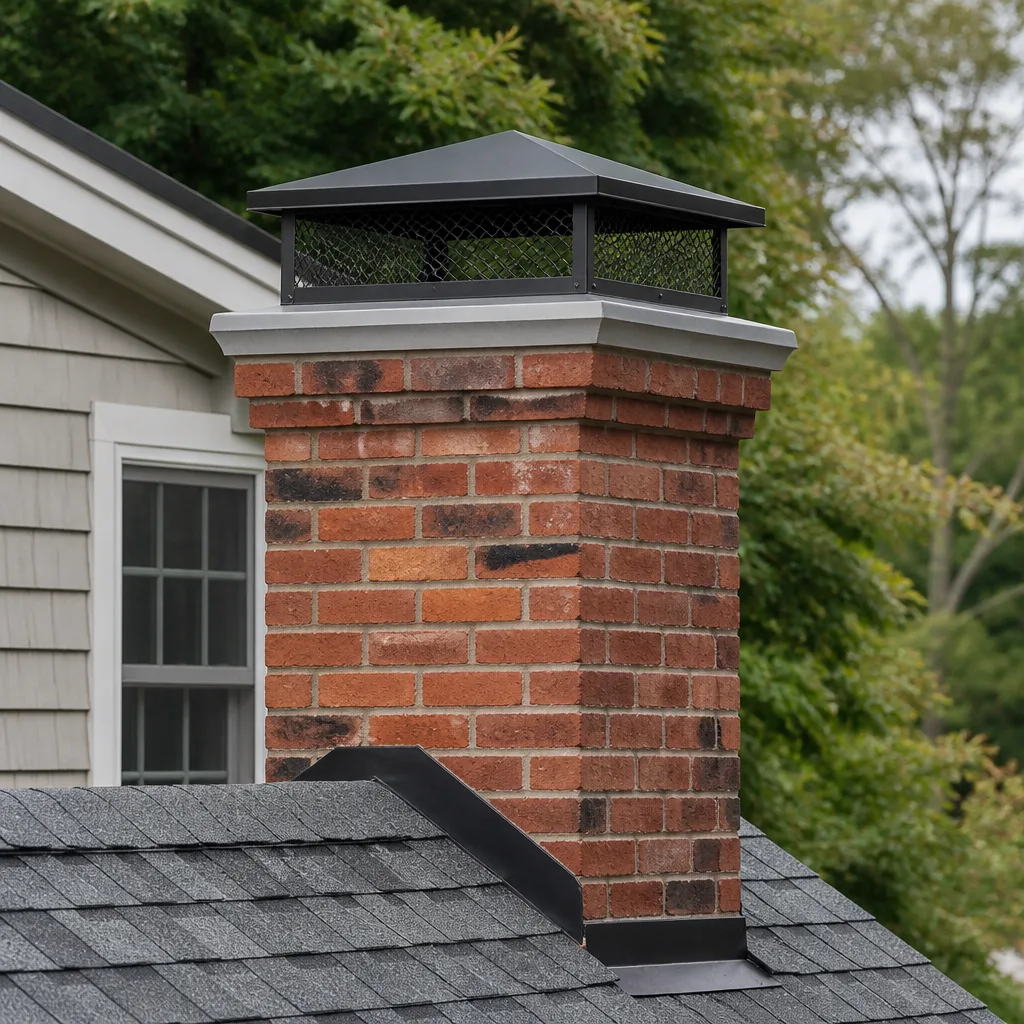 Caps & crowns
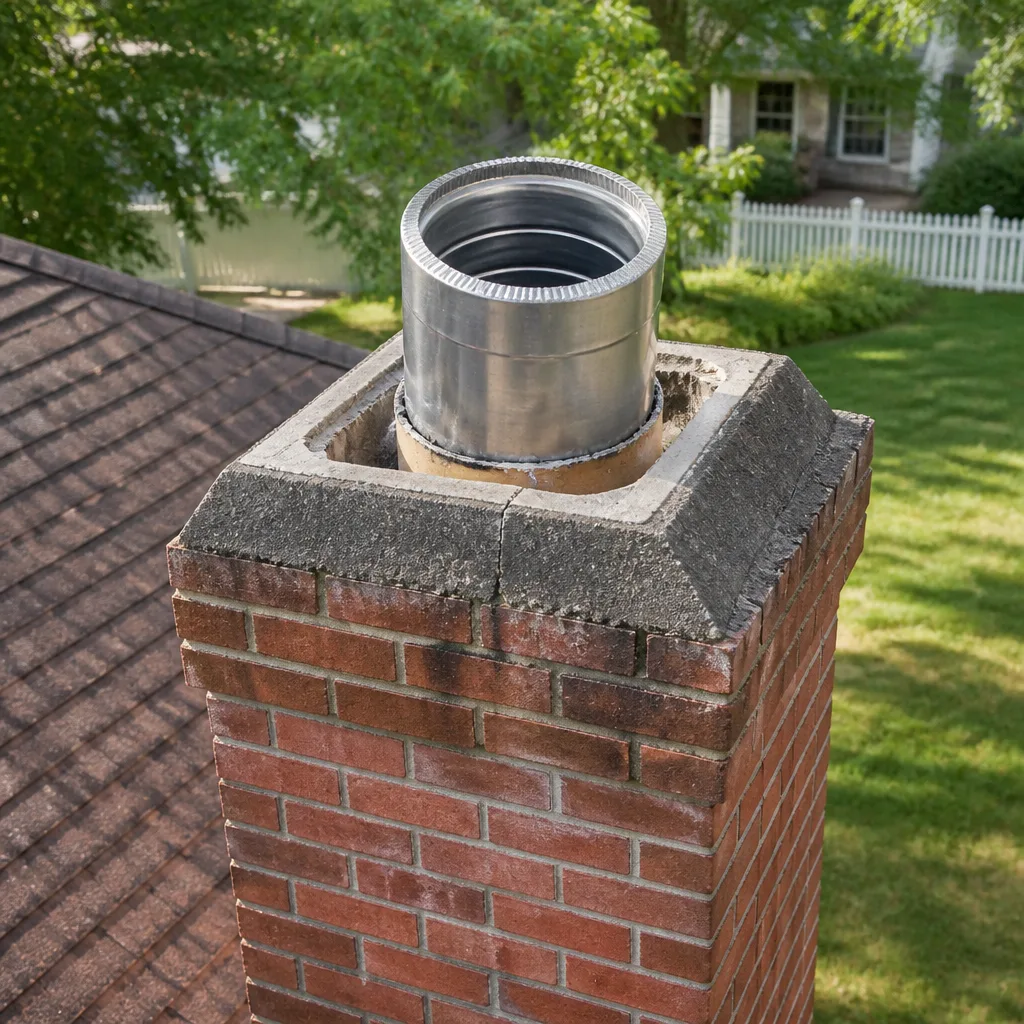 Flue relining
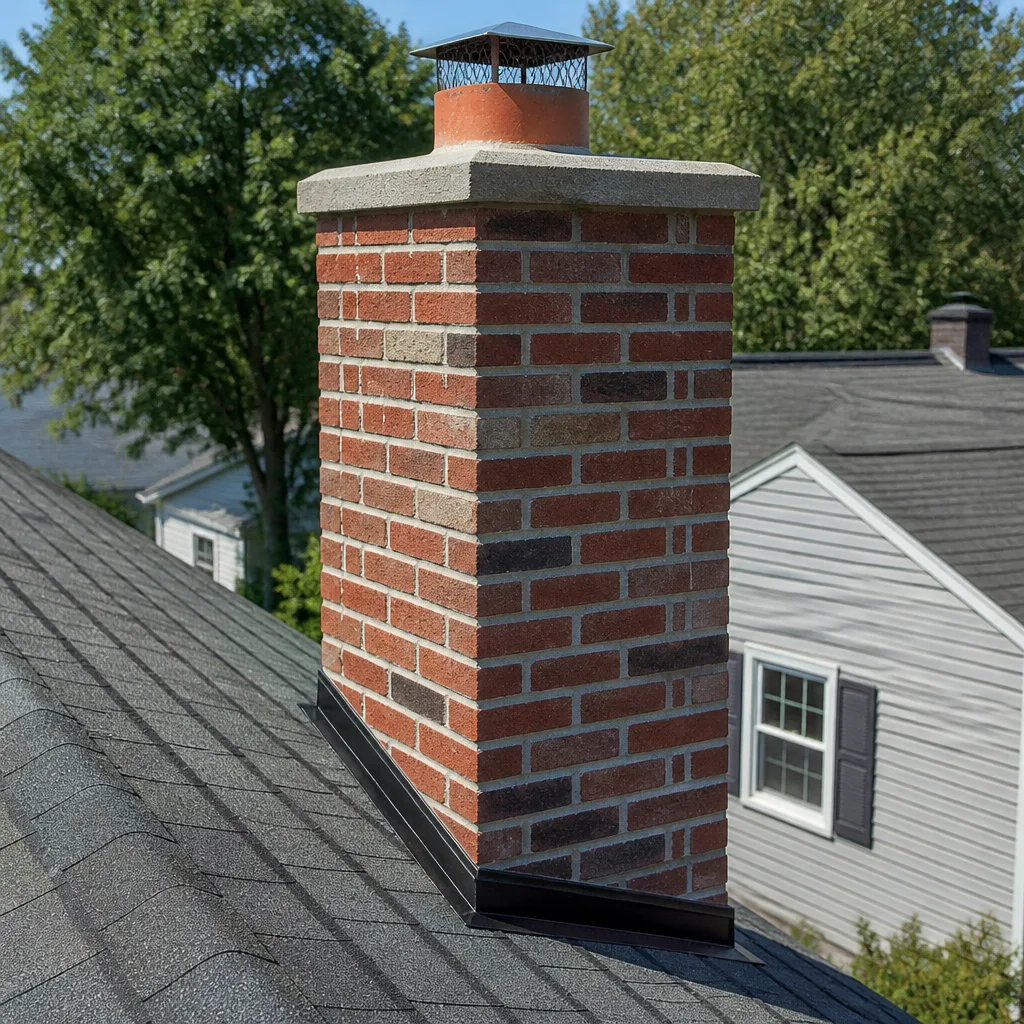 Masonry repair
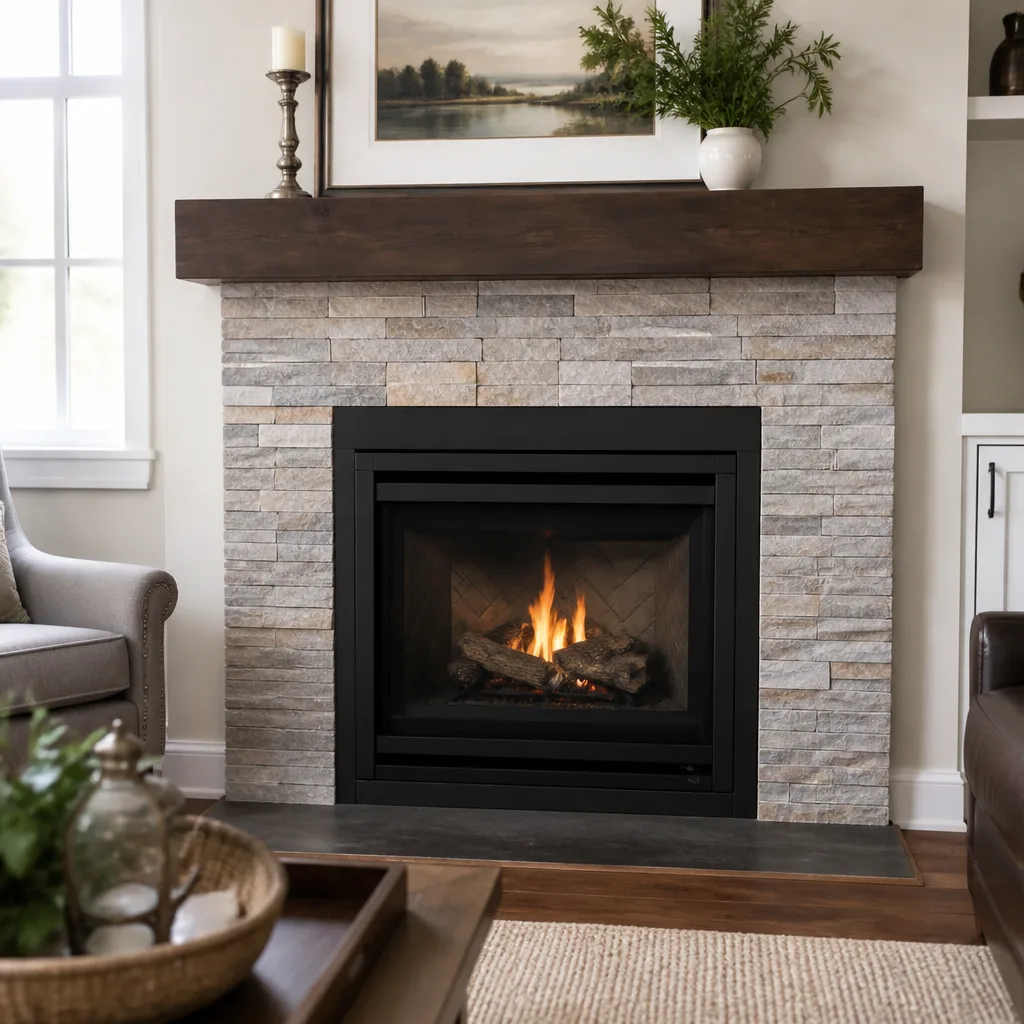 Gas fireplace service
Level 1 sweep and inspection to the NFPA 211 annual standard - flue, crown, cap, and flashing checked and photographed
Chimney sweep logs do not sweep chimneys. They loosen some creosote - which then falls where a brush and vacuum still have to collect it.
Chimney Sweep Maintenance Checklist for Canoga Park Homeowners
Most chimney maintenance checklists you’ll find online were written for places with hard winters. They worry about freeze-thaw cycles splitting mortar and snow load crushing caps. Canoga Park doesn’t have those problems. What we do have is a different set of stresses: long dry seasons, wildfire smoke that drifts down into the Valley, seismic movement that works on masonry joints year after year, and relentless UV that bakes mortar and crowns until they crack. A checklist built for Wisconsin will tell you to look for the wrong things. This guide gives you a checklist built for Canoga Park – what actually fails here, what you can check yourself, and when to call a sweep with a camera.
Quick Answer
A chimney in Canoga Park needs a professional sweep and inspection once a year if you burn regularly, a visual self-check of the cap, crown, and damper several times a year, and a sweep anytime creosote buildup reaches roughly 1/8 inch or you notice smoke backing into the room. The two components that fail first in our local conditions are the chimney crown and the cap – not because of snow or ice, but because of UV exposure, seismic movement, and wildfire ash. Everything below expands on that.
Styles & brands we work with
- Sweep & inspection
- Caps & crowns
- Flue relining
- Masonry repair
- Gas fireplace service
Table of Contents
- Why Canoga Park Chimneys Fail Differently
- Pre-Season Inspection: What Post-Wildfire Smoke Leaves Behind
- How to Check Your Crown and Cap Without Getting on the Roof
- Damper and Smoke Shelf Debris Timeline
- What You Can Legitimately Self-Check vs. What Needs a Camera
- Annual Documentation Checklist for Insurance and Resale
- A Month-by-Month Maintenance Rhythm for Canoga Park
- What Records to Keep and in What Format
- Common Mistakes to Avoid
- When to Call a Professional
- Frequently Asked Questions
Why Canoga Park Chimneys Fail Differently
The standard story about chimney decay is water: rain soaks into masonry, freezes, expands, and cracks it. In Canoga Park, the story runs the other way. Our dry air means mortar rarely gets the sustained moisture it would need to re-cure and self-seal small cracks. Mortar that cures too fast in hot, dry conditions is brittle, and it stays brittle. Add months of direct sun on a south- or west-facing chimney and you get surface spalling on the crown long before you’d see it in a wetter climate.
Then there’s the ground. Canoga Park sits in a seismically active region, and the small movements that come with that – most of them too slight to feel – work on the joints between the crown, the flue tile, and the brick stack. Micro-fractures at these junctions are common. They don’t look dramatic. But a hairline crack at the crown-to-flue joint lets water into the flue in the wet months and lets heat escape into the masonry year-round.
Wildfire smoke is the third factor, and the one most checklists ignore entirely. When fires burn in the surrounding hills, smoke and ash settle on roofs and drift into chimney openings. Ash is mildly acidic, and it’s abrasive. Left on the smoke shelf and damper, it combines with normal creosote to form a crust that’s harder to remove than creosote alone and more likely to hold moisture against metal parts.
Put those three together and the priority list for a Canoga Park chimney looks like this:
- Crown and cap integrity – UV and seismic cracking, not frost damage
- Smoke shelf and damper – ash from wildfire season plus creosote
- Flue liner surface – checking for spalling and compromised tile joints
- Mortar joints on the stack – brittleness from dry curing and sun exposure
- Spark arrestor and cap screen – clogged by ash and debris
If you want to understand what a full inspection covers before you read the checklist, our Chimney Sweep Canoga Park page lays out the service from firebox to cap. The checklist below is the homeowner’s side of the same job.
Pre-Season Inspection: What Post-Wildfire Smoke Leaves Behind
Before you light the first fire of the season, look at what the summer left behind. In a heavy fire year, smoke doesn’t just pass over Canoga Park – it settles. Fine ash finds its way onto roofs, into cap screens, and down into the smoke chamber of any chimney that isn’t capped tightly. A pre-season check is about clearing that material before it gets baked onto the flue by the first hot fires.
Here’s the order we work through for a pre-season look:
- Check the cap screen from the ground with binoculars. Ash and debris clog the mesh. A clogged screen restricts draft and can push smoke back into the room.
- Look at the top of the stack for ash staining. Dark streaks running down the brick below the cap suggest smoke and ash have been sitting against the masonry.
- Open the damper and look up with a flashlight. You’re checking for visible ash on the smoke shelf and for any shiny, glazed creosote on the flue walls. Glazed creosote is a fire risk and needs professional removal.
- Smell the firebox when the house is closed up. A strong smoky smell on a warm day means the flue is pulling air backward, usually because the smoke chamber is loaded with debris.
- Check the firebox for ash buildup. A layer of ash an inch or two deep is normal and even helpful for starting fires; deeper than that and airflow to the fire suffers.
What you’re really looking for is anything that suggests the liner surface has been compromised. Post-wildfire ash combined with normal creosote can pit the surface of clay flue tile. Pitted tile chips more easily, and chipped tile means gaps where heat can reach the framing. We inspect before we sweep – here’s what we’re looking for and why it matters: the camera tells us whether the flue surface is sound or whether a HeatShield resurfacing is the right call before the burning season starts.
If your chimney hasn’t been looked at since the last fire season, a pre-season chimney sweep clears the ash layer and gives an inspector a clean surface to evaluate. That’s the sequence that makes sense – sweep first, then inspect – and it’s the one we follow.
How to Check Your Crown and Cap Without Getting on the Roof
You don’t need to climb a ladder to know whether your crown and cap are in trouble. The crown is the concrete or mortar slab at the top of the stack that sheds water away from the flue. The cap sits above the flue opening to keep rain, animals, and debris out. Both take the brunt of local UV exposure, and both show their problems from the ground if you know what to look for.
Stand back from the house – across the street or from the far end of the yard – and use binoculars. Check these things in order:
- Cracks in the crown. Hairline cracks radiating from the flue are the first sign. Wider cracks, or cracks that run all the way across the crown, mean water is getting into the masonry below.
- Crumbling or flaking edges. UV degradation shows as spalling – the surface of the crown flakes off in thin layers. If the edge of the crown is ragged, it’s already past its best.
- Separation at the flue joint. Look for a visible gap where the flue tile meets the crown. This is where seismic micro-movement shows up first.
- Rust streaks on the cap. Streaks running down from the cap mean the metal is corroding. Rust weakens the fasteners that hold the cap on.
- Sagging or tilted cap. A cap that doesn’t sit level has lost a fastener or been moved by wind or ground movement.
- Missing or bent screening. Damaged mesh means birds and debris get in.
- Vegetation growing from joints. Anything green growing out of the masonry means there’s moisture and a seed source – and the root is widening the crack.
If any of those show up, that’s a professional repair. Crowns and caps matter more than most homeowners realize – a compromised crown is the single most common path for water into a chimney structure, and water is what turns a small repair into a rebuild. Our chimney cap & crown work is built around matching the right cap to the flue size and roofline; we source from Gelco, Famco, and Copperfield so there’s a fit for nearly any stack. What you should never do is climb up and try to patch a crown yourself. Roof work plus wet mortar plus a steep pitch is a bad combination, and a patch that fails in the first rain makes the underlying damage worse.
Damper and Smoke Shelf Debris Timeline
A household that burns 10 to 15 fires a season – a reasonable average for a Canoga Park home that uses its fireplace as a secondary heat source in the cooler months – accumulates creosote and debris on a predictable schedule. Knowing that schedule tells you when to look, and when to book a sweep. It also tells you why “once a year whether you need it or not” isn’t quite the right rule here.
| Fires Burned | What to Expect on the Smoke Shelf and Damper | Recommended Action |
|---|---|---|
| 1-5 fires | Light ash film, minimal creosote | Visual check with flashlight |
| 5-10 fires | Visible ash layer, thin creosote film on flue walls | Visual check; brush if creosote is visible |
| 10-15 fires | Noticeable ash accumulation on smoke shelf; creosote starting to build | Annual sweep before the next season |
| 15-25 fires | Heavier creosote; damper may start sticking | Sweep plus inspection with camera |
| 25+ fires or any glazed creosote | Glazed, hardened creosote; potential damper obstruction | Sweep and inspection; liner evaluation |
A few things push that schedule faster. Burning unseasoned or “green” wood generates far more creosote per fire than dry, well-seasoned hardwood. Burning paper or trash in the fireplace produces fly ash that coats the smoke shelf in one or two fires. And a heavy wildfire season adds ash that has nothing to do with your own burning. A household that burns 10 fires but lives through a bad smoke summer may still be due for a sweep.
The smoke shelf is the flat ledge behind the damper. It’s the hardest place in the firebox to reach, and it’s where debris collects. When it’s loaded up, you get smoke spillage into the room when you light a fire, and a damper that doesn’t open smoothly. If your damper sticks or you’re getting smoke in the room, that’s a sign to have it looked at, not a sign to force it.
What You Can Legitimately Self-Check vs. What Needs a Camera
Homeowners ask us all the time whether they can just look up the chimney themselves and skip the sweep. The honest answer is: some of it, yes. A visual check from the firebox tells you whether it’s time to call. But there are things no flashlight can show you, and those are exactly the things that matter most.
What you can legitimately check yourself
- Whether the damper opens and closes freely
- Whether there’s visible ash or creosote on the smoke shelf (flashlight from the firebox)
- Whether smoke backs into the room when you light a test fire
- Whether the cap and crown look sound from the ground with binoculars
- Whether the firebox brick and mortar show visible cracks at eye level
- Whether there’s a smoky smell in the house on warm days
What needs a professional with camera equipment
- The condition of the flue liner above the first few feet
- Whether flue tile joints are open or offset
- Whether there’s hidden creosote above the smoke chamber
- Whether the smoke shelf has structural damage
- Whether the crown-to-flue joint is open (binoculars show the visible crack, not its depth)
- Whether a past repair was done correctly
- Whether the flue is sized correctly for the appliance
Notice the pattern. Everything the homeowner can check is about “is there a problem?” Everything the professional checks is about “what kind of problem, how deep, and what’s the right fix?” A camera inspection is the difference between “the flue looks okay from the bottom” and “the flue is sound to the cap.” If you’ve been told by another contractor that something needs attention, a camera inspection with photos you can actually look at is how you verify it. We tell homeowners what’s actually wrong before recommending anything, and we show the evidence.
One safety note that matters more than any checklist item: never put a brush, a mirror, or any tool up the flue while the fireplace has been in use. Creosote is flammable, and a hot flue plus a knocked-loose chunk of creosote is a chimney fire waiting to happen. Wait until the chimney is fully cold, and leave the actual cleaning to a trained professional. The same goes for the roof – one slip on a pitched roof costs more than a sweep.
Annual Documentation Checklist for Insurance and Resale
If you ever sell your Canoga Park home, or if you ever need to file an insurance claim related to the fireplace or chimney, the paperwork is what saves you. Insurers increasingly want to see evidence of regular maintenance when a chimney-related claim comes up. Buyers and their inspectors want to see that the chimney has been looked after. And in a market where homes change hands often, a clean paper trail makes the difference between “the chimney is fine” and “the buyer wants $8,000 off because the chimney might need work.”
Here’s what to keep from each annual sweep and inspection:
- Dated service record – who did the work, what date, what was done. A written receipt is fine; a formal report is better.
- Camera inspection photos – before and after the sweep, including the flue liner, smoke shelf, and crown.
- Findings and recommendations – in plain language. “Flue liner sound” is what you want on the record.
- Any repair invoices – liner work, cap install, crown repair. Keep these with the sweep records.
- Photos of any damage found – if something needed repair, keep the “before” photos showing what it looked like.
- Warranty or product documentation – if a DuraFlex liner system or a new cap was installed, keep the product paperwork.
- The sweep’s contact information – so a future buyer can call and confirm.
Keep it all in one folder – physical or digital, doesn’t matter, as long as it’s together. A three-ring binder in the hall closet works. So does a folder in your cloud storage. What matters is that when the question comes up, you can put your hands on the answer in a minute rather than a day.
If the chimney has ever had fireplace repair work done – a rebuilt firebox, a new damper, a relined flue – the paperwork for that should live in the same folder. That’s the documentation that tells a buyer the owner maintained the house properly. It’s also the documentation that tells an insurer the loss wasn’t caused by neglect.
A Month-by-Month Maintenance Rhythm for Canoga Park
Chimney maintenance in Canoga Park runs on the calendar more than most homeowners expect. The burning season here is shorter than in cold climates, but the off-season is where most of the damage happens – because that’s when the sun, the seismic movement, and the wildfire ash do their work. Here’s how we’d lay out the year.
Spring (April-May) – Post-Season Assessment
After the last fire of the season, do a cool-season check: look up the flue with a flashlight, check for smoke smell in the house, and look at the cap and crown with binoculars. This is the best time to book a professional inspection, because the sweep can also document the condition going into summer. If repairs are needed – a crown patch, a cap replacement – doing them now means the chimney is sound before the next fire season, and the repair has time to cure properly in dry weather.
Summer (June-August) – The UV Window
This is when UV exposure peaks. The crown takes the most sun, the cap metal expands and contracts daily with temperature swings, and any hairline crack gets a little wider. A mid-summer binocular check catches crown and cap problems before they become expensive. Summer is also the best time for liner work – if the flue needs HeatShield resurfacing or a DuraFlex reline, there’s no pressure from an upcoming fire, and offset flues can be worked on without the risk of cold-weather cracking.
Fall (September-October) – Pre-Season Prep
Before the first fire, this is the window for the annual sweep and inspection. Ash from the summer accumulates on the smoke shelf; creosote from last season sits on the flue walls. A sweep clears both. If the inspection finds the flue needs resurfacing or the liner needs attention, there’s still time before the burning season really starts. This is also the time to check the damper, replace the cap screen if it’s clogged, and confirm the crown is intact.
Winter (November-March) – The Burning Season
During the season, the self-checks are simple: look up the flue after each fire if you’re concerned, watch for smoke spillage, and check that the damper still operates smoothly. If you notice a strong smoky smell or smoke backing into the room, stop using the fireplace and have it inspected. Don’t wait for the season to end.
What Records to Keep and in What Format
Records are the part of chimney maintenance that nobody enjoys, but they matter more than most homeowners realize – especially with the number of Canoga Park homes that change hands. A chimney that’s been documented annually is a chimney that a buyer’s inspector can evaluate quickly. A chimney with no records is a question mark, and questions get priced into the sale.
The right format is simple: one folder, one place, one copy.
- Paper copy in a labeled folder or binder – “Chimney Maintenance – Canoga Park”
- Digital copy in a cloud folder – scan or photograph each paper record so it’s backed up
- Photos from each inspection, named by date
- A one-page summary at the front of the folder: year, sweep date, inspector, key findings
When you sell, you hand a buyer the summary and the folder. When you file an insurance claim, you send the relevant year’s records. When a contractor says “this needs a reline,” you check the last inspection report – if the flue was documented as sound a year ago, that conversation starts very differently.
If you’re not sure what records you have, a fresh inspection is the way to start the paper trail from this point forward. Call us and we’ll do the inspection, hand you the report with photos, and you’ll have a dated baseline going forward.
Common Mistakes to Avoid
Most of the chimney problems we see in Canoga Park trace back to one of these mistakes. Each one is easy to make, and each one is expensive to fix once it has gone on for a season or two.
- Using a checklist written for a cold climate. A guide that tells you to look for freeze-thaw damage and snow load is pointing you at problems that don’t exist here, while ignoring the UV cracking and seismic joint movement that do. Get a checklist built for the local conditions.
- Ignoring the crown because it “looks okay” from the ground. Hairline cracks in a Canoga Park crown are easy to miss from 40 feet away. Binoculars or a camera inspection are the only way to know for sure. A crack that’s “not visible” today gets wider with every temperature swing.
- Burning unseasoned wood to save money. Green wood puts far more creosote up the flue per fire than seasoned hardwood, and that creosote is the fuel a chimney fire needs. The cheap wood costs more in the long run.
- Skipping the sweep because the fireplace “seems fine.” A chimney can hold a substantial creosote load and still draw perfectly. The problem only shows up as a fire – which is the point at which it’s no longer a mild problem.
- Letting another contractor talk you into work without evidence. If someone tells you the flue needs a full reline, ask to see the camera photos. If they can’t or won’t show them, get a second opinion. Nothing here should be recommended without camera evidence you can see yourself.
- Climbing up to patch the cap or crown yourself. It’s a roof job. A fall is worse than the repair bill, and a DIY patch that fails in the first rain lets water into the stack – which is the start of much bigger structural damage.
- Keeping no records. A homeowner in Canoga Park with five years of documented annual sweeps has a chimney that’s easy to sell. A homeowner with no records has a chimney that’s a bargaining chip against them.
When to Call a Professional
Some things you check. Some things you call about. Call a professional if you see any of the following: creosote that’s shiny or glazed on the flue walls (that’s the fire-risk grade); smoke backing into the room when the fire is burning; a strong smoky smell in the house on a warm day; a damper that sticks or won’t open fully; visible cracks in the firebox brick or mortar; a cap or crown that’s visibly cracked, sagging, or missing fasteners; water stains on the ceiling or wall near the chimney; or it’s been more than a year since your last sweep and you burn regularly. If another contractor has told you that liner or masonry work is needed, call before you sign anything – a camera inspection with photos you can see for yourself is the way to know which recommendations are real and which can safely wait.
Chimney Sweep Canoga Park offers free estimates in Canoga Park – call (844) 443-4582. We answer 24/7. Fast dispatch from 7am to 7pm, Sunday through Friday.
Frequently Asked Questions
A regular-burning household in Canoga Park should be swept once a year, before the burning season. If you burn 10 to 15 fires a season, one annual sweep is right. If you burn heavily – say 25 fires or more – or you’ve burned through a heavy wildfire season with lots of ash fall, you may want a mid-season look as well. Call (844) 443-4582 for an exact quote – estimates are free.
The creosote layer thickens, the smoke shelf loads up with ash, and the crown and cap keep deteriorating without being noticed. None of that announces itself – the fireplace draws fine and there’s no obvious symptom. What eventually happens is a chimney fire or a liner failure, and by then the repair is much larger than a sweep. A skipped year is cheap; the repair after three skipped years isn’t. Call (844) 443-4582 to schedule a sweep before the next season.
You need a new liner if the camera shows the existing flue is spalled, cracked, or has open joints – and you should never be told this without seeing the photos. If the flue is sound, you don’t need a liner. HeatShield resurfacing can restore a deteriorated flue without a full reline in many cases, and DuraFlex flexible liners handle offset flues that rigid systems can’t. If a contractor tells you a liner is needed and won’t show you evidence, get a second look. Call (844) 443-4582 – estimates are free and the camera report is yours to keep.
You can and should check what you can reach – the damper, the smoke shelf with a flashlight, the cap and crown from the ground with binoculars, the firebox at eye level. What you can’t check yourself is the flue liner above the first few feet, the depth of a crown crack, or whether the smoke shelf has structural damage. Those need a camera. The honest split is: self-check to know when to call; call for the camera inspection to know what’s actually wrong.
A sweep cleans – it brushes the flue, clears the smoke shelf, and removes ash and creosote. An inspection evaluates – it uses a camera to examine the flue liner, crown, cap, damper, and firebox, and reports what’s sound and what needs work. Most visits do both, in that order: sweep first, then inspect, because a clean flue is the only one you can inspect properly. Our camera inspection comes with photos you keep, and nothing gets recommended without evidence you’ve seen.
Call a professional – don’t climb up. A cracked crown or a loose cap lets water into the masonry, and water is what turns a small repair into a structural rebuild. The fix depends on the severity: a small crack may take a sealant; a crumbling crown needs to be rebuilt; a damaged cap usually gets replaced, and we carry caps from Gelco, Famco, and Copperfield so there’s a fit for your flue and roofline. Call (844) 443-4582 – estimates are free.
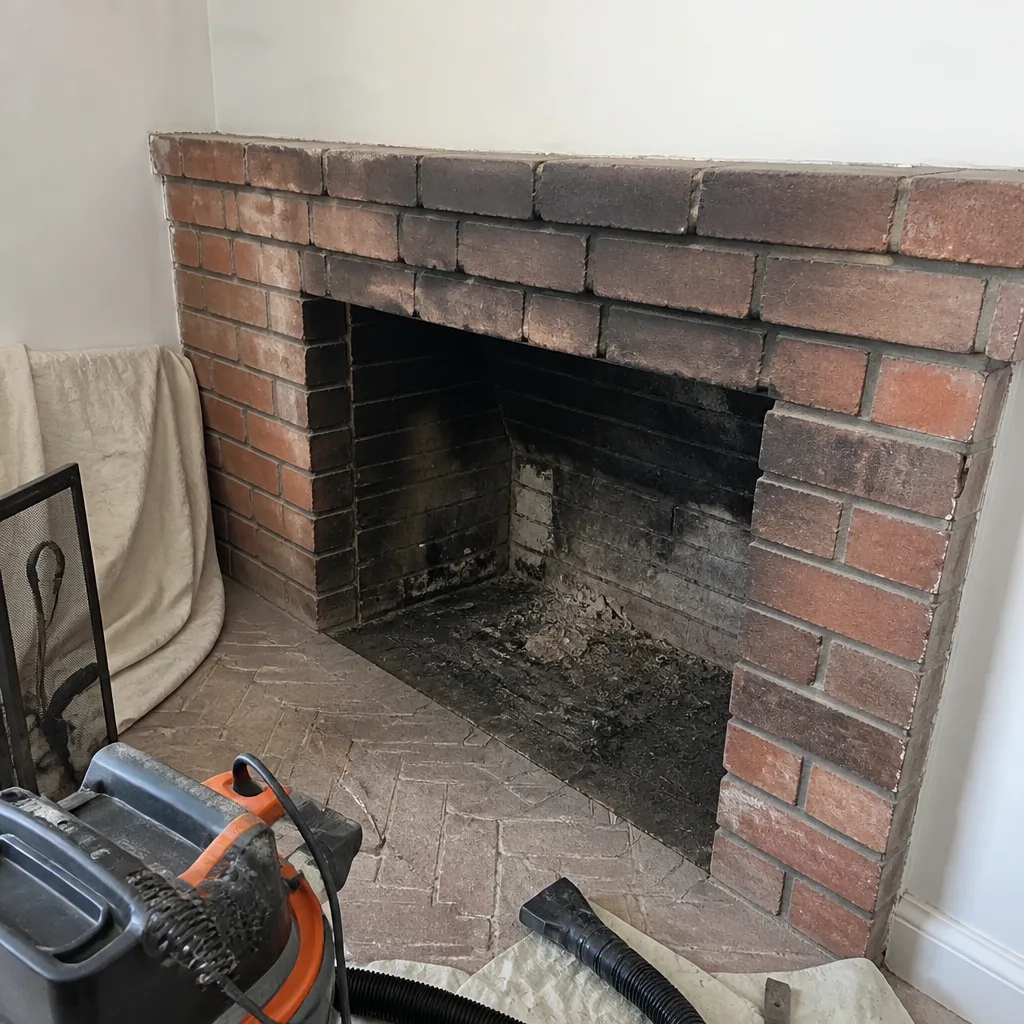
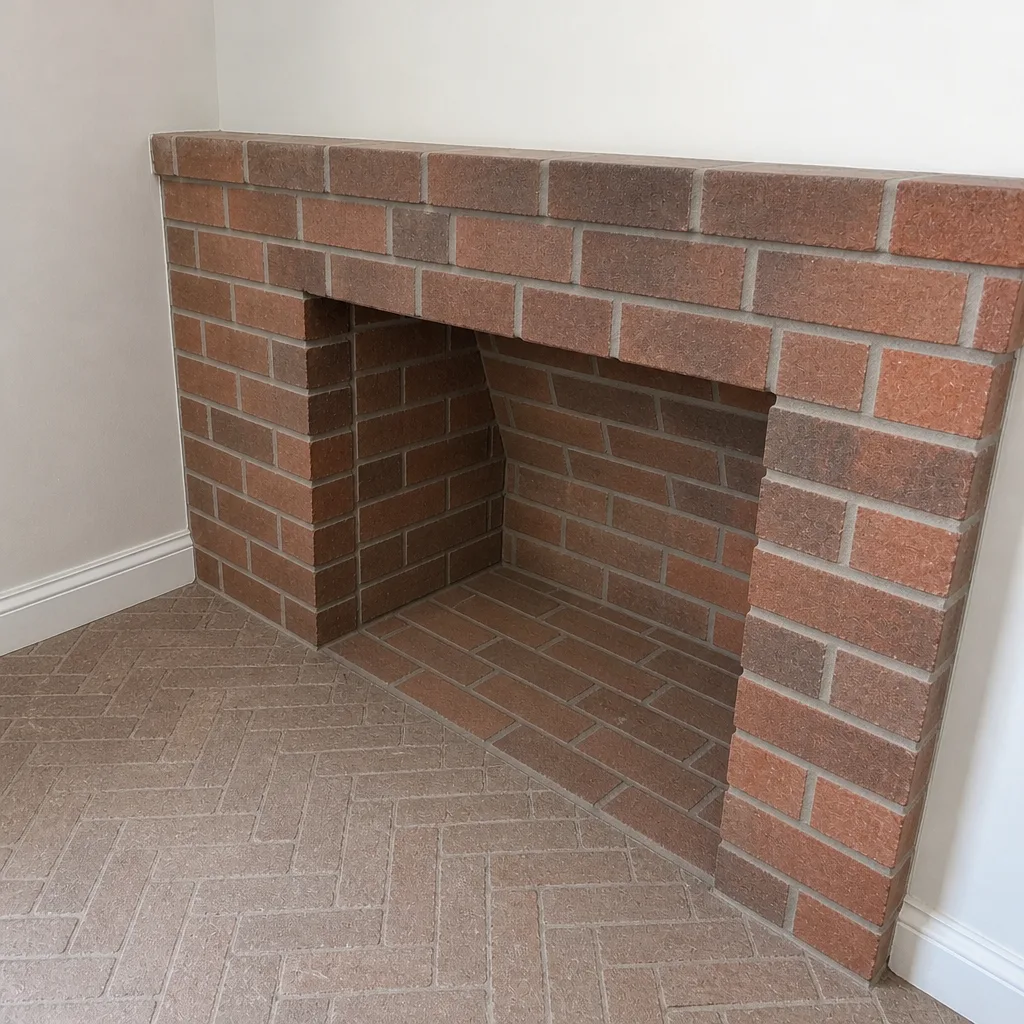
See the difference
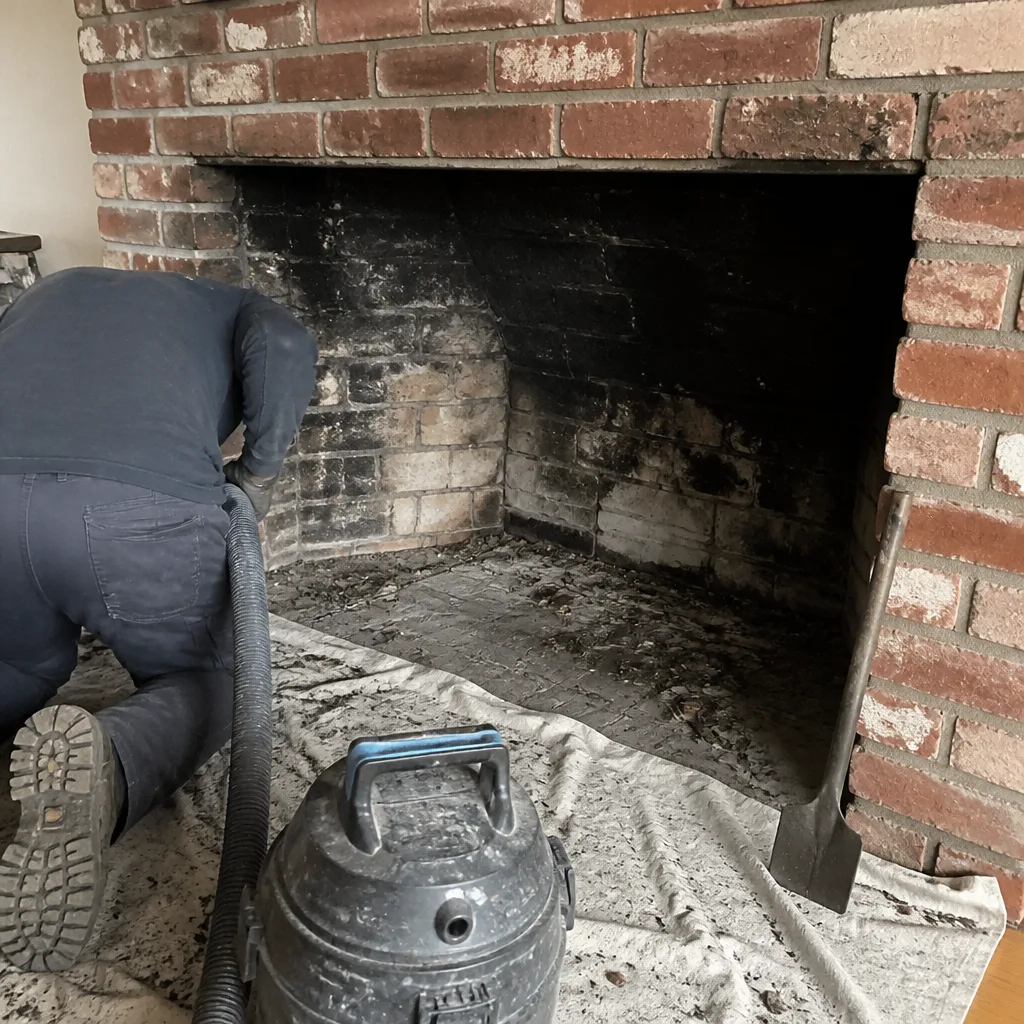 Before
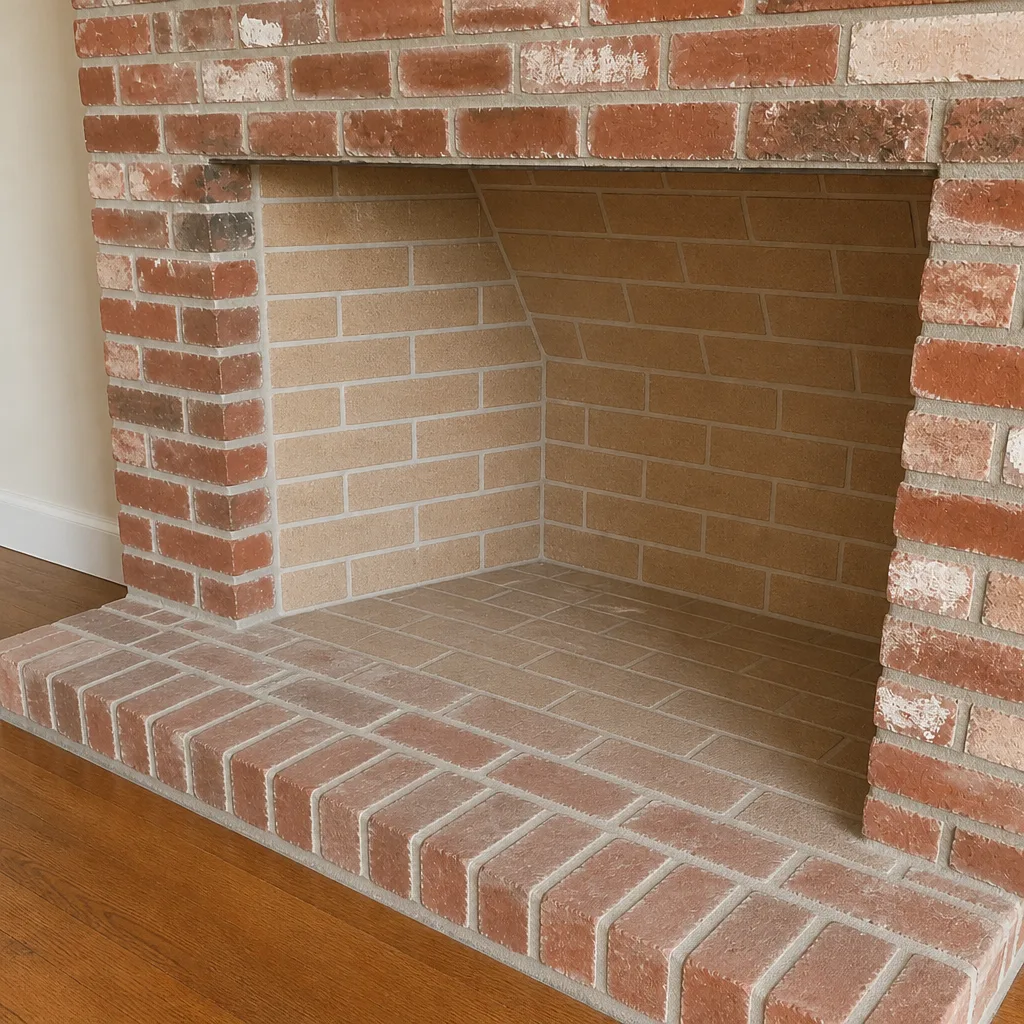 After
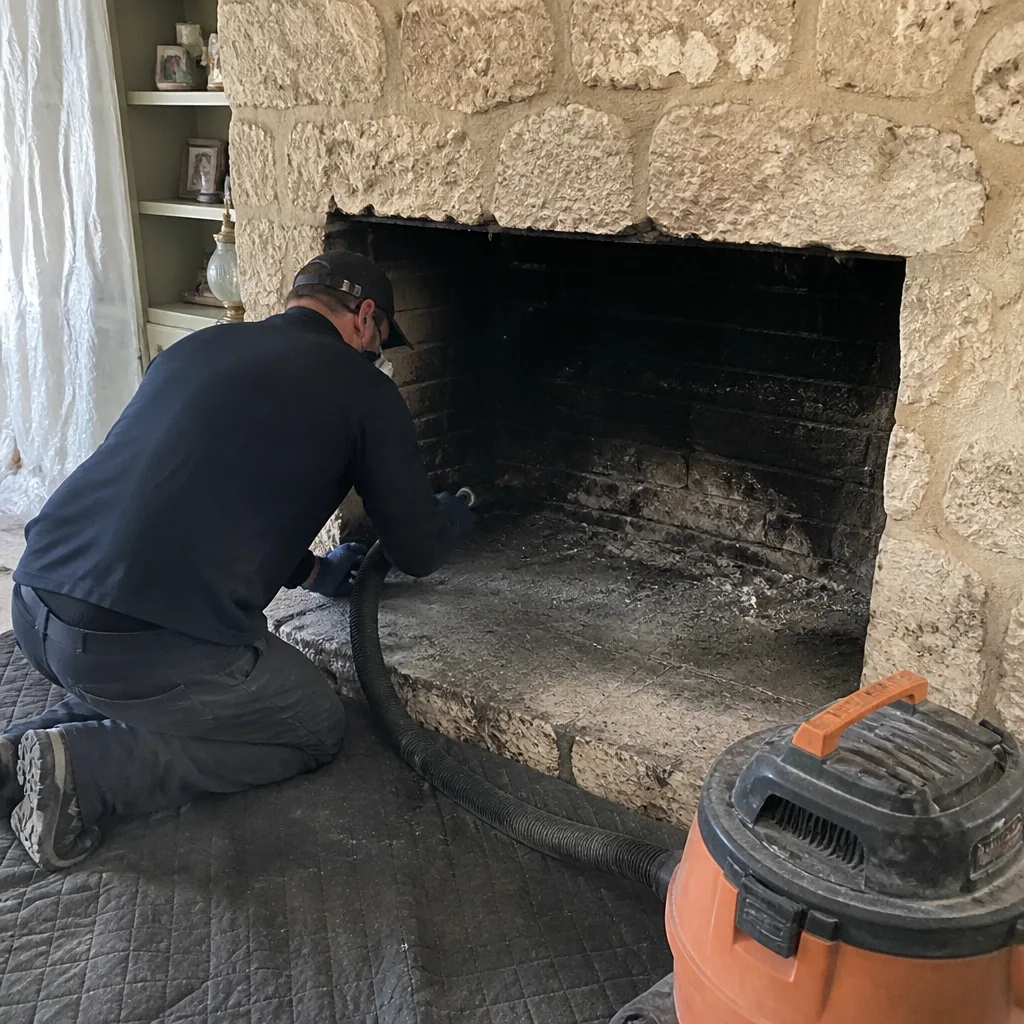 Before
 After
 Before
 After
The Bottom Line
A Canoga Park chimney fails on its own schedule, and that schedule has little to do with snow or ice. It’s UV cracking the crown, seismic movement opening the crown-to-flue joint, wildfire ash loading the smoke shelf and screen, and creosote building at a rate set by how much and what you burn. The checklist that works is the one built around those conditions: a pre-season camera inspection, a self-check of the cap and crown several times a year, an annual sweep before the burning season, and records kept in one place from year to year. Do those and you keep the chimney sound, the fireplace safe, and the paperwork ready when resale or an insurance question comes up. Skip them and the plan gets more expensive with each season.
Contact
If you’ve read this far and you’re thinking it’s time for a proper look, we’re happy to help. Chimney Sweep Canoga Park offers the full chain – inspection, sweep, cap and crown work, fireplace repair, and liner work – with professional-grade products from the brands we trust. Call (844) 443-4582 for a free estimate. We answer 24/7. Fast dispatch from 7am to 7pm, Sunday through Friday. Estimates are free and the written estimate sets the price.
Written by the team at Chimney Sweep Canoga Park.