
Last updated November 22, 2026
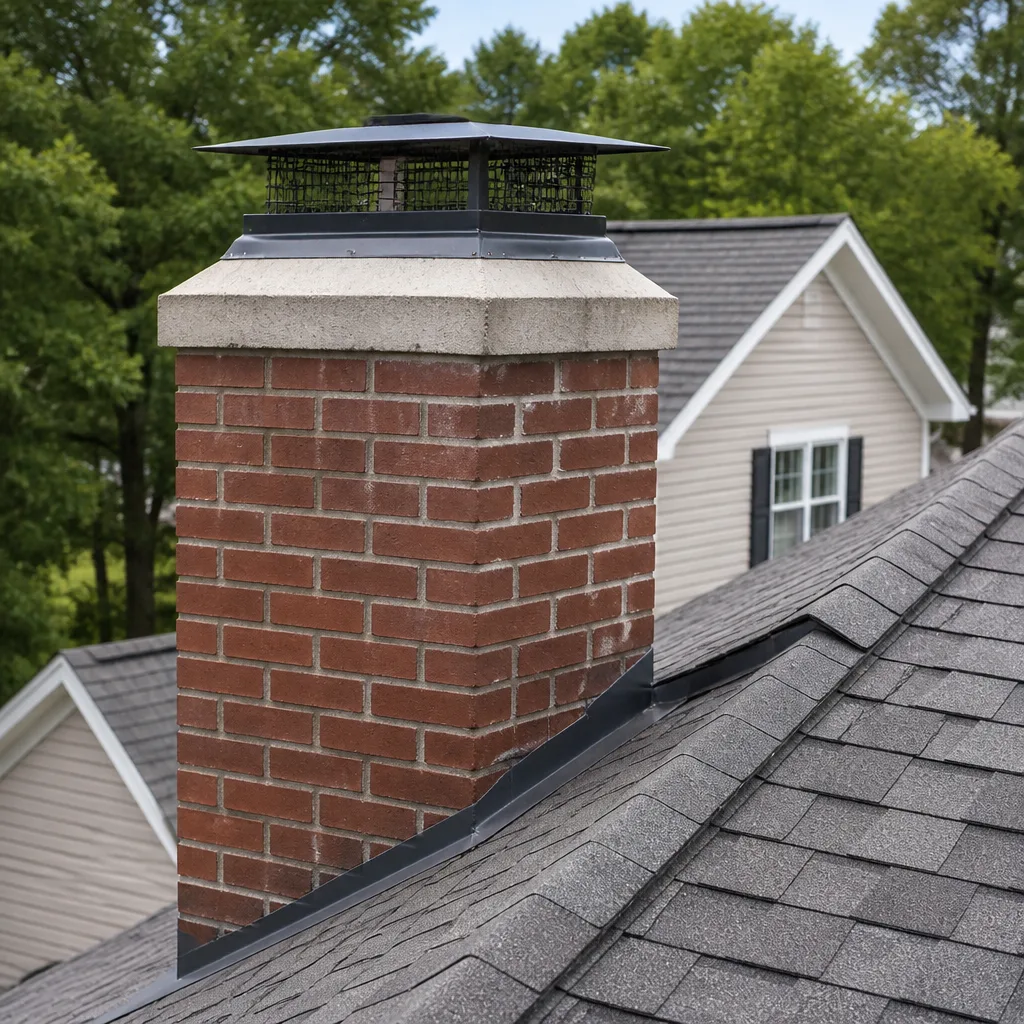 Sweep & inspection
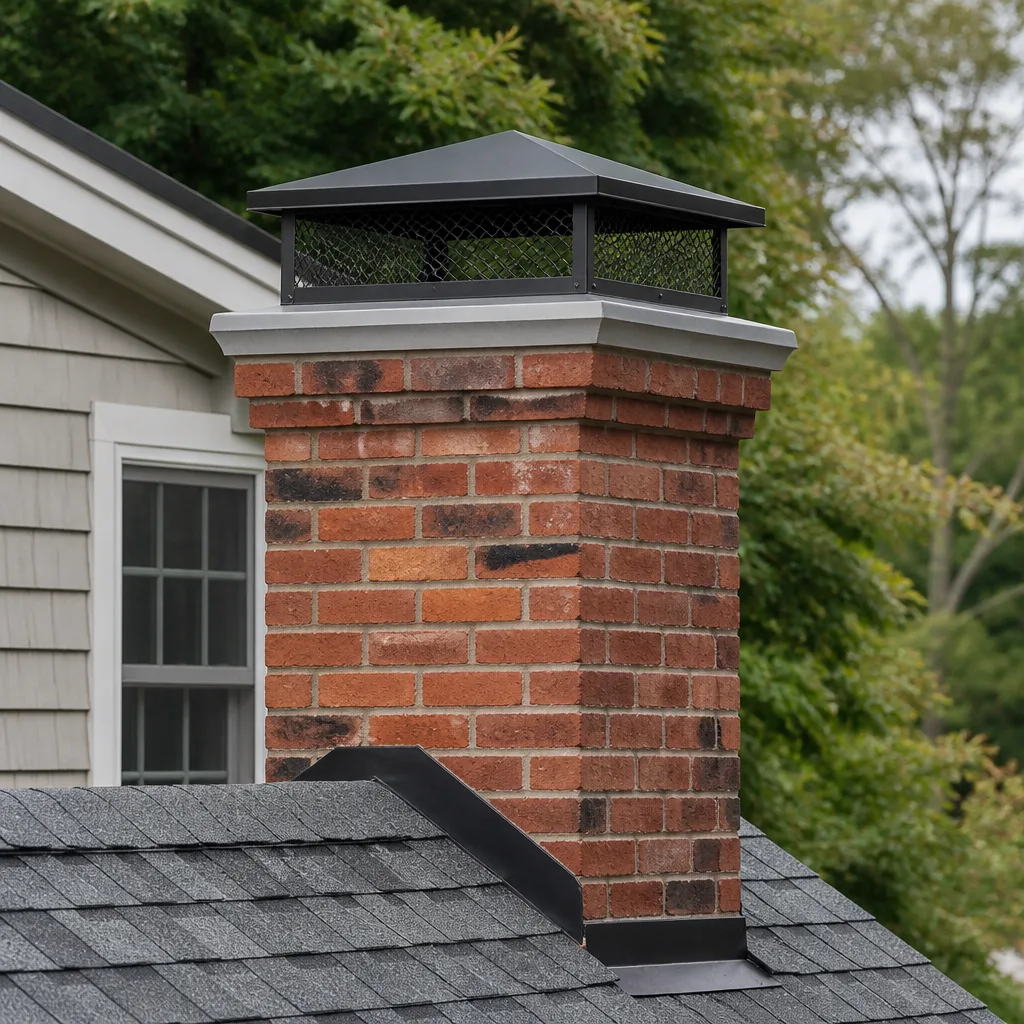 Caps & crowns
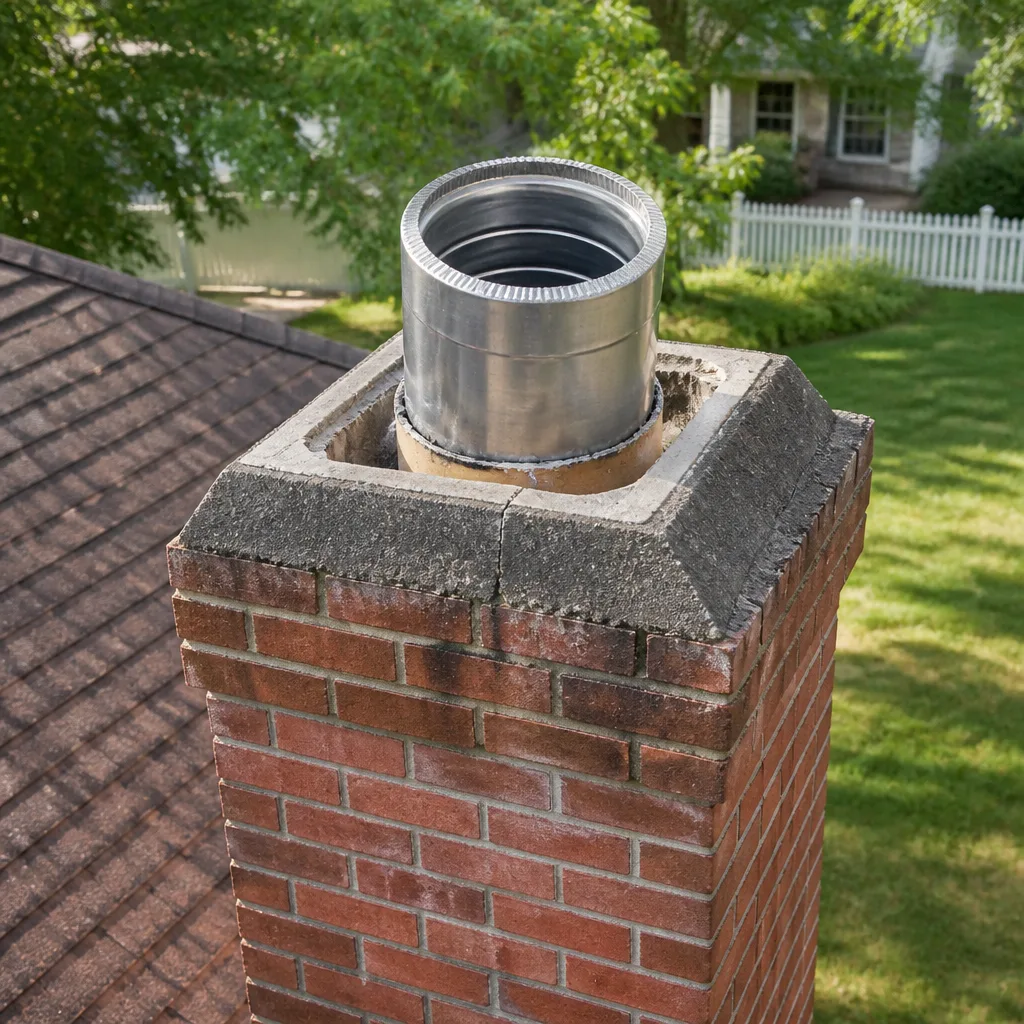 Flue relining
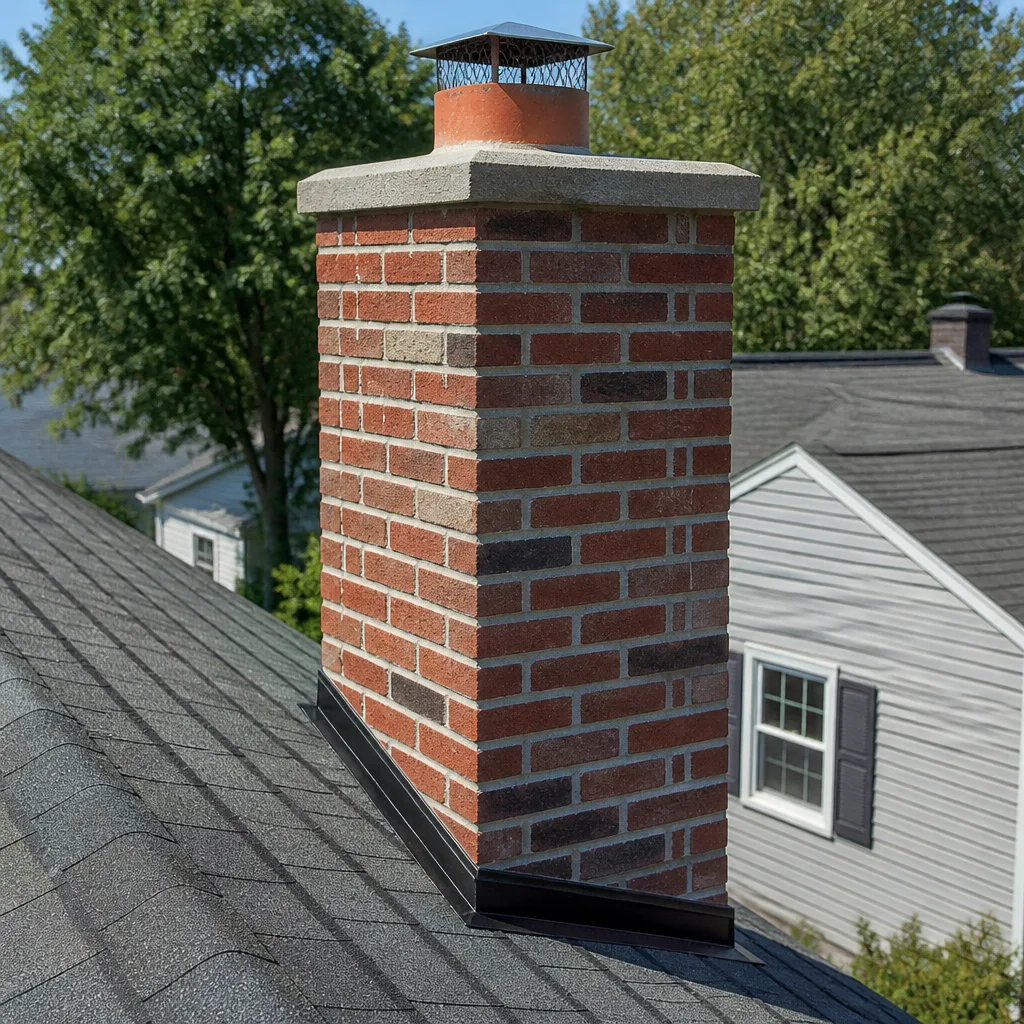 Masonry repair
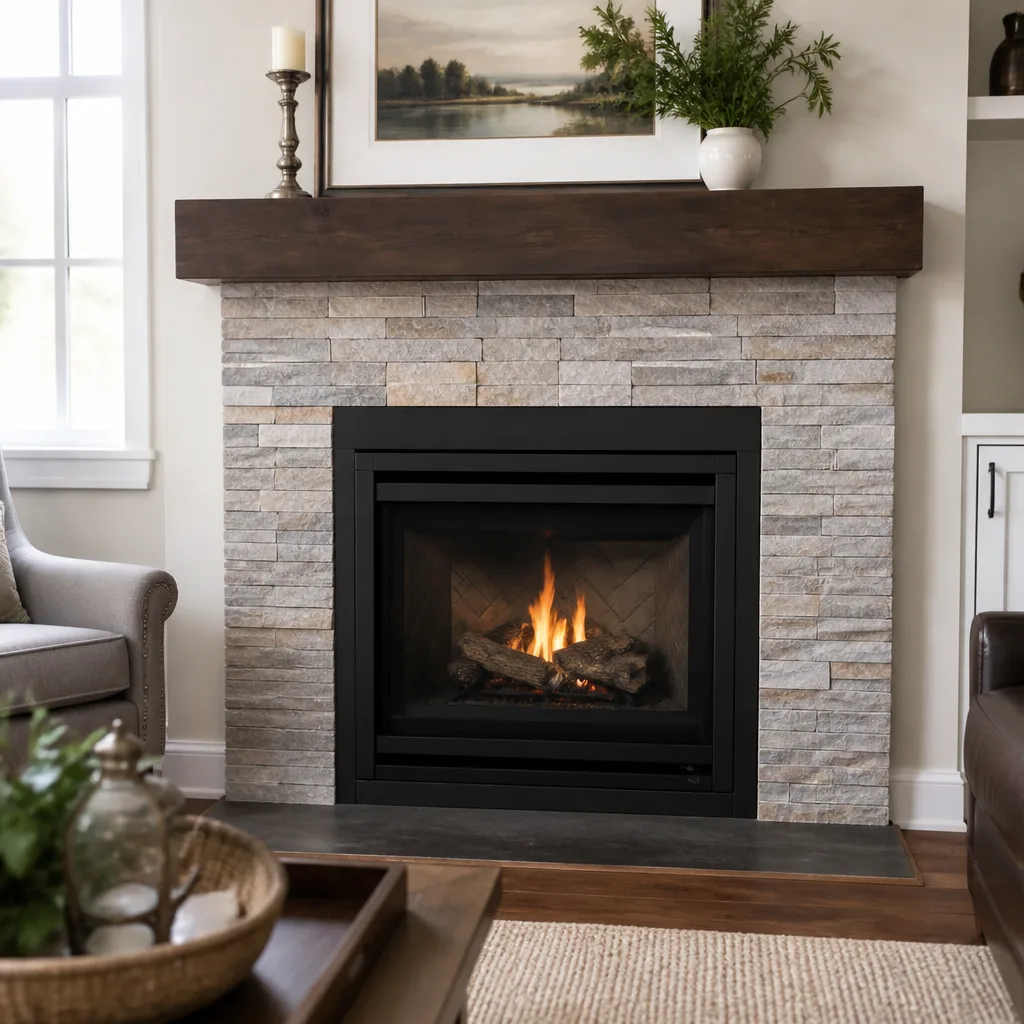 Gas fireplace service
Level 1 sweep and inspection to the NFPA 211 annual standard - flue, crown, cap, and flashing checked and photographed
Chimney sweep logs do not sweep chimneys. They loosen some creosote - which then falls where a brush and vacuum still have to collect it.
DIY vs Professional Chimney Cleaning: The Canoga Park Homeowner’s Decision Guide
Before you buy a brush kit
Professional chimney cleaning involves tools and steps most homeowners can’t easily perform alone. It also depends on knowing when a brush can make things worse. In Canoga Park, fireplaces get heavy seasonal use and light deposits can build up. This guide explains when cleaning a chimney yourself is reasonable and when it isn’t, what tools actually cost, and which warning signs mean you should call a professional.
Quick Answer
DIY chimney cleaning is reasonable only in narrow cases: light, powdery soot in a straight flue that was recently swept and has seen less than a season of use. If the flue has offsets, a damaged liner, a failing cap or glazed creosote, a brush kit can cause damage or hide a real problem. Call a professional for an inspection first, and let the inspection report tell you what the chimney actually needs. Call (844) 443-4582. We answer 24/7. Fast dispatch from 7am to 7pm, Sunday through Friday.
Styles & brands we work with
- Sweep & inspection
- Caps & crowns
- Flue relining
- Masonry repair
- Gas fireplace service
Table of Contents
- Where the DIY Line Actually Falls
- What DIY Cleaning Cannot Assess
- Equipment Reality Check: What a DIY Kit Actually Costs
- Creosote Stages and Why They Matter
- Liability and Insurance in a Wildfire-Prone County
- Three Questions to Answer Before You Buy a Brush
- What a Professional Sweep Actually Involves
- Common Mistakes to Avoid
- When to Call a Professional
- Frequently Asked Questions
Where the DIY Line Actually Falls
The rotary cleaning systems sold online for around $80 are the same basic tools professional sweeps use. But the tool isn’t what separates a safe cleaning from a risky one. What separates them is knowing what’s inside the flue before you spin anything. A homeowner with a straight flue and light soot can do a reasonable job. A homeowner with glazed creosote, an offset section or a cracked liner will likely make the problem worse.
DIY chimney cleaning is genuinely viable under all of these conditions:
- The deposit inside the flue is light gray and powdery, the kind of soot a single season of fires leaves behind.
- The chimney was professionally swept recently, with less than one full season of use since then.
- The flue is straight, vertical and accessible from both the firebox and the roof.
- The cap is intact and the crown is sound, so water and debris aren’t getting in.
- The chimney has been inspected and no cracks, gaps or liner damage were found.
If even one of those conditions fails, that’s where DIY stops being reasonable. In our experience across Canoga Park, most chimneys that see regular winter fires have at least one condition that fails. The San Fernando Valley’s mild winters mean people don’t burn every night, but when they do burn, they often burn hot and long. That pattern produces more creosote than the same number of short, cool fires would. Many homes here were also built decades ago, and older chimney construction often includes offset sections and tile liners that have already seen wear.
A quick evaluation before you buy any equipment is the fastest way to stay on the safe side of the line. A chimney inspection gives you the facts you need.
What DIY Cleaning Cannot Assess
Cleaning is about what you can reach. Inspection is about what you can’t. A brush removes soot from the flue walls you can see, but it tells you nothing about the parts of the chimney you can’t see from the firebox or the roof. Those hidden areas are where the costly problems live.
What a DIY cleaning cannot evaluate:
- Liner cracks and gaps. The flue tiles inside your chimney can develop hairline cracks that aren’t visible from either opening. A cracked liner lets heat and gases reach framing and combustible material. Only a camera inspection can find these reliably.
- Smoke chamber deterioration. The smoke chamber is the sloped area above the damper. It’s often rough and unlined, which makes it a creosote trap. Homeowners rarely have the tools to clean or inspect it properly.
- Cap and crown integrity. A cracked crown or a loose cap lets water in, and water damage to brick and mortar is one of the most common repair issues we find in Canoga Park. You can see the cap from the ground, but you can’t evaluate the mortar joints or the crown seal.
- Offset flue sections. Many older homes have chimneys that jog to one side. A brush on a flexible rod can pass through an offset, but it can’t confirm that the offset is clean, and it can’t show you what’s stuck in the bend.
- Creosote stage. You can see that there’s buildup. You can’t easily tell whether it’s Stage 1, 2 or 3 without a trained eye, and the stage changes what the right cleaning method is.
That’s why we inspect before we sweep. If the chimney has a damaged liner or a failing smoke chamber, the right move is repair, not a brush. And if a full reline is needed, a flexible system like DuraFlex can often handle an offset flue that rigid pipe can’t.
Equipment Reality Check: What a DIY Kit Actually Costs
A basic rotary brush kit runs around $80 online. A full setup costs more once you add the pieces most tutorials skip. Before you compare a kit price to a professional sweep, add up what you actually need to do the job safely on a Canoga Park roof.
- Rotary brush kit: around $80 for the rod and brush head.
- Additional rods: most kits ship with too few rods for a two-story chimney; expect to buy more.
- Drop cloths and a shop vacuum rated for fine soot: soot is a fine, staining dust, and a household vacuum can’t trap it.
- Respiratory protection and eye protection: rated for fine particulate, not a paper dust mask.
- Roof-safe footwear and a stable ladder setup: the roof pitch and height of your particular chimney determine what this looks like.
- Time: setup, sweeping, cleanup and disposal of soot typically takes more of the day than people expect.
Add those line items up honestly, and the gap between a DIY kit and a professional sweep in Canoga Park closes fast. What the kit still doesn’t include is an inspection, a camera check of the flue, a written report, or the trained eye to tell you when the cleaning is done and when there’s a problem that needs repair.
There’s also a safety component that equipment lists don’t cover. A chimney is a hole in the roof of your house. Heights, fall risk and fine soot in a confined space are the real hazards, not the brush. If you’re not comfortable on the roof or working inside the firebox, the cost comparison is settled.
Creosote Stages and Why They Matter
Creosote is the residue that forms when wood smoke cools on the flue walls. It comes in three stages, and the stage determines whether a brush can help or hurt. This is the part of chimney care that most DIY tutorials leave out.
- Stage 1: light, flaky soot. Easy to brush away. This is the stage where DIY cleaning is reasonable, provided the flue is otherwise sound.
- Stage 2: glazed or hardened creosote. The deposit becomes dense and crusty, and it bonds to the flue tile. A brush alone won’t reliably remove it; it often needs a chemical treatment first. This is where a homeowner with a rotary kit can get into trouble.
- Stage 3: heavily glazed, tar-like creosote. The hardest stage. If a brush is run through a flue at this stage without the right prep, large chunks can break loose and block the throat of the chimney rather than clear it.
That last point matters for Canoga Park homeowners. A blocked throat is a safety problem, and it’s not obvious from the firebox. A professional sweep tests the deposit before sweeping, chooses the right method for the stage, and confirms the flue is clear afterward. There’s also a reason glazed creosote is worth taking seriously beyond the immediate cleaning: it’s the fuel that chimney fires burn. The point isn’t to scare you into a call. The point is that the stage matters, and the wrong tool at the wrong stage can make things worse.
In our experience, a chimney that’s been used several seasons without a professional sweep is often at Stage 2 by the time a homeowner looks into DIY. That’s the case where the brush kit is most tempting and least likely to help.
Liability and Insurance in a Wildfire-Prone County
“I cleaned it myself” is a sentence with consequences when a chimney fire happens. Chimney care isn’t just a maintenance task; it’s part of the safety record of your home, and in Los Angeles County that record matters more than it does in many other places.
California’s wildfire risk environment means insurers are paying closer attention to fire safety at the property level than they did a decade ago. That doesn’t mean a homeowner with a clean chimney is at risk of losing coverage. But it does mean the question of how the chimney was maintained can become part of the conversation after a loss. A professional sweep leaves a written inspection report and a dated record of service. DIY leaves no record other than your own memory.
There’s a second layer. If a brush dislodges creosote into the throat and a fire later starts in a way that traces back to that blockage, the homeowner is the one who performed the work. In a resale situation, a missing service record on a chimney can also become a repair credit at closing. A homeowner who’s been told by another contractor that the chimney needs work has an even stronger reason to get a professional opinion documented before doing anything.
We can work with your insurer when a documented inspection or repair is needed. That’s part of the service, not an add-on.
Three Questions to Answer Before You Buy a Brush
Most homeowners don’t need a long evaluation to know which side of the line they’re on. These three questions cover it. Answer them honestly before you order any equipment or pick up the phone.
- When was the chimney last swept by a professional, and how many seasons of use since? If it’s been more than one season since a professional sweep, the deposit is likely past the light-and-powdery stage. That lands you on the professional side.
- Do you know the flue is straight, sound and free of liner cracks? If you don’t know, you don’t know. That’s not a reason to skip cleaning, it’s a reason to get an inspection first.
- Can you see the whole chimney from the firebox to the cap, and are you comfortable on the roof? If the answer is no on either count, a brush kit can’t do the full job anyway.
If you answered “more than one season,” “I don’t know,” or “no” to any of those, call for an inspection. The inspection is the same call whether you end up doing the maintenance yourself or having us do it. We’ll tell you what’s actually wrong before recommending anything.
If you answered cleanly on all three, you’re a reasonable candidate for DIY maintenance. Keep a written record of what you did and when. Get a professional inspection before the next season, because the conditions that make DIY safe can change quietly.
What a Professional Sweep Actually Involves
A professional chimney sweep in Canoga Park is more than a brush through a flue. It’s an inspection, a cleaning and a written record, and each step exists to catch something the step before it can’t. Here’s what the process looks like.
- Visual inspection of the firebox, damper, smoke chamber and accessible flue. This establishes the condition of the chimney before anything is swept.
- Camera inspection of the flue. A camera looks for cracks, gaps, offset issues and other damage that can’t be seen from the openings. The photo report is yours to keep.
- Sweep with the method matched to the deposit stage. A standard sweep is fine for light soot. Heavier creosote may call for a different approach, and the deposit is tested first.
- Cap and crown check. The cap and crown keep water and animals out, and both take wear. If they need attention, this is where it’s found.
- Walkthrough of findings. You see the photos and the report before any repair is discussed. Nothing gets recommended without evidence you can look at yourself.
Some jobs need repair work, not just a sweep. Deteriorated flue tiles can sometimes be restored with HeatShield resurfacing rather than a full reline. A worn cap or crown can be replaced with a fit from Gelco, Famco or Copperfield so the cover matches the flue size and roofline rather than getting a generic part. This is the part of the job most generic sweep-and-go crews can’t do. From the firebox to the cap, the work stays with one team. The difference matters because a repair recommendation from a company that can’t perform the repair is worth less than one from a company that can. If you want the front-door entry to the whole process, start with a chimney sweep and inspection together.
Common Mistakes to Avoid
- Buying the kit before the inspection. A brush is only useful if the flue can safely take one. Get the inspection first, then decide.
- Judging the job by what you can see from the firebox. The most costly problems are in the parts of the chimney you can’t see. Cracks and offset issues hide there.
- Ignoring the cap and crown because the firebox looks fine. Water intrusion through a cracked crown is one of the most common damage sources on Canoga Park masonry chimneys. It happens slowly and quietly.
- Brushing a flue with glazed creosote. Running a rotary brush through Stage 2 or 3 creosote can knock large chunks loose and block the throat rather than clear it.
- Treating a single sweep as a permanent fix. A chimney is a system that wears, and one cleaning doesn’t resolve a liner that’s already cracked or a crown that’s already failing.
- Self-certifying without a record. An inspection report and a dated service record protect you at resale and in any conversation with your insurer.
- Choosing a sweep by price alone. A sweep-only crew can’t restore a deteriorated liner or replace a crown. The quote that can’t cover repair often includes a repair referral you’ll pay for separately.
When to Call a Professional
Call for a professional chimney sweep in Canoga Park if any of these apply:
- It’s been more than one season since the chimney was professionally swept.
- You’re purchasing a home and have no service record for the chimney.
- You can smell smoke in the house when the fireplace is not in use, or when another appliance is running.
- You’ve noticed dark, shiny or tar-like deposit inside the firebox or flue.
- Another contractor told you the chimney needs repair and you can’t verify the finding.
Chimney Sweep Canoga Park offers free estimates in Canoga Park. Call (844) 443-4582 for an exact quote. Estimates are free, and the written estimate sets the final price.
Frequently Asked Questions
Your chimney needs cleaning because fireplace and wood stove use produces creosote, a residue that builds up on the flue walls with every fire. The heavier the use and the cooler the fire, the faster it builds.
Yes, if the deposit is light and powdery, the flue is straight and accessible, and the chimney was professionally inspected recently. If any of those conditions is missing, a professional sweep is the safer choice because the flue needs to be evaluated before it’s cleaned.
Because a professional sweep includes an inspection that catches what a brush can’t reach: cracked liners, smoke chamber deterioration, cap and crown damage, and offset flue sections. A sweep-only job clears soot. A professional sweep also documents the condition of the chimney so you know what’s actually happening inside it.
A basic rotary kit is around $80, but the full setup (rods, drop cloths, a shop vacuum rated for fine soot, and rated respiratory and eye protection) costs more. Add the time for setup and cleanup, and the real cost is closer to a professional sweep than most people expect. Call (844) 443-4582 for a free estimate on professional service.
It can be safe if the deposit is light soot and the flue has been inspected, but chimney work on a roof involves real fall and particulate risk. If you’re not comfortable on the roof or working inside the firebox, leave the job to a trained professional.
Creosote accumulates, and at higher stages it becomes the fuel for a chimney fire. A blocked or damaged flue can also direct smoke and combustion gases back into the house. A regular sweep and inspection is the low-cost step that prevents both. Call (844) 443-4582 for a free estimate.
Not necessarily. Nothing is recommended without camera evidence you can look at for yourself. Many chimneys need only a sweep and a cap or crown fix. If a liner is genuinely deteriorated, HeatShield resurfacing can sometimes restore the flue without a full reline. If the flue has offset sections, a flexible liner like DuraFlex may be the right fit.
The standard guidance is once per year for a regularly used fireplace, and more often if you burn heavily or burn unseasoned wood. A yearly inspection keeps the record current and catches problems early. Call (844) 443-4582 for a free estimate.
The Bottom Line
DIY chimney cleaning is a real option, but the conditions that make it safe are narrower than a $80 brush kit makes them look. Light powdery soot in a straight, recently inspected flue is reasonable to handle yourself. Glazed creosote, offset flues, cracked liners and failing caps are not. The deposit stage matters more than the brush, and the camera inspection is the piece a homeowner can’t replicate. In Canoga Park, where fireplaces see steady seasonal use and many homes are old enough to have hidden liner wear, the inspection-first approach is what actually protects your chimney and your record. Call (844) 443-4582. We answer 24/7. Fast dispatch from 7am to 7pm, Sunday through Friday.
Written by the team at Chimney Sweep Canoga Park.
See the difference
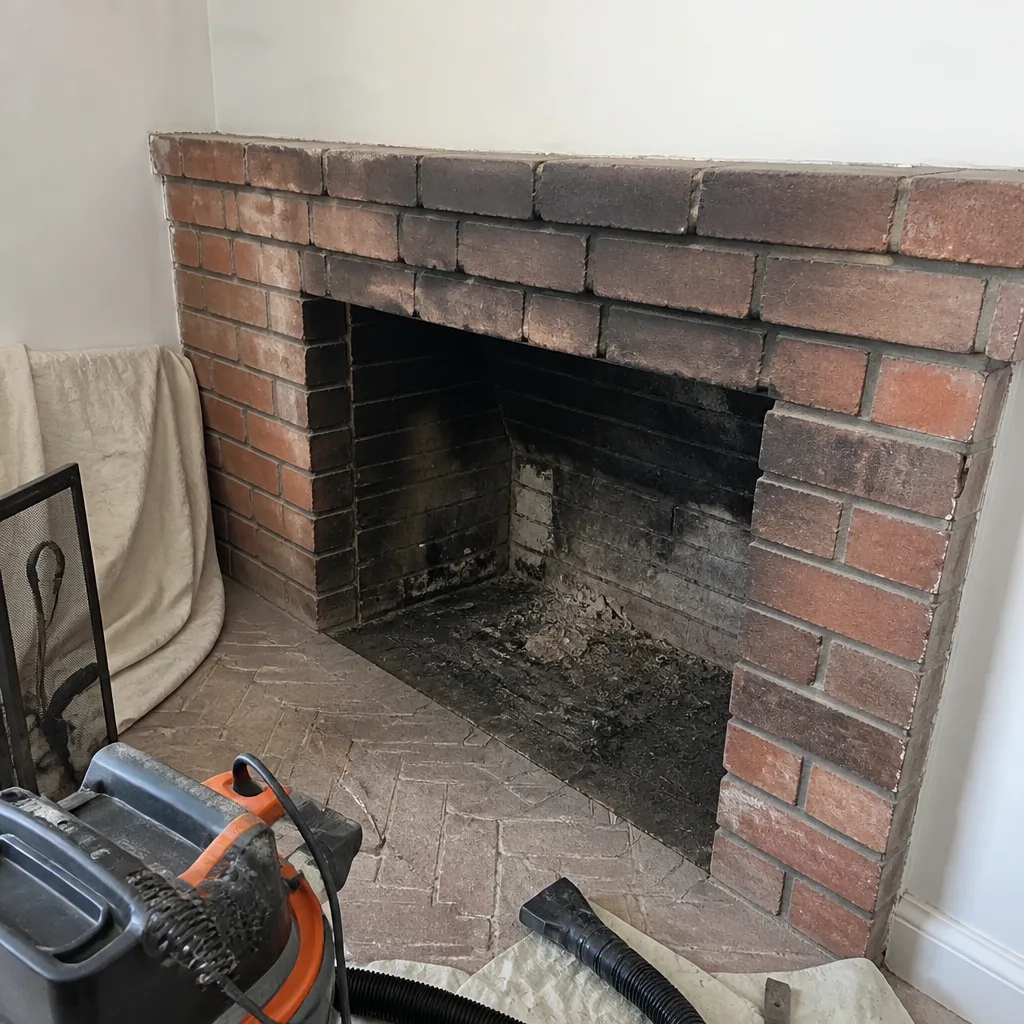
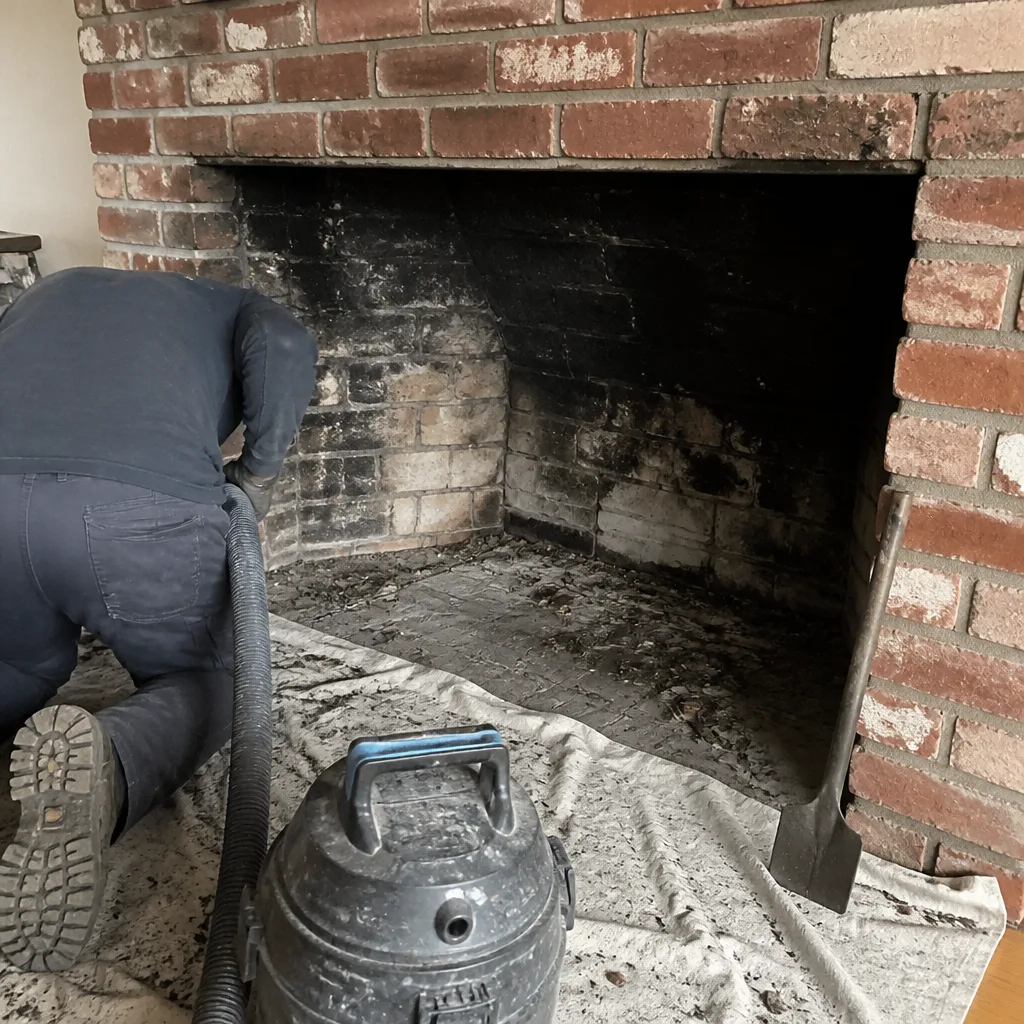 Before
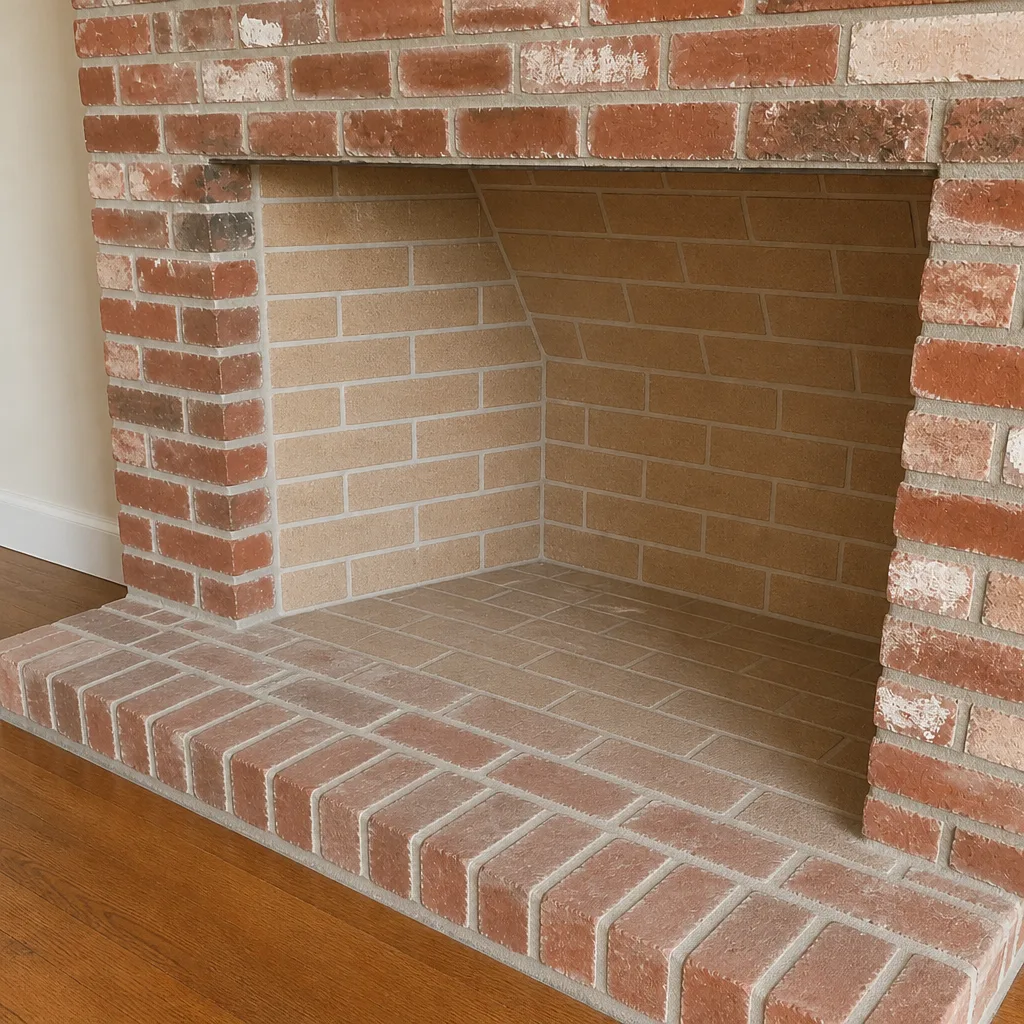 After
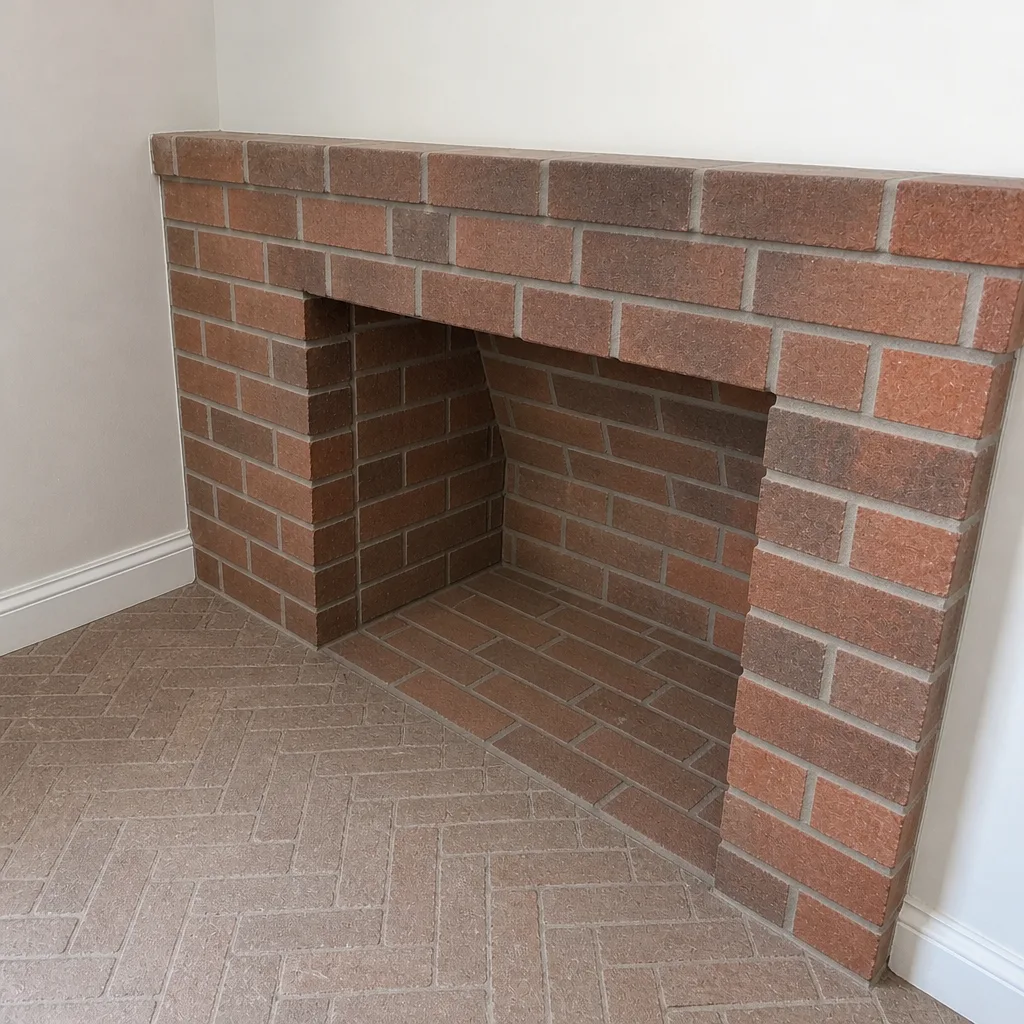
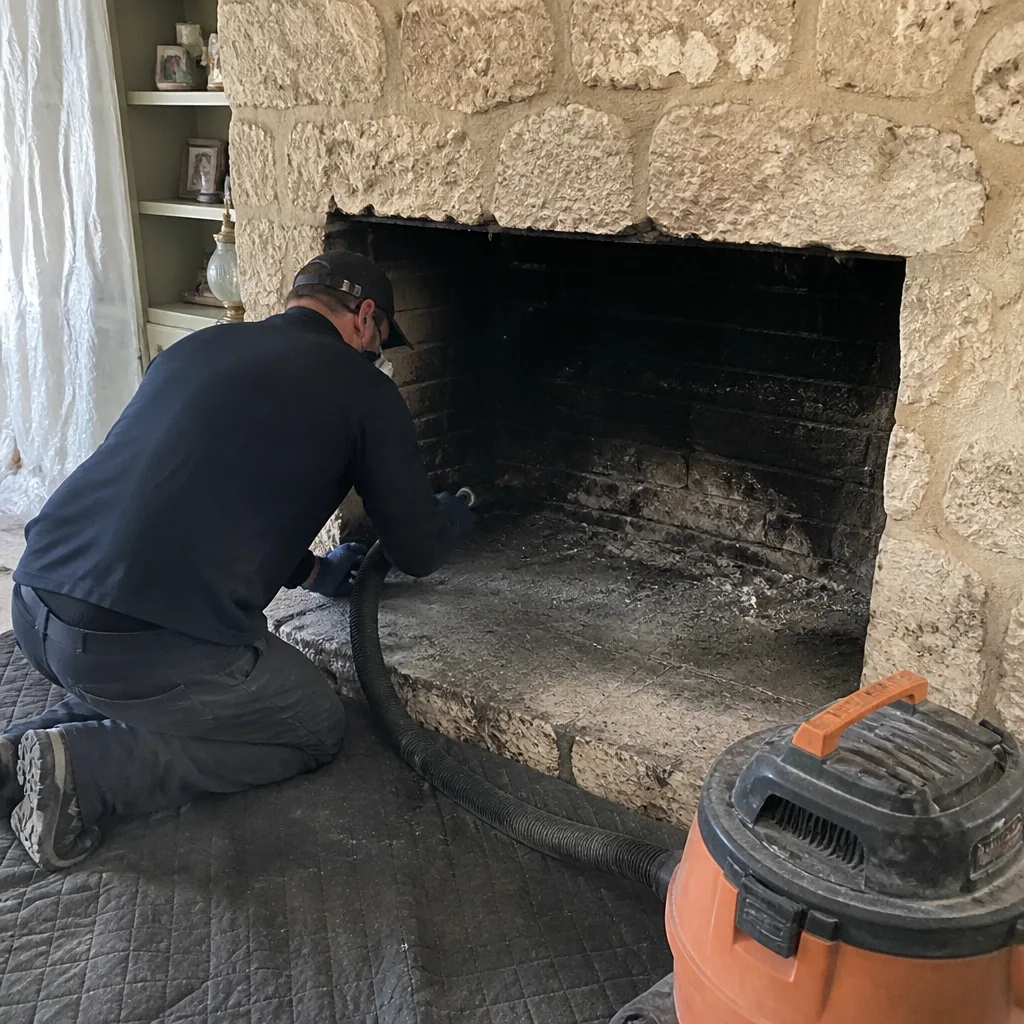 Before
 After
 Before
 After