
Last updated November 22, 2026
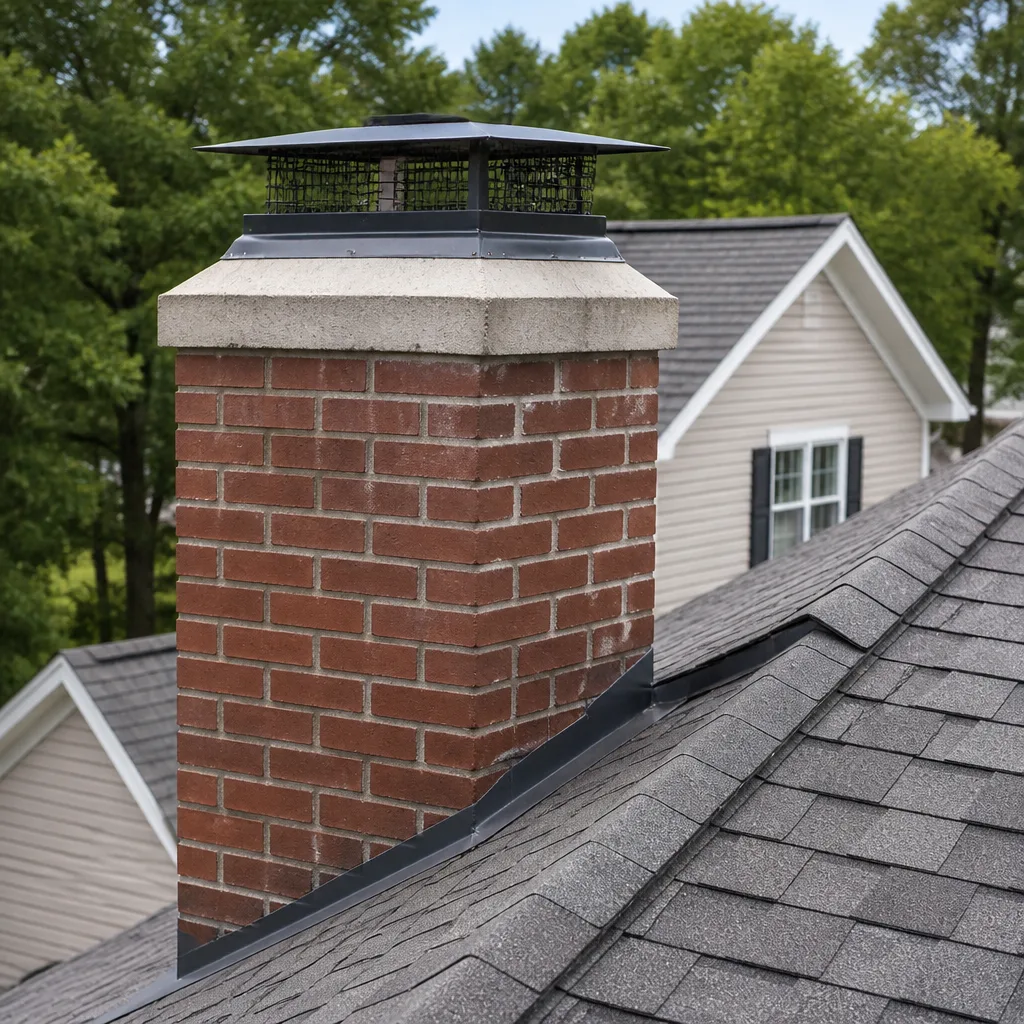 Sweep & inspection
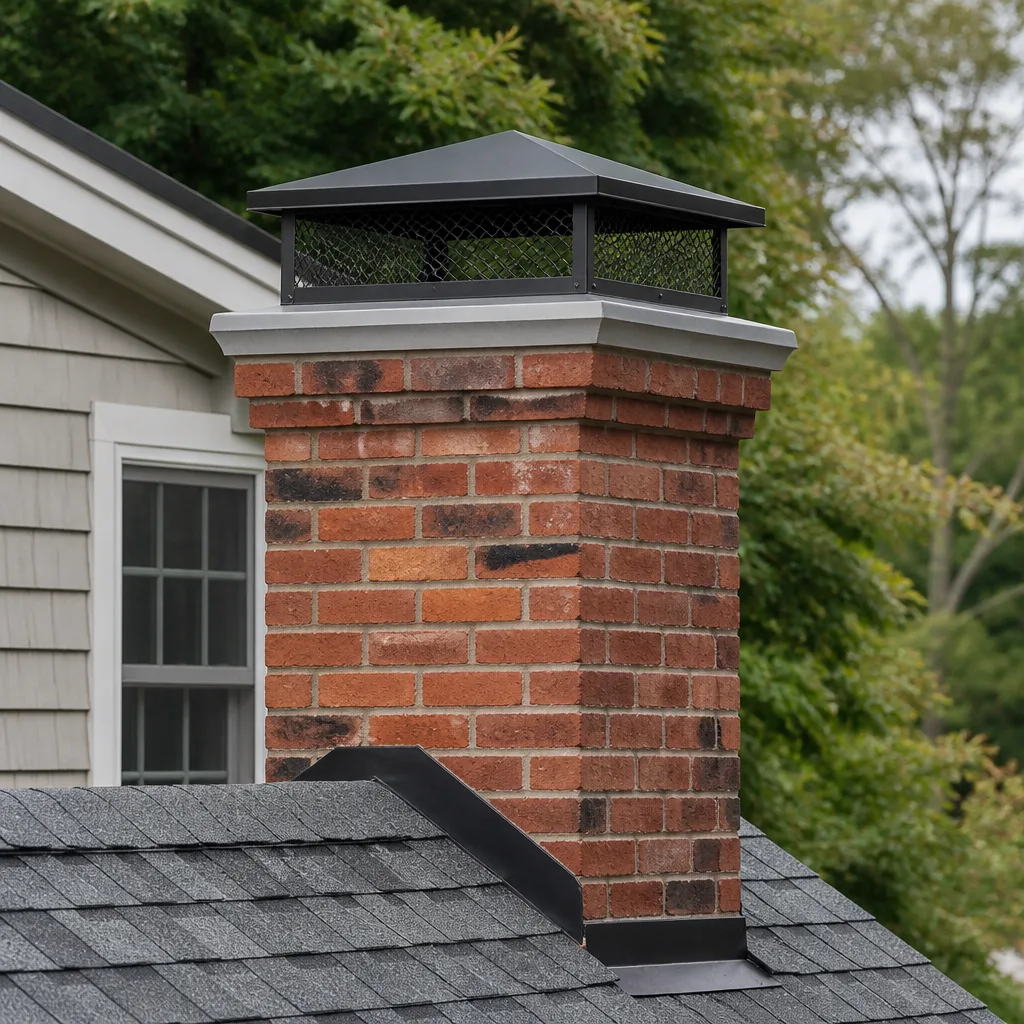 Caps & crowns
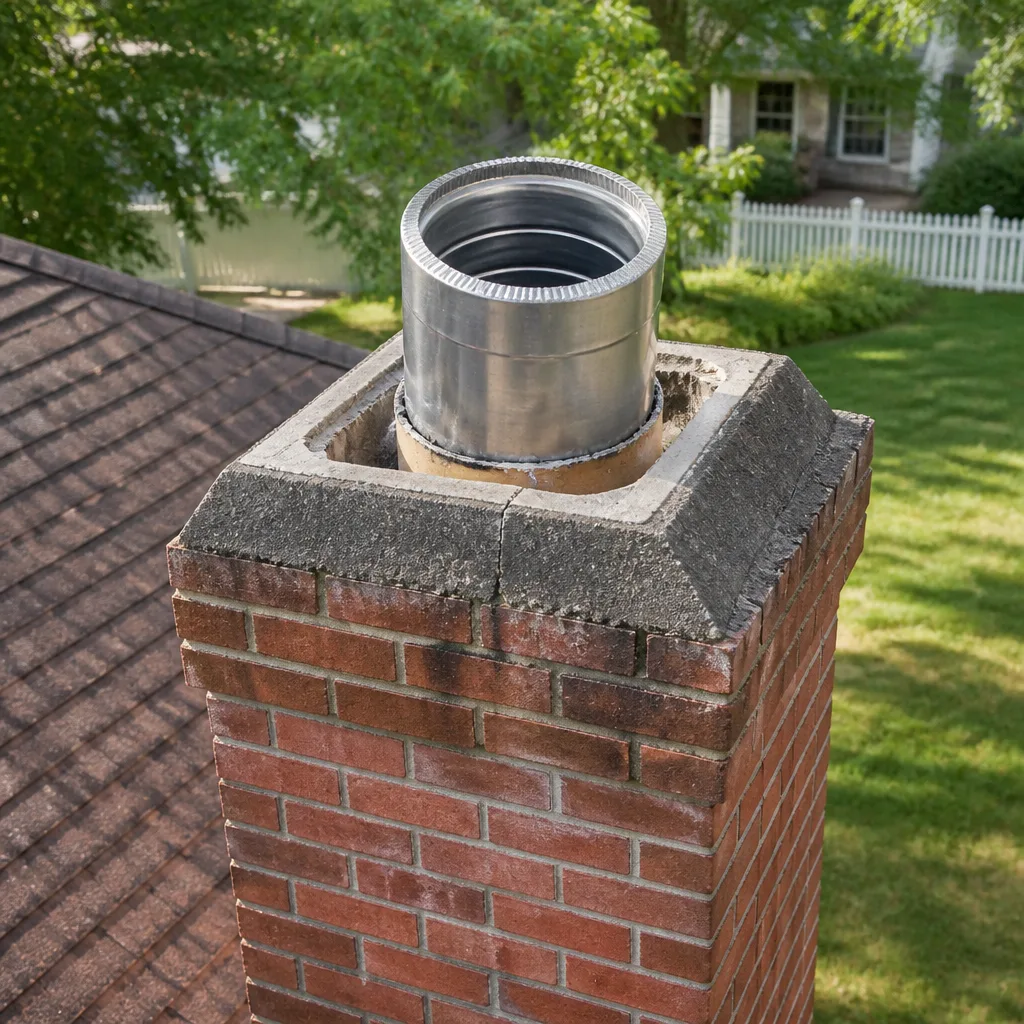 Flue relining
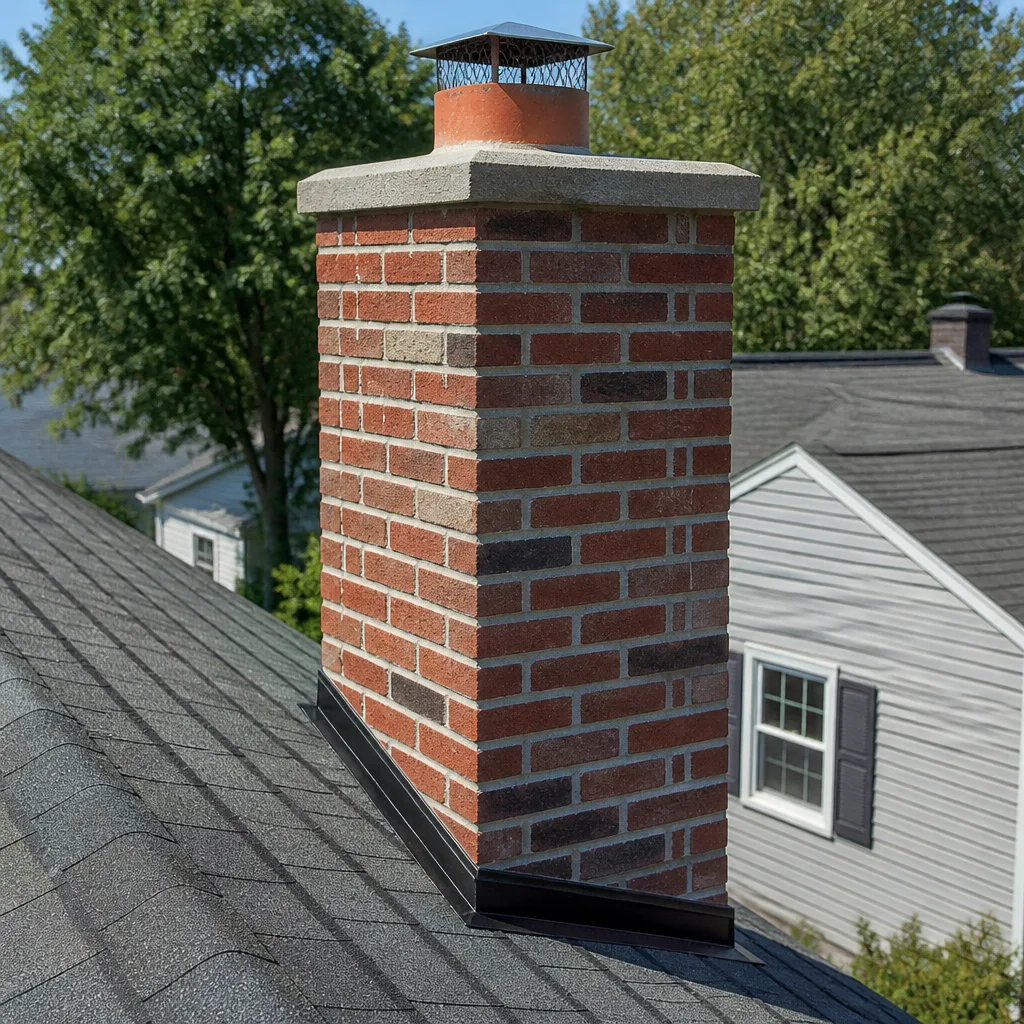 Masonry repair
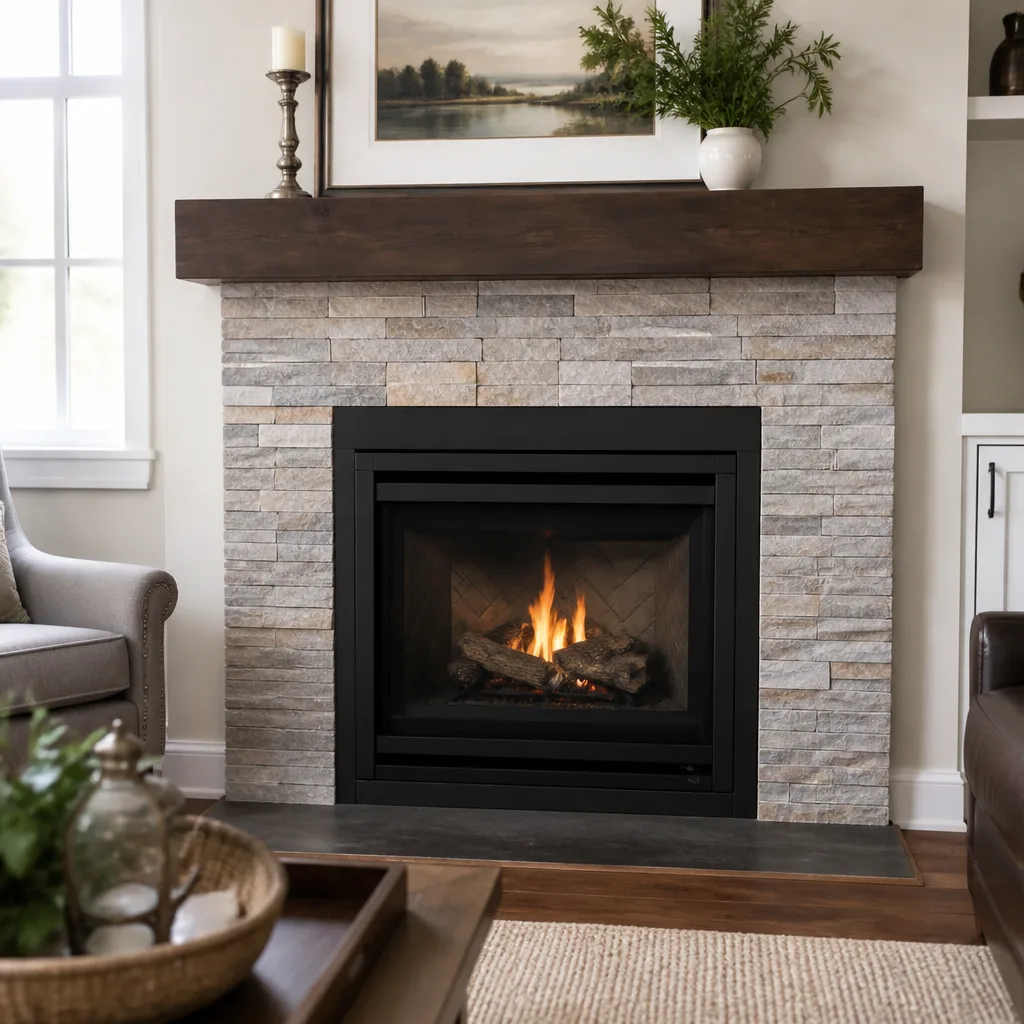 Gas fireplace service
Level 1 sweep and inspection to the NFPA 211 annual standard - flue, crown, cap, and flashing checked and photographed
Chimney sweep logs do not sweep chimneys. They loosen some creosote - which then falls where a brush and vacuum still have to collect it.
Seasonal Chimney Cleaning Care for Canoga Park: Year-Round Homeowner’s Guide
October in Canoga Park is the worst possible time to light your first fire of the season, and it’s also the moment most homeowners do exactly that. The Santa Ana winds have already started reversing normal airflow, funneling warm, dry air down the flue instead of pulling smoke up and out. Meanwhile, months of dust, leaf litter, and fine grit from nearby wildfire smoke events have collected on the smoke shelf behind the damper, right where a fresh fire will disturb them. This guide covers the four real maintenance phases a Canoga Park chimney goes through each year, why a rigid “clean it every fall” routine misses half the risks, and what to check before each seasonal shift. You’ll learn the timing that actually matches our local weather, how to spot problems early, and when a job is simple versus when it needs a specialist.
Quick Answer
Seasonal chimney care in Canoga Park runs on four phases tied to local conditions, not the calendar of a four-season climate: a pre-burn sweep in late summer or early fall before Santa Ana wind season, mid-winter attention to condensation and inconsistent draft during our brief cold snaps, a spring post-season inspection for nesting birds and storm damage, and summer monitoring of mortar joints stressed by heat cycling. Wildfire smoke events cut across all four and deposit fine ash that behaves very differently than combustion creosote. The right schedule depends on how often you actually burn and the condition of your flue, so an inspection comes before any recommendation.
Styles & brands we work with
- Sweep & inspection
- Caps & crowns
- Flue relining
- Masonry repair
- Gas fireplace service
Table of Contents
- Phase 1: Fall Pre-Burn Preparation Before Santa Ana Season
- Phase 2: Winter Draft and Condensation Management
- Phase 3: Spring Inspection for Bird Nesting and Storm Damage
- Phase 4: Summer Heat Cycling and Mortar Joint Degradation
- How Wildfire Smoke Events Change the Picture
- Inspection vs. Sweep: What’s Actually Different
- What Chimney Care Costs in Canoga Park
- A Simple Year-Round Maintenance Schedule
Phase 1: Fall Pre-Burn Preparation Before Santa Ana Season
In a four-season climate, the spring sweep is the traditional recommendation because it clears winter’s creosote load while the weather is mild. In Canoga Park, that logic breaks down. Most homeowners here burn from late November into February, so a spring cleaning sits idle for six months while dust, grit, and airborne debris settle back onto the smoke shelf and flue walls. A late-summer or early-fall sweep, timed before the first Santa Ana event of the year, does two things a spring cleaning can’t: it clears the accumulation from the *current* year of burning and it prepares the chimney for the specific airflow reversal that Santa Ana winds create.
Here’s why that matters. Santa Ana winds push air from inland toward the coast, dropping pressure at the exterior of the house and creating down-draft conditions at the chimney top. A flue that’s clean and open handles that reversal better than one packed with last season’s deposits, which restrict flow and can push smoke back into the room. That’s the counterintuitive part: the first fire of the season, lit in the middle of a wind event, is the one most likely to smoke you out of the living room.
A proper pre-burn visit from a trained technician for your chimney sweep covers more than brushing. It includes:
- Visual inspection of the firebox and damper for cracks, rust, or a damper that no longer seals.
- Removal of the creosote and debris load from the flue, smoke chamber, and smoke shelf.
- A look at the cap and crown for cracking, missing screen, or uplift from wind.
- A draft check to confirm the flue pulls correctly, not just that it’s clean.
Our technicians have up to 15 years of experience reading these signs in Southern California homes, and we inspect before we sweep, so nothing gets brushed that doesn’t need it. If the inspection turns up a cracked cap or damaged crown, our chimney cap & crown work handles the repair in the same visit chain.
Phase 2: Winter Draft and Condensation Management
Canoga Park winters are mild, and that’s exactly what creates the draft and condensation problems we see. A chimney that runs warm-cold-warm in the same week, because you burn on a cool night, skip two mild days, then light again, experiences thermal cycling that a steadily burning chimney in a colder climate doesn’t. Cold metal and cold masonry flues have to warm up before they pull properly, so the first fire after a break tends to draft poorly until the flue reaches temperature. That’s not a defect; it’s physics, and it’s manageable.
Condensation is the less obvious winter issue. When the flue is warm and moist combustion gases hit a cold flue wall, water vapor condenses inside the chimney. In the right conditions that moisture combines with creosote and soot into a corrosive mix that attacks mortar and flue tiles from the inside. You won’t see that damage from the living room. Signs worth noting include:
- Damp, ashy smell in the firebox or room after a fire dies down.
- White staining on the exterior chimney face, which points to moisture moving through the masonry.
- Rust on the damper or firebox hardware from interior moisture, not outdoor rain.
- Poor draft on restart, meaning the flue cools down too fast between burns.
If your chimney shares the same warm-cold pattern all winter, that’s the phase to schedule an inspection rather than assume the draft issues are just “the way it is.” A flue that drafts poorly can push carbon monoxide back into the room, and that’s worth ruling out with evidence, not guesswork. If the inspection shows detergent flue tiles, a resurfacing system like HeatShield can restore them without full demolition, which is a repair route sweep-only competitors can’t offer.
Phase 3: Spring Inspection for Bird Nesting and Storm Damage
This is the phase most Canoga Park homeowners skip, and it’s the one that causes the most damage per dollar when it’s missed. Starlings and swifts nest in spring, and an open or damaged chimney cap is prime real estate. Once a bird gets in, nest material blocks the flue, and you won’t know until the first cool night of the next season, when smoke has nowhere to go but back into the room. It’s a fire hazard too: bird nest material is dry, fibrous, and catches embers readily.
This is where a properly fitted cap does its job before nesting starts. We install caps from a few professional lines, including Gelco, Famco, and Copperfield, so the fit matches the flue diameter and the roofline rather than a generic size that leaves gaps. A cap with a correct screen keeps birds, squirrels, and debris out while allowing smoke through. If the existing cap is bent, missing its screen, or was sized for a different flue, spring is the time to correct it, not the week before your first fire.
Spring is also when chimney storm damage shows up. Canoga Park doesn’t get the late-winter storms of colder regions, but wind-driven rain during the brief spring wet period finds cracks in the crown and mortar. A spring inspection catches:
- Crown cracks that let water run behind the cap and down the flue wall.
- Spalling brick where moisture has entered and the face has begun to flake.
- Loose mortar joints that a fresh repoint will hold.
- Nest or debris blockages cleared before they harden into the flue.
We keep the whole chain in-house: inspection, sweep, cap and crown, repair, and liner work. That means one specialist to call instead of coordinating between a sweep and a mason who blame each other when something goes wrong.
Phase 4: Summer Heat Cycling and Mortar Joint Degradation
A chimney that goes unused for months in summer looks like it’s resting. It isn’t. The exterior masonry, cap, and crown expand and contract daily as the sun heats the structure and the cool night air returns it, and that cycling is the slow, invisible work that stresses mortar joints and flue tiles. Add the intense dry heat Canoga Park gets in July and August, and you have months of thermal movement with no combustion moisture to balance it out.
The wear shows up in specific places, and summer is when you can look for it without smoke or a fire in the way:
- Hairline mortar cracks at the joint lines, especially on the sun-facing side.
- Crown separation from the flue, where the top overhang has shifted off the mortar bed.
- Displaced flue tiles that shift as the masonry moves around them.
- Loose brick faces that release under sustained dry heat.
None of these is an emergency on its own, but they compound. A hairline crack becomes a water pathway, which becomes a spalled brick, which becomes a crown repair instead of a crown cleaning. Letting a summer inspection catch them early is the cheapest way to run a chimney. If the inspection finds a deteriorated liner, resurfacing with HeatShield can restore the interior surface without tearing out the chimney; when the liner damage is severe or the flue is an offset configuration, a DuraFlex flexible liner system lets us reline flues that rigid systems can’t handle.
How Wildfire Smoke Events Change the Picture
Southern California wildfire season runs alongside the fall and early winter burning months, and that overlap creates a maintenance problem most generic chimney guides ignore entirely. Smoke from nearby fires infiltrates a home passively whenever the outdoor air quality drops: through the chimney’s weak points, a downdrafting flue, and the pressure differences that push smoke in from outside. The fine ash that settles on the smoke shelf and flue walls is a different species from combustion creosote. It’s finer, it clings differently, and it can carry particulate residue that ordinary brushing of creosote doesn’t fully address.
What that means in practice:
- Ash loads are lighter but wider spread, so a surface-only sweep may miss the deposits on the smoke chamber shelf and flue shoulders.
- Smoke events stack on the fire season, so a chimney already carrying creosote collects both.
- A draft test matters more after a heavy smoke period, because passive infiltration indicates the flue isn’t holding a positive pull.
In our experience, homeowners tend to schedule a sweep after a visible fire event nearby and skip it after a smoke-only event. Neither is wrong; the point is that the sweep needed after smoke infiltration is the same thorough job, just scheduled for different reasons. Whatever triggered it (dust, smoke, or burning season), the sweep starts after an inspection, so you’re not paying for work nothing needs.
Inspection vs. Sweep: What’s Actually Different
These aren’t the same service, and knowing the difference is what stops a homeowner from being sold work they don’t need. An inspection evaluates the condition of the whole system: firebox, damper, smoke chamber, flue, cap, crown, and the exterior masonry. A sweep removes creosote, soot, and debris from the flue and firebox. An inspection should always come first, because it decides whether a sweep is even necessary and whether anything else needs attention.
We work to an NFPA 211-style inspection standard, meaning we look at the full components and record what we find. That gives you a written picture of your chimney’s condition, not a vague “it’s dirty” or “you need a new liner.” Across five core services (sweeping, cap and crown, fireplace repair, chimney repair, and inspection), the inspection is the entry point. It’s how we tell you what’s actually wrong before recommending anything.
A useful way to think about the sequence:
- Inspection: full system review, with notes on each component.
- Sweep: only if the inspection shows the creosote or debris load warrants it.
- Cap and crown work: if the top is compromised or the cap doesn’t fit the flue.
- Repair: for firebox, damper, masonry, or flue-tile issues found in inspection.
- Liner work: if the flue interior is too degraded for resurfacing and needs a DuraFlex liner.
See the full picture on our Chimney Sweep Canoga Park page, which walks through each service and how they connect. The order matters because a sweep done on a chimney with a cracked crown doesn’t fix the crown, and a cap installed on an unlined flue doesn’t fix the flue.
What Chimney Care Costs in Canoga Park
Chimney work is priced per job by a written estimate, so the figures below are typical ranges for the kinds of work we see in and around Canoga Park, not quotes. Your written estimate sets the final price after the inspection. An estimate is free.
- Standard sweep and inspection: typically $180 to $340, depending on flue condition and how much creosote is present.
- Cap and crown work: typically $250 to $650, depending on cap style, flue diameter, and crown repair extent.
- Fireplace repair (damper, firebox panels, minor): typically $300 to $1,200, varying by damage scope.
- Chimney repair (mortar joints, brick, structural): typically $400 to $1,800 or more, based on the number of repairs.
- Liner work (resurfacing or relining): typically $1,500 to $4,500, driven by flue type, length, and whether resurfacing is enough or a DuraFlex reline is needed.
These are broad ranges because chimney work varies widely by house. A 1950s Canoga Park ranch with a single original flue is a different job than a 1980s build with an offset flue and a masonry fireplace on a second wall. The estimate you get is specific to your chimney. If a contractor quotes you a price before seeing the chimney, that number is guesswork. For more detail on what drives the final figure, see our page on fireplace repair, which covers the repair-side ranges.
A Simple Year-Round Maintenance Schedule
The four phases map to a schedule you can actually keep up with. Here’s the one we recommend for most Canoga Park homes, adjusting for how often you burn and the condition of your flue:
- Late August to mid-September: pre-burn inspection and sweep, before Santa Ana season starts. This is the most important visit of the year here.
- Mid-December to mid-January: check the draft and watch for condensation signs during the cold snap period. Call if draft gets noticeably worse than it was in October.
- March to April: spring inspection for nesting, storm damage, and cap condition. Clear any nests before they harden.
- July to August: visual check of mortar joints, crown, and cap from the ground. Look for cracks, spalling, or shifted tiles.
- Any wildfire smoke event: note it, and schedule a sweep if you notice smoke smell in the house afterward.
If you only want to remember one date, remember the late-summer sweep. A chimney cleaned before Santa Ana season in Canoga Park has the cleanest possible path when airflow reverses, and the least debris to disturb on that first fire.
Common Mistakes to Avoid
- Waiting until the first cold snap to call. By the time you want to light a fire, the calendar has already caught up with you. Book the pre-burn sweep in late summer.
- Skipping the spring visit entirely. Spring is when bird nests and storm damage appear, and skipping it means the next fire season starts with a blocked or cracked flue.
- Using a spring cleaning as your only annual visit. A spring sweep leaves the chimney dirty for the entire fall burning season in our climate. Sweep in fall instead.
- Accepting a quote before an inspection. If a technician gives you a price before looking at the flue, cap, crown, and firebox, you’re getting a guess. Inspect first, then quote.
- Assuming a cap is a cap. A cap that doesn’t fit the flue diameter leaves gaps for birds and debris. Multiple sizes from different manufacturers (Gelco, Famco, Copperfield) let us fit the actual flue rather than force one on.
- Ignoring summer mortar cracks. A hairline crack in July is a repoint; the same crack after a wet winter can mean a crown repair or spalled brick replacement.
See the difference
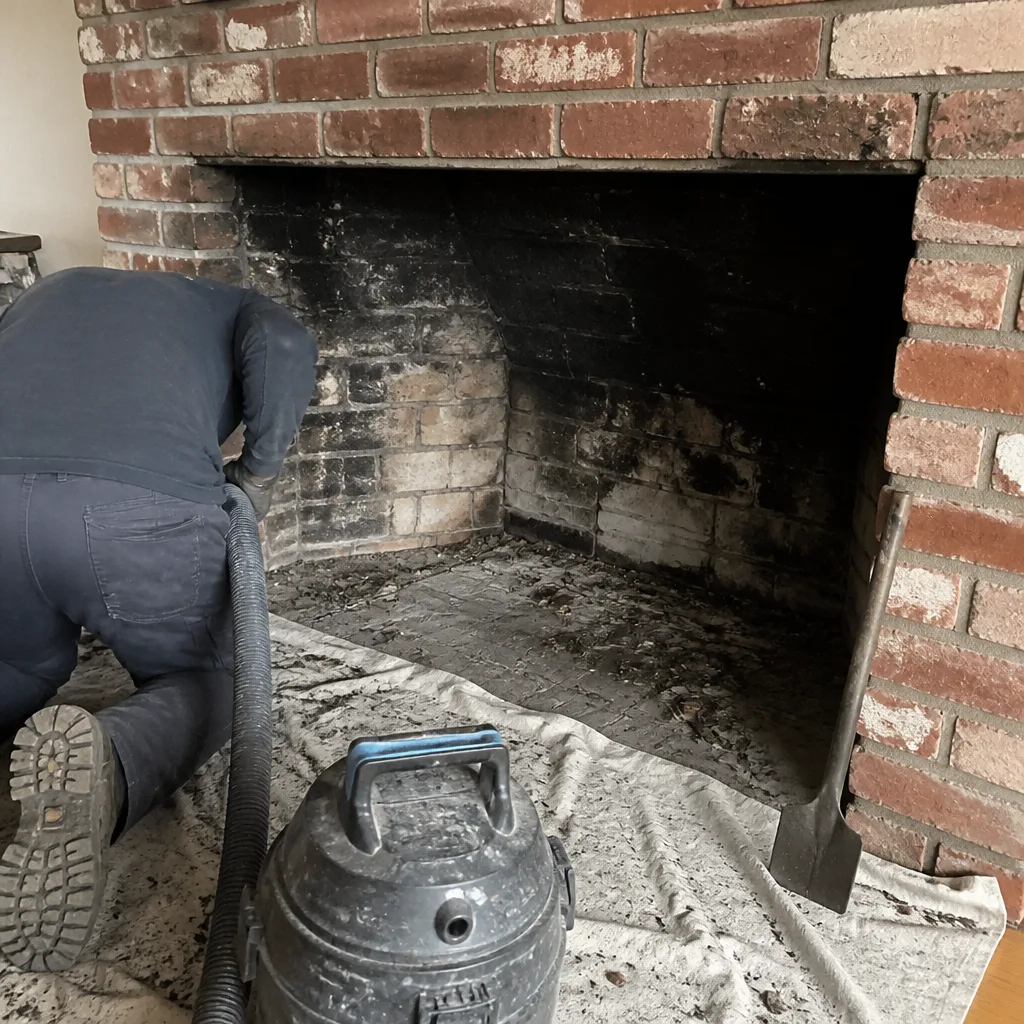 Before
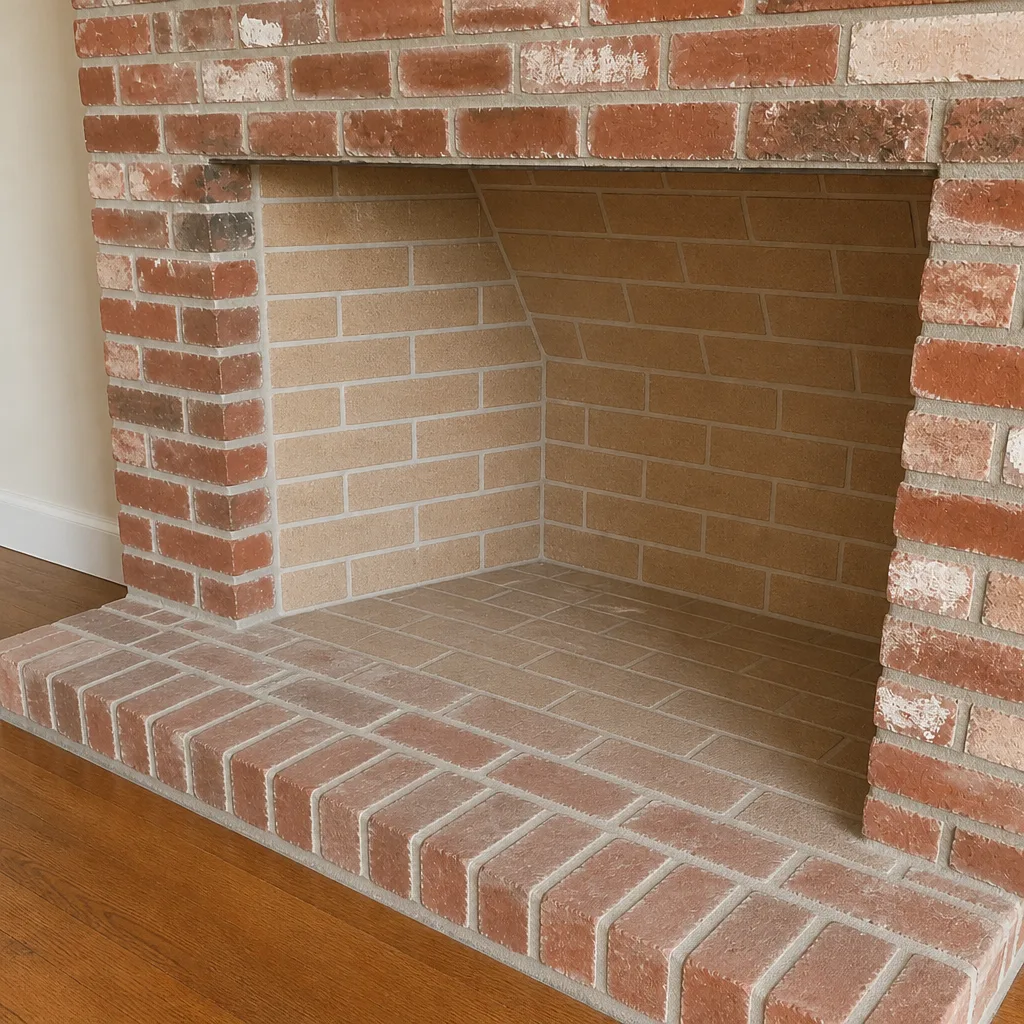 After
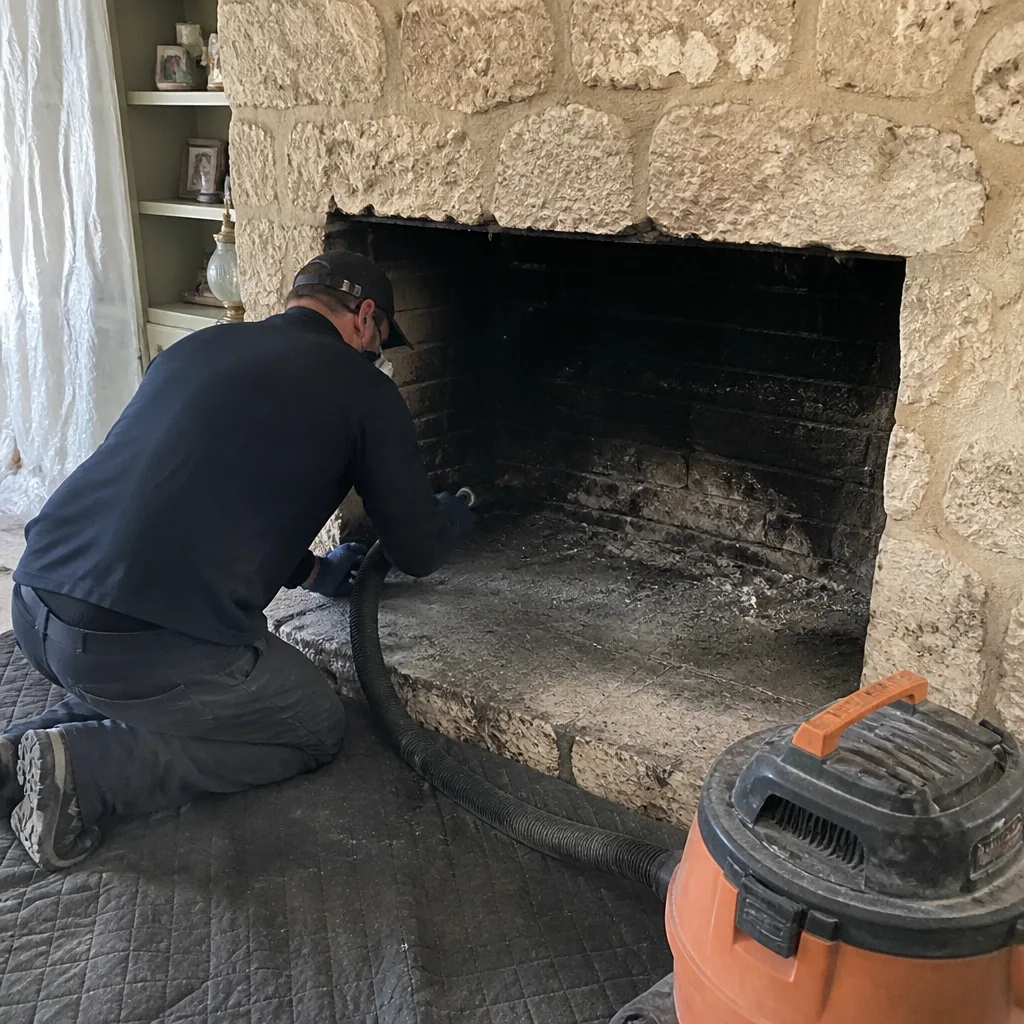 Before
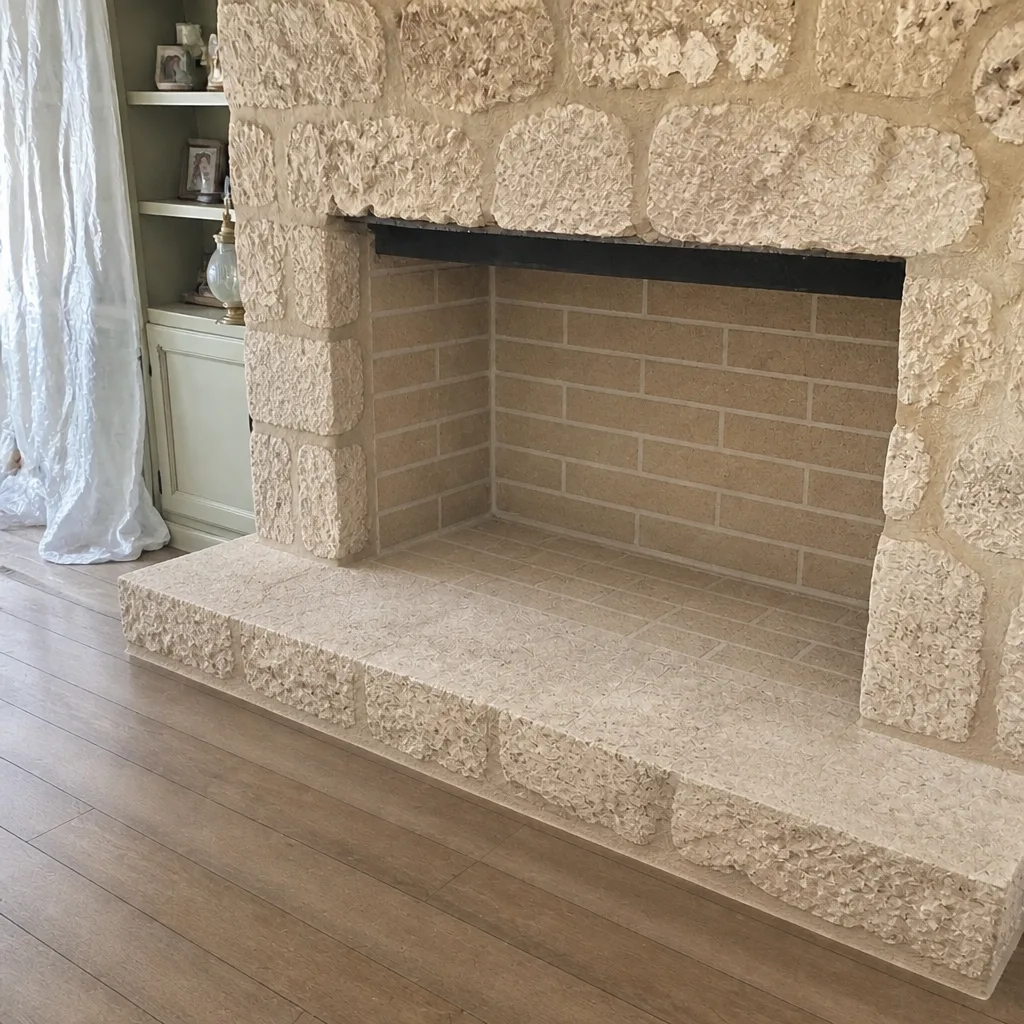 After
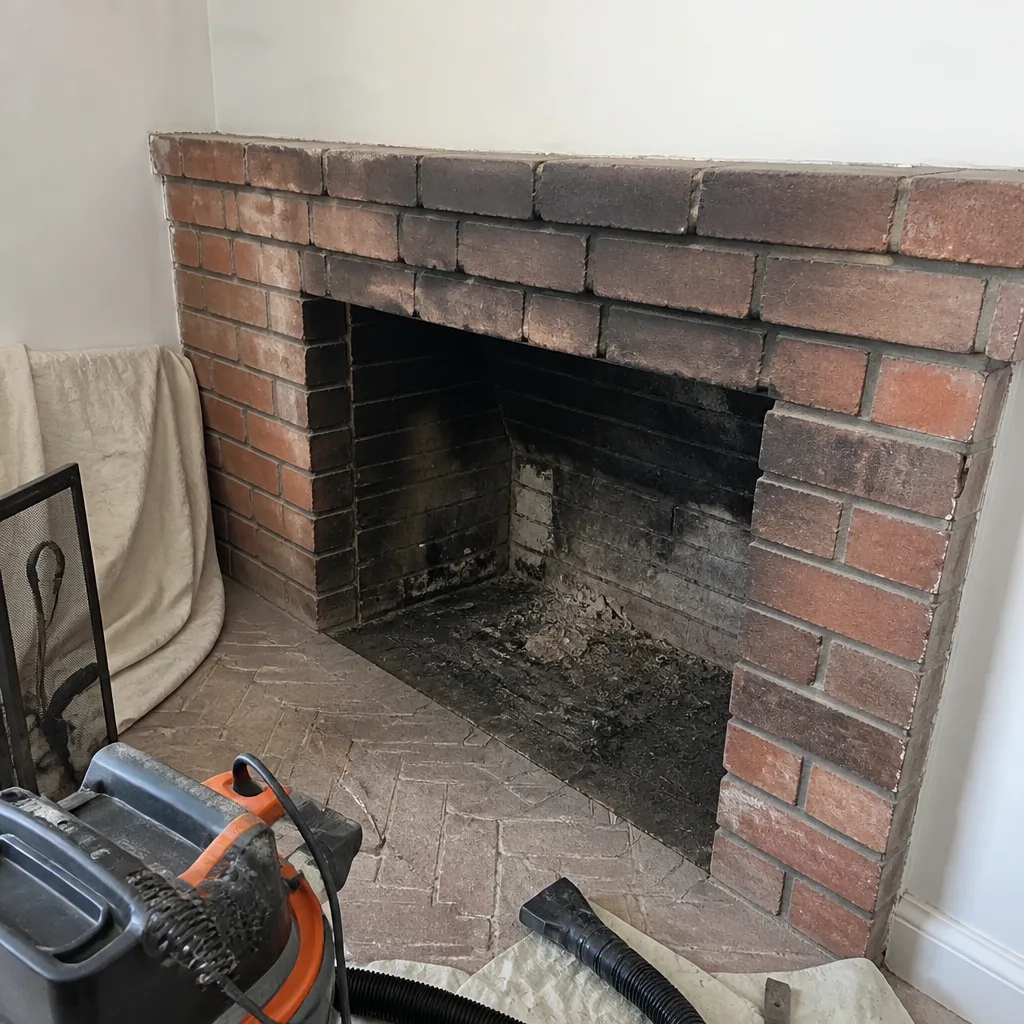 Before
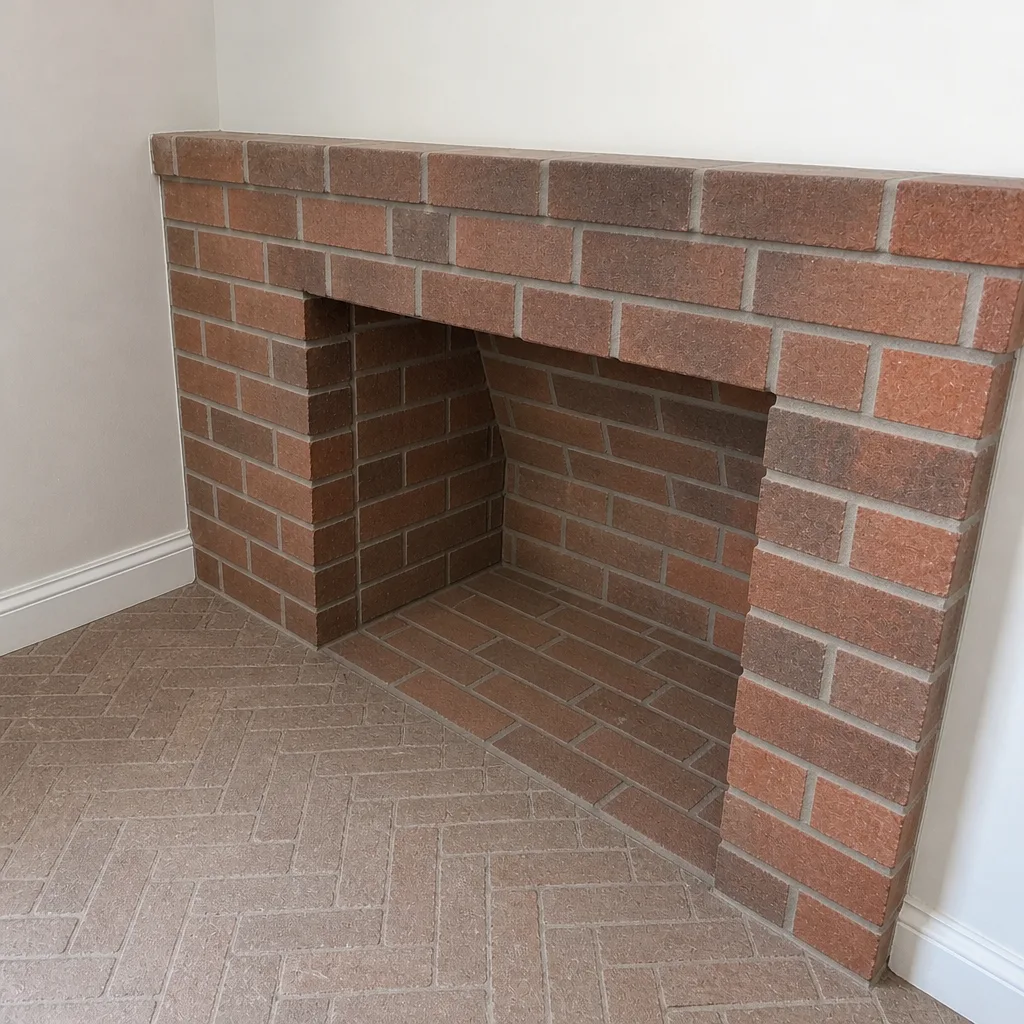 After
When to Call a Professional
Some chimney issues are for the homeowner to inspect and note; others need a trained technician before you light another fire. Call us if you see any of the following: smoke rolling back into the room when the fire is burning, a draft that used to be strong and isn’t, visible cracks in the flue tiles or a gap in the smoke chamber, a cap that’s bent or missing its screen, white staining on the exterior masonry, a damp ashy smell in the firebox after a fire dies, or any incident where you suspect exhaust has come back into the house. If the chimney has never been inspected or you’ve recently bought the house, an inspection is the right first step before assuming anything.
A chimney fire or carbon monoxide exposure is a serious event, so anything involving a suspected blocked flue or a backdrafting chimney should get a professional visit, not a guess from ground level. Chimney Sweep Canoga Park offers free estimates in Canoga Park, and we inspect before we recommend. Call (844) 443-4582. We answer 24/7. Fast dispatch from 7am to 7pm, Sunday through Friday.
Frequently Asked Questions
Most Canoga Park chimneys should be swept once a year, timed in late summer or early fall before the burning season and Santa Ana wind events begin. Homes that burn frequently, or that burn green or unseasoned wood, may need more than one sweep a year. An inspection tells you whether the creosote load warrants a sweep now or whether the chimney is fine until next season. Call (844) 443-4582 for an exact quote. Estimates are free.
Fall is better because it clears the current year’s creosote and debris right before you start burning, not six months afterward. In our climate most burning happens late November through February, so a spring sweep leaves the flue sitting dirty through the whole fall season. The fall visit also prepares the chimney for Santa Ana wind events, when airflow at the top of the flue reverses and a clean, unobstructed path matters. Call (844) 443-4582 for an exact quote. Estimates are free.
Sometimes. Smoke infiltrating a home during a nearby wildfire often points to pressure differences in the house, but it can also mean the flue isn’t drawing a positive pull, the cap is loose, or the chimney has gaps. Fine ash deposits from smoke events behave differently than creosote and collect on the smoke shelf and flue shoulders, so a thorough sweep after a heavy smoke event is worth scheduling. Call (844) 443-4582 for an exact quote. Estimates are free.
Yes, starlings and swifts commonly nest in chimneys and caps in spring in the area. An open or damaged cap or a missing screen gives birds easy entry, and once nest material blocks a flue it becomes both a venting problem and a fire hazard. The fix is a properly sized cap with a proper screen, installed before nesting season. We fit caps from multiple manufacturers so the cap matches the actual flue diameter. Call (844) 443-4582 for an exact quote. Estimates are free.
Daily heat cycling causes them. The exterior masonry expands in the afternoon sun and contracts at night, and that movement stresses mortar joints and crown edges over the dry summer. Chimneys here sit for months without combustion moisture balancing the cycle, so the mortar takes the strain. A summer visual check for hairline cracks and crown separation catches them while they’re small and cheap to repoint. Call (844) 443-4582 for an exact quote. Estimates are free.
Often yes. Poor draft during Canoga Park’s cold snaps usually comes from a flue that cools too quickly, a smoke chamber with buildup, a damaged liner, or a downdraft at the cap. The fix depends on which of those the inspection finds. Resurfacing a deteriorated liner with HeatShield restores the flue without demolition in many cases, and a DuraFlex flexible liner handles offset flues that rigid liners can’t. Inspect first, then repair. Call (844) 443-4582 for an exact quote. Estimates are free.
The Bottom Line
Canoga Park doesn’t have a four-season climate, and its chimney care shouldn’t pretend it does. The four phases that matter here are a late-summer pre-burn sweep before Santa Ana season, winter attention to draft and condensation during our short cold snaps, a spring inspection for bird nesting and storm damage, and summer monitoring of heat-stressed mortar joints. Wildfire smoke events add a maintenance trigger of their own. A one-size-fits-all annual cleaning misses half of that. Our technicians have up to 15 years of experience working on these flues, and we inspect before we recommend anything, so you see the evidence before you pay for the repair. Call (844) 443-4582. We answer 24/7. Fast dispatch from 7am to 7pm, Sunday through Friday. The estimate is free, and your written estimate sets the final price.
Written by the team at Chimney Sweep Canoga Park.