
Last updated November 22, 2026
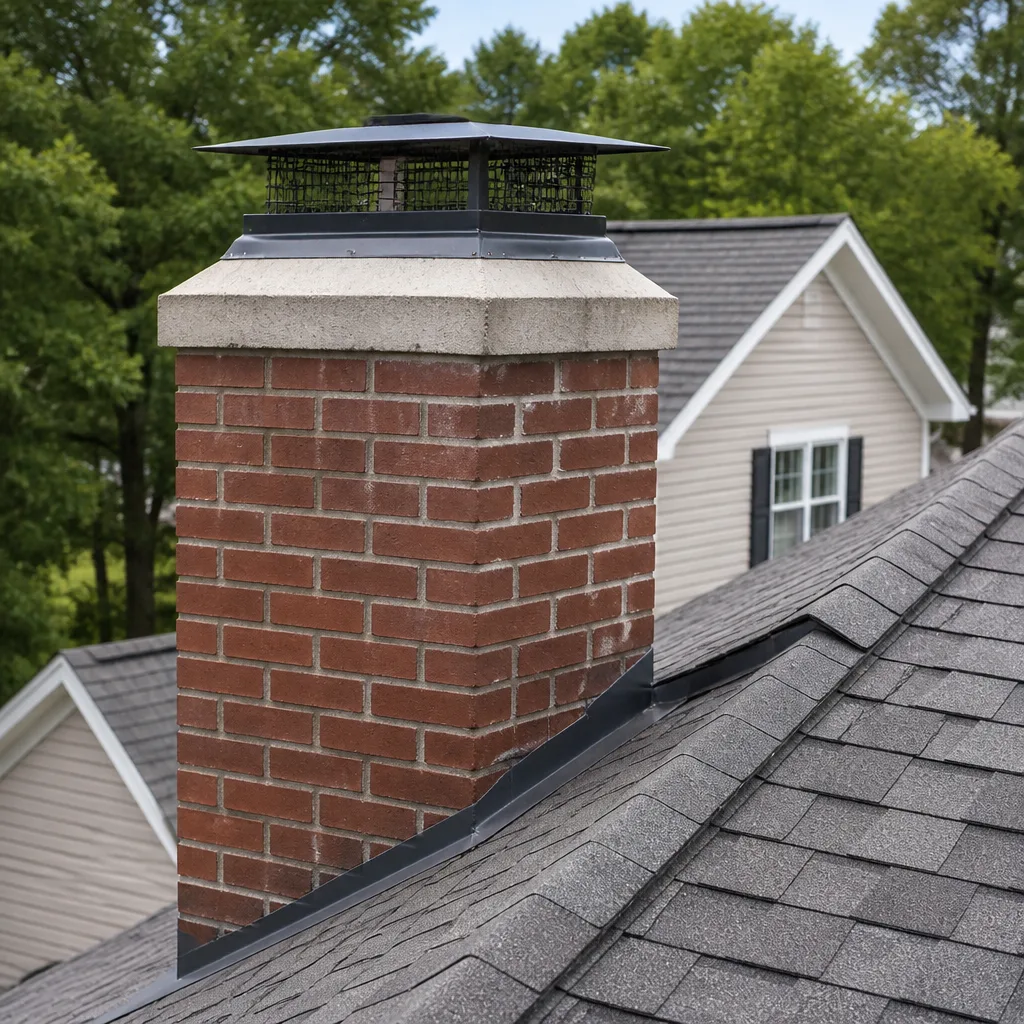 Sweep & inspection
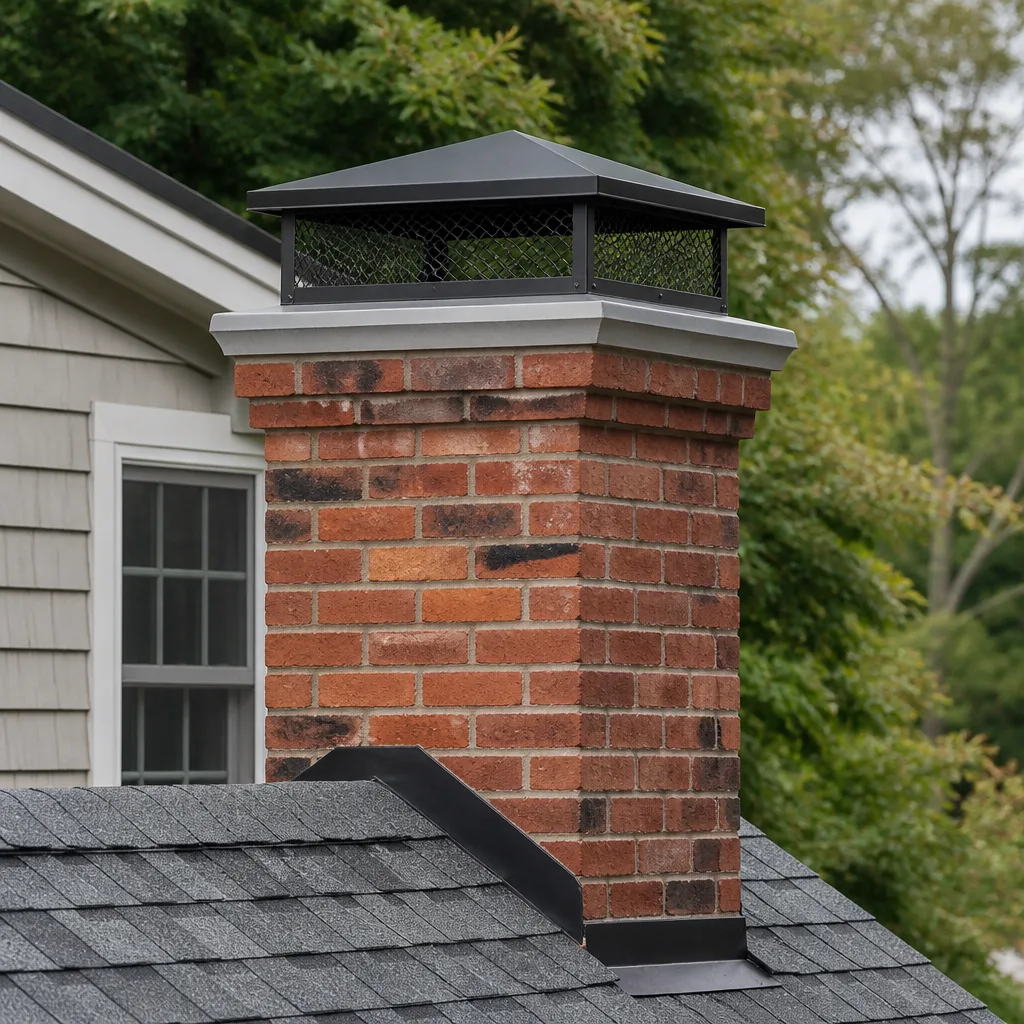 Caps & crowns
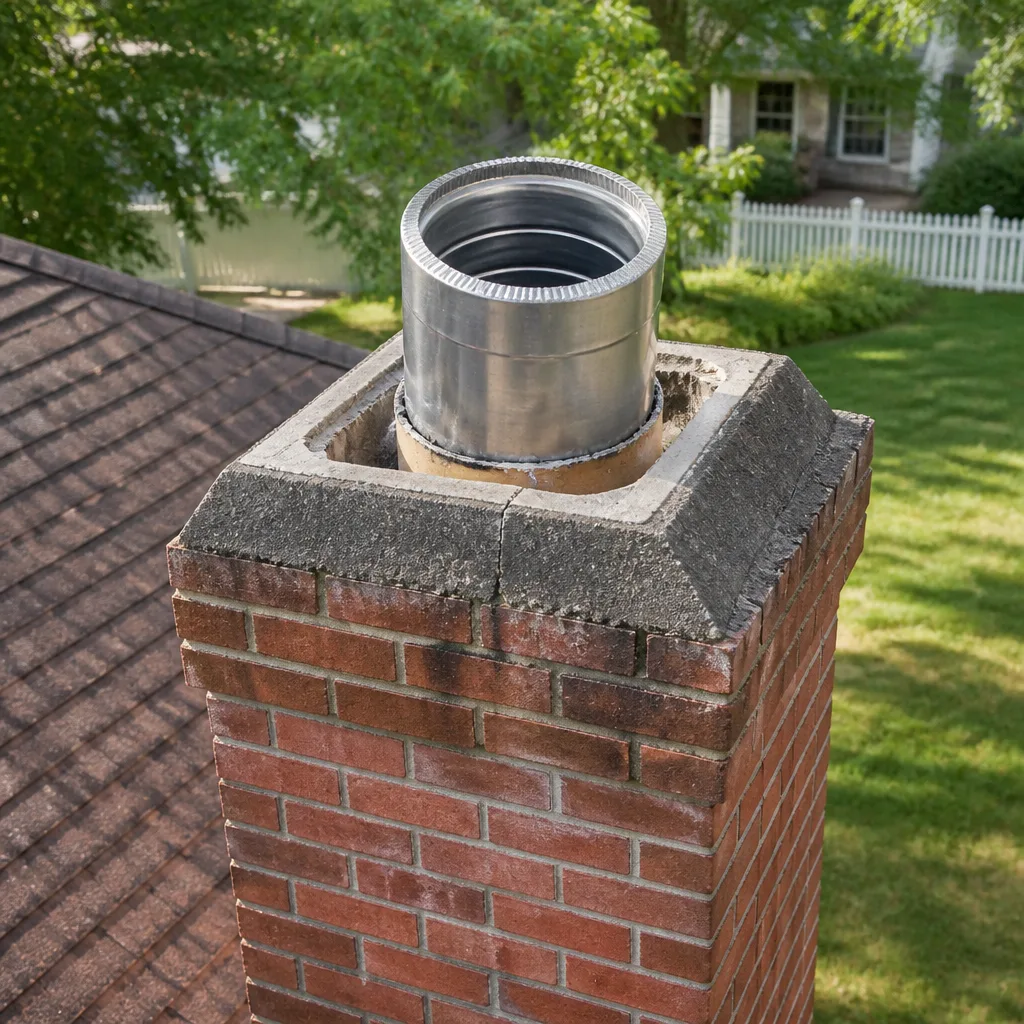 Flue relining
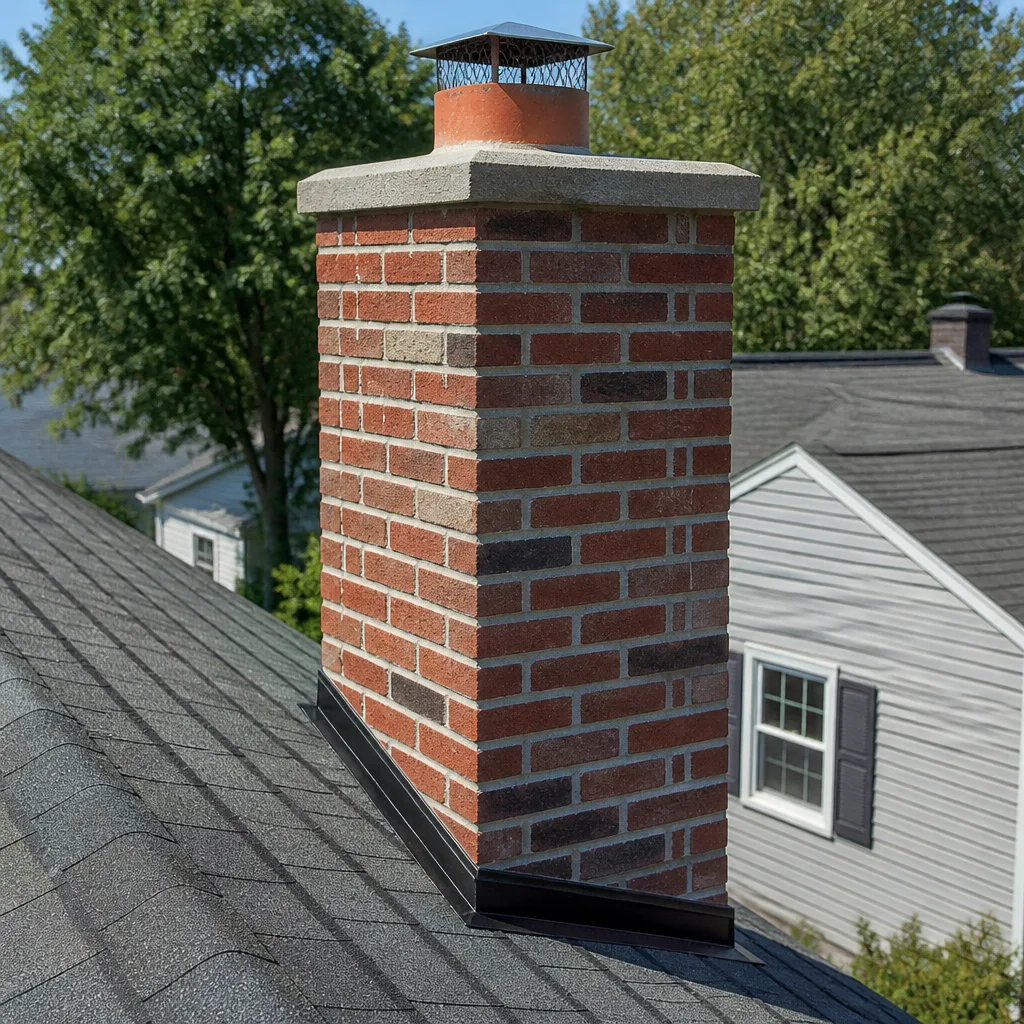 Masonry repair
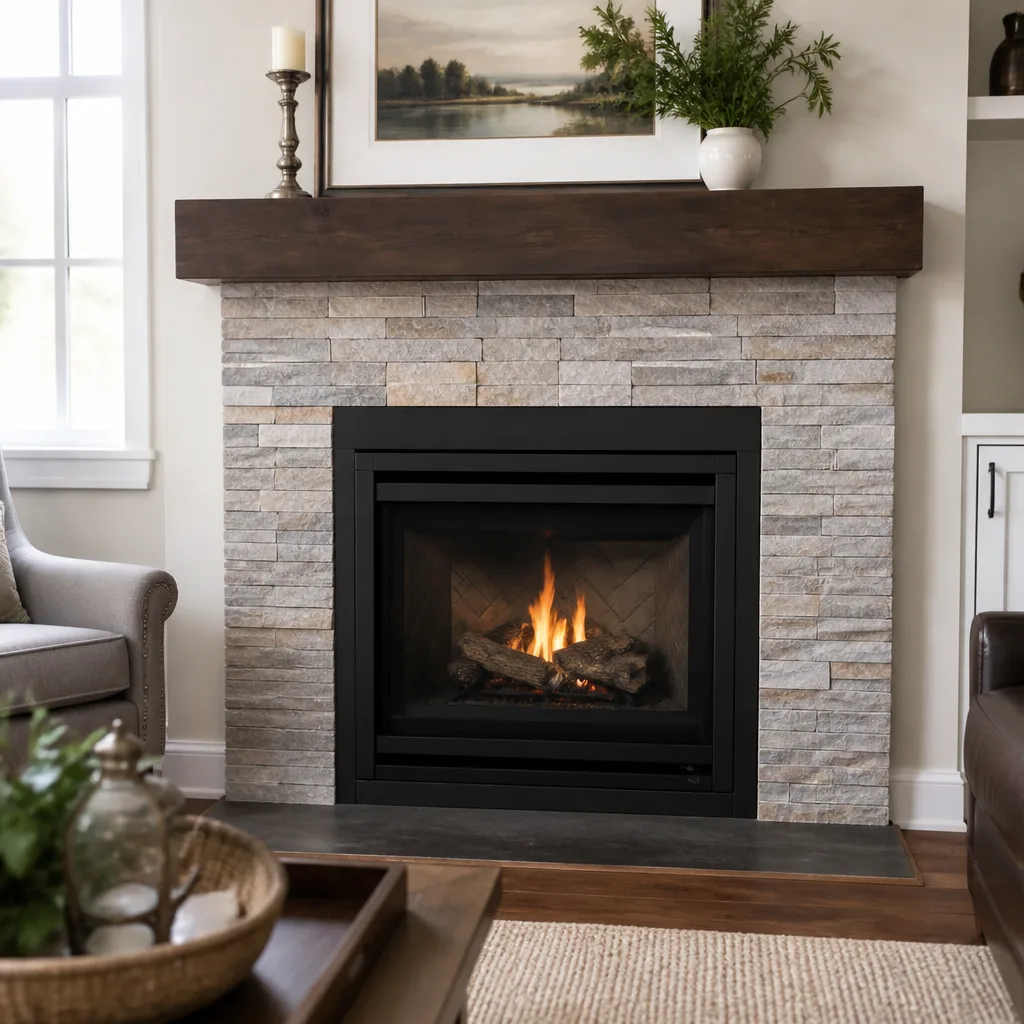 Gas fireplace service
Level 1 sweep and inspection to the NFPA 211 annual standard - flue, crown, cap, and flashing checked and photographed
Chimney sweep logs do not sweep chimneys. They loosen some creosote - which then falls where a brush and vacuum still have to collect it.
The Complete Guide to Chimney Cleaning in Canoga Park
Most homeowners assume a light-use chimney in a warm climate barely needs cleaning. The logic feels solid: a handful of fires a year can’t possibly build up the same creosote as a fireplace burning every night through a New England winter. But that assumption gets the chemistry backwards. Here in Canoga Park, sporadic, intense burn sessions – a cool snap in January, a long holiday evening with the fire going – are exactly the conditions that push creosote toward the stubborn Stage 2 range faster than steady daily burning does. This guide maps the full cleaning process to what actually happens inside Canoga Park chimneys: the residue profiles, the inspection levels, the tools that work, and when to call someone.
Quick Answer
Chimney cleaning in Canoga Park means removing soot, creosote, and debris from the flue and firebox, then inspecting the whole system for cracks, blockages, and liner damage – and a home that burns occasionally needs this roughly once a year, checked and adjusted for how much you actually burn. In our dry, wildfire-prone climate, the job also includes clearing ash and smoke residue after fire season and confirming the cap and crown are intact. We inspect before we sweep, and you get a photo report of what we found.
Styles & brands we work with
- Sweep & inspection
- Caps & crowns
- Flue relining
- Masonry repair
- Gas fireplace service
Table of Contents
- Why Canoga Park Chimneys Build Creosote Differently
- Level 1, 2, and 3 Inspections: Which Do You Need?
- What Professional Sweeps Use (and What a Hardware-Store Kit Doesn’t Do)
- Eucalyptus, Oak, and the Residue Profiles of LA-Area Hardwoods
- How a Chimney Sweep Works, Step by Step
- How Often Should You Clean a Chimney in Canoga Park?
- What Does Chimney Cleaning Cost in Canoga Park?
- Wildfire Smoke, Insurance, and Fire-Zone Compliance
Why Canoga Park Chimneys Build Creosote Differently
Creosote forms when wood smoke cools before it exits the flue. The compounds in that smoke condense onto the cooler chimney walls, and depending on temperature and burn conditions they land as light soot, as crunchy black flake, or as glazed, tar-like Stage 3 creosote that a brush alone won’t touch. In a cold-climate home running a fire every night, the flue stays hot and much of that exhaust leaves clean. Here in Canoga Park, the pattern is different: you light a fire a few times a month, sometimes weeks apart, and the chimney cools completely between burns. Each cold start means a flue that spends its first stretch below the temperature where smoke burns off cleanly.
That cold-start effect is the core reason frequent light use isn’t the same as light buildup. A fire that runs hot for two hours and then dies produces a heavy condensation cycle on a cold flue. Do that a dozen times through a mild Canoga Park winter and the interior can accumulate residue faster than a fireplace in a colder market that burns steadily. Add in the occasional smoldering overnight log – the kind that produces visible smoke for hours – and you get the densest deposits of all.
The practical takeaway: don’t measure your chimney’s condition by how often you light it. Measure it by what a camera and a trained eye find inside. We’ve seen Canoga Park flues with real Stage 2 buildup from what owners described as “maybe ten fires last year.” The number of burns matters less than how each one burned.
- Cold starts condense more creosote than steady hot burns.
- Smoldering logs produce the densest, stickiest deposits.
- Long gaps between fires let the whole system cool, which raises condensation on every relight.
- Unseasoned wood adds moisture that cools the smoke and worsens buildup.
Level 1, 2, and 3 Inspections: Which Do You Need?
Not every inspection is the same, and knowing the difference tells you what you’re paying for. The three levels come from national chimney standards, and each looks at more of the system than the last. In our experience, most Canoga Park homeowners need a Level 2 after any significant event, and a Level 1 for a routine annual check.
- Level 1 – visual, accessible check. We look at the firebox, damper, flue interior as far as the eye can see from the firebox, and the exterior cap and crown. This is the right call for a routine annual sweep when nothing has changed since last year.
- Level 2 – camera inspection of the whole flue. This adds a video camera run through the entire flue, plus a look at accessible attic and crawlspace portions of the chimney. It’s the appropriate level after a chimney fire, after a wildfire smoke event, when you’ve bought a new home, after a change in fuel or appliance, or after any structural event like a roof repair.
- Level 3 – invasive inspection. This means opening walls or removing parts of the chimney to reach concealed areas. It’s reserved for cases where a Level 2 finds a problem we can’t verify without access. In Canoga Park, Level 3 is uncommon but sometimes necessary in older homes with hidden flue damage.
After a wildfire smoke event – which has become a real seasonal factor in the San Fernando Valley – a Level 2 helps confirm whether smoke, ash, and airborne debris have entered the flue or settled on the smoke shelf. Smoke residue isn’t the same as creosote, but it can smell and it can mask problems. If you’ve had a recent fire in the hills or a long smoky stretch, ask for a Level 2 rather than a plain sweep. When you schedule a chimney sweep, tell us what’s happened since your last cleaning so we can recommend the right level up front.
What Professional Sweeps Use (and What a Hardware-Store Kit Doesn’t Do)
A brush-and-rod kit from a hardware store can knock loose soot off the upper flue, and that’s about the limit of what it does. Professional cleaning uses rotary systems – a powered spinning brush or whip that follows the flue contour and scrubs the walls – plus a high-powered vacuum with HEPA filtration that captures the dust at the source instead of letting it settle through the room. Those two differences separate a real cleaning from a surface brushing.
Here’s what the pro setup actually accomplishes that DIY can’t:
- Contact and pressure. A rotary brush applies controlled pressure to glazed or hardened deposits that a hand-pushed brush slides over.
- Dust control. A HEPA vacuum seals the firebox opening and pulls negative pressure, so soot doesn’t end up on your furniture. Without it, even a careful DIY sweep coats the room in fine ash.
- Full flue access. Offset and older flues often have bends a straight rod kit can’t follow. Flexible rotary tooling can.
- Verification. After sweeping, a camera run confirms the flue is actually clean and shows you the condition. A DIY brush gives no such proof.
The equipment matters because the residue in a Canoga Park chimney often isn’t pure soot. Ash from wildfire smoke, hardened creosote, and debris from the cap can all sit in the same flue. A tool that only removes one of those leaves the rest behind. Professional-grade materials and tooling from brands like DuraFlex and HeatShield are part of how a real cleaning holds up, and they show up again if repair turns out to be needed. When a flue has glazed deposits a brush can’t lift, or a deteriorated liner that needs resurfacing, having the right tools on hand means the fix happens in the same visit rather than a second appointment weeks later.
Eucalyptus, Oak, and the Residue Profiles of LA-Area Hardwoods
What you burn shapes what builds up. In and around Canoga Park, homeowners burn a real mix: oak, the eucalyptus that’s so common across the Los Angeles area, citrus and other fruitwood from the yard, and occasionally purchased softwood. Each leaves a different signature in the flue, and knowing yours helps you anticipate what a sweep will find.
Eucalyptus burns hot and long, which sounds ideal – and it is, for heat output. But it’s also an oily wood, and that oil content means a denser, stickier residue than a dry hardwood like oak tends to leave. It’s the kind of deposit that creeps toward glazed territory faster, especially on a cool flue. Oak is a cleaner burner when it’s properly seasoned, but oak that’s still green or damp produces more smoke and more moisture, both of which drive condensation. Fruitwoods like citrus are pleasant to burn but often cut and used before they’ve dried, which brings moisture back into the picture.
The rule that ties this together isn’t about species, it’s about moisture. Wood should be seasoned until it’s dry enough to burn cleanly – if a split piece feels heavy or hisses at the end when you light it, it’s not ready. Wet wood cools the smoke, and cool smoke is what condenses into creosote. Canoga Park’s dry climate actually helps here: stacked wood left to season through a hot, dry summer will be in better shape by fall than wood stored in a damp, colder climate. Store it covered but with airflow, off the ground, and it’ll reward you with less residue.
Watch for a residue profile that’s dark, shiny, and hard to the touch. That’s the glazed creosote a simple sweep won’t remove. If a chimney has that, it needs rotary work and possibly a resurfacing product rather than a plain brushing. We’ll tell you what’s actually in your flue before recommending anything.
How a Chimney Sweep Works, Step by Step
A thorough sweep in Canoga Park follows the same sequence every time, because the order matters. Here’s how a typical job goes:
- Protect the room. We lay drop cloths and set up the HEPA vacuum at the firebox opening before anything else happens. Dust control comes first.
- Inspect before sweeping. A quick look at the firebox, damper, and cap tells us what we’re dealing with and whether a camera is needed. We inspect before we sweep.
- Sweep the flue. Rotary tooling runs the full length of the flue, following its shape. This is where hardened creosote and soot come off the walls.
- Clean the firebox, smoke shelf, and damper. The smoke shelf is where debris hides – it’s a ledge just above the damper, and it collects soot and ash that a flue-only cleaning leaves behind.
- Check the cap and crown. We confirm the cap is intact and the crown isn’t cracked, since both keep rain, animals, and debris out. Cap and crown work may include brands like Famco or Copperfield brass and steel caps, sized to the flue.
- Camera verification and photo report. A camera run confirms the flue is clean and shows you the condition – cracks, gaps, and any liner issues. We document it with photos so you see what we see.
- Clear recommendation. Nothing gets recommended without camera evidence you can look at yourself. If work can safely wait, we’ll say so.
The full job usually takes an hour or two for a standard residential chimney. The point of doing it in this order is that the inspection bookends the cleaning – one check before, one after – so you end the visit knowing exactly what condition your chimney is in, not just that it’s cleaner. For the chimney overall structure, chimney repair covers cracking, masonry, and structural work that comes up after a sweep.
How Often Should You Clean a Chimney in Canoga Park?
Most homes benefit from a chimney cleaning once a year, adjusted for how much you actually burn. That’s the general rule almost every chimney professional uses, and in our dry climate it holds up well: an annual sweep catches buildup before it becomes a problem and catches small cracks before they turn into liner work. The number isn’t sacred, though. What matters is how the fires burn and what the flue looks like inside.
Adjust the schedule based on a few local realities:
- Burning a fire most weeks through the cool months – annual cleaning, and a Level 2 camera check every few years or after any change.
- Burning only a handful of times a year – still an annual cleaning, because cold, sporadic burns build creosote efficiently. A quick check can extend the interval, but only if a sweep confirms the flue is genuinely clean.
- After a wildfire smoke event – a cleaning and a Level 2 inspection, regardless of when the last one happened.
- After a chimney fire – a Level 2 inspection before you use the fireplace again, no exceptions.
- In a newly purchased home – a cleaning and full inspection, since you have no history of what the previous owner burned.
If you’re told your Canoga Park chimney needs a cleaning but you burned very little, ask for the camera evidence. A sweep who shows you the inside of your flue on a screen is telling you the truth; one who just says “it’s dirty” and hands you a bill isn’t. We always show the evidence, and if the flue is clean, we’ll tell you it can wait another season.
What Actually Happens If You Skip It?
Skipping a cleaning lets creosote layer on and harden toward the glazed stage, and that’s when the fire hazard – not just the inconvenience – becomes real. Creosote is the fuel in a chimney fire, and a Stage 3 deposit can ignite from a hot ember or a hot fire. Separately, a blocked or damaged flue can let carbon monoxide back into the living space. Neither scenario is common if you keep up with the basics, but both are the reason a once-a-year check is the standard. Call (844) 443-4582 for an exact quote – estimates are free.
What Does Chimney Cleaning Cost in Canoga Park?
A routine chimney cleaning in Canoga Park typically runs in a set price range set per job by a written estimate, with the final number depending on the flue’s condition, access, and whether a camera inspection is included. There isn’t a single flat fee across the trade, and a price quoted over the phone before anyone sees the chimney is a guess. We give a flat-price estimate agreed before booking, so you know the number going in.
Rough guide to what the different jobs involve (the written estimate fixes the exact price for your chimney):
- Standard sweep – cleaning of the flue, firebox, smoke shelf, and damper, with a visual check. The most common Canoga Park job.
- Sweep plus Level 2 camera inspection – adds a full video run of the flue and a photo report. Worth it after a wildfire smoke event or a home purchase.
- Cap or crown work – replacing or repairing a cap or crown, sized to your flue. Materials from brands like Famco and Copperfield come in different fits, so the price depends on the cap chosen.
- Liner repair or resurfacing – fixing a cracked or deteriorated liner, sometimes with HeatShield resurfacing rather than a full reline. Priced after the camera inspection confirms the problem.
Two things keep the price honest. First, the estimate is free and written. Second, nothing beyond the sweep gets recommended without camera evidence you can see. That answers the real worry – being told you need thousands of dollars of liner or masonry work you can’t verify. You can verify it, because we show you the screen. Call (844) 443-4582 for an exact quote – estimates are free.
Wildfire Smoke, Insurance, and Fire-Zone Compliance
Southern California’s fire seasons have made wildfire smoke a routine part of life in the San Fernando Valley, and that has a chimney angle most guides skip. Smoke and fine ash from a nearby fire can settle on the smoke shelf, coat the flue, and leave a smell that lingers every time you light a fire. It also can mask a developing problem – a smoky flue is harder to inspect visually. If your area has seen a significant smoke event, a cleaning followed by a Level 2 camera inspection is the right reset.
There’s an insurance side too. Many California homeowners’ policies in fire-prone areas include conditions about the fireplace and chimney, and some carriers ask for proof of maintenance. Requirements vary by carrier and policy, so it’s worth reading your own and asking your agent what documentation they want. Keeping a record of your annual sweep and any inspection helps when that question comes up. We provide a photo report with every sweep, which gives you something concrete to keep on file.
The parts of the system that matter for fire safety are the ones a cleaning verifies: an intact flue liner, an undamaged cap, and a clean, unobstructed passage. If a cap or crown is failing, that’s a repair – chimney cap & crown work keeps water and debris out and is worth doing before the next fire season. If the firebox or damper needs attention, that’s handled under fireplace repair.
Common Mistakes to Avoid
- Judging the need by burn count. “I only lit ten fires” doesn’t mean the flue is clean. Cold, sporadic burns build creosote efficiently, so always verify with a camera rather than guessing from your burn log.
- Burning unseasoned or damp wood. Wet wood and green wood cool the smoke and drive condensation. Season your wood properly before the fire season gets going, and store it covered but with airflow.
- Skipping the smoke shelf. A flue-only brushing leaves soot and ash on the smoke shelf above the damper. A proper cleaning includes it.
- Ignoring wildfire smoke residue. Ash and smoke coating the flue after a fire event is easy to overlook. If your area has had a smoky stretch, get a cleaning and a Level 2 inspection.
- Trusting a phone quote. A price given before anyone sees the chimney is a guess. Insist on a written estimate agreed before booking, and a photo report after.
- Using a hand-brush kit as a substitute for a real cleaning. A hardware-store rod kit lacks the dust control and rotary pressure a real sweep uses, and it gives you no verification of what’s inside.
- Burning softwoods or scrap as a shortcut. Resinous or treated wood leaves heavier, stickier deposits than well-seasoned hardwood, and the cleanup gets harder.
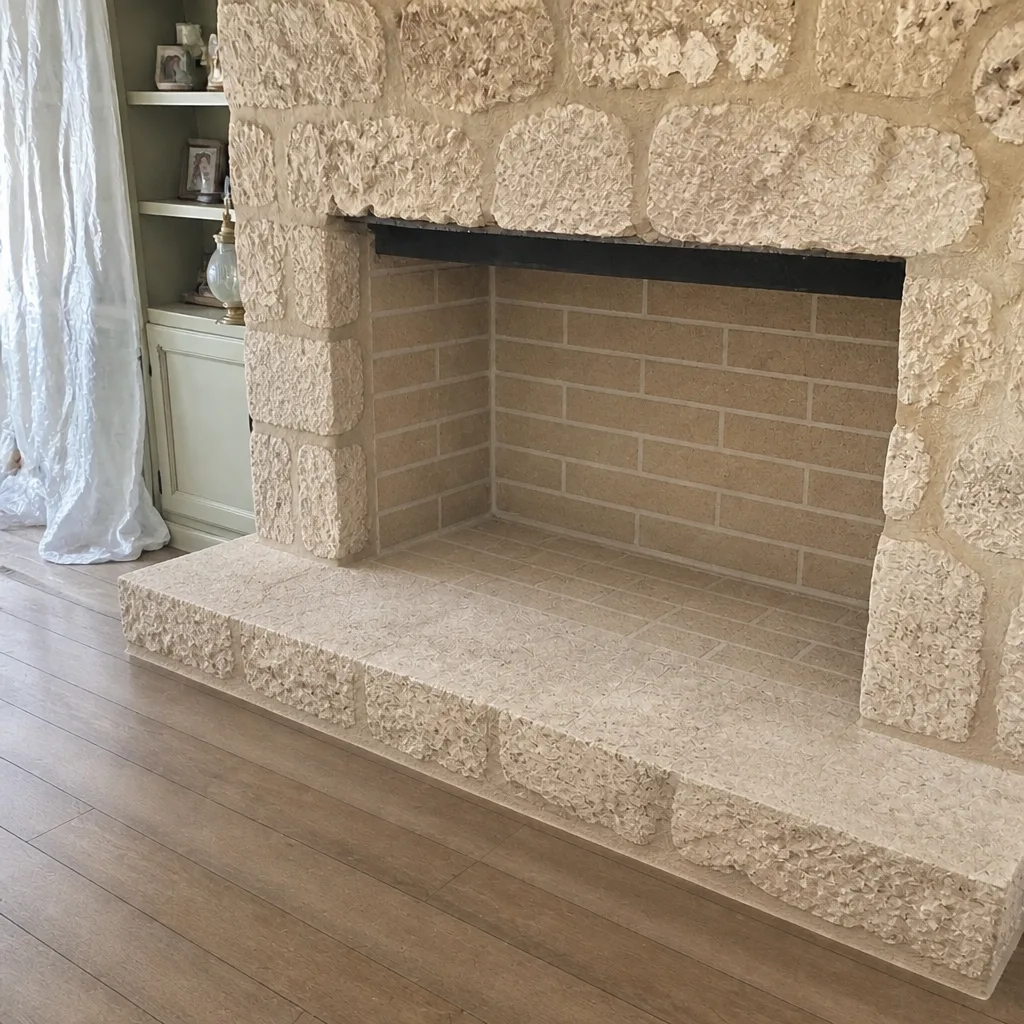
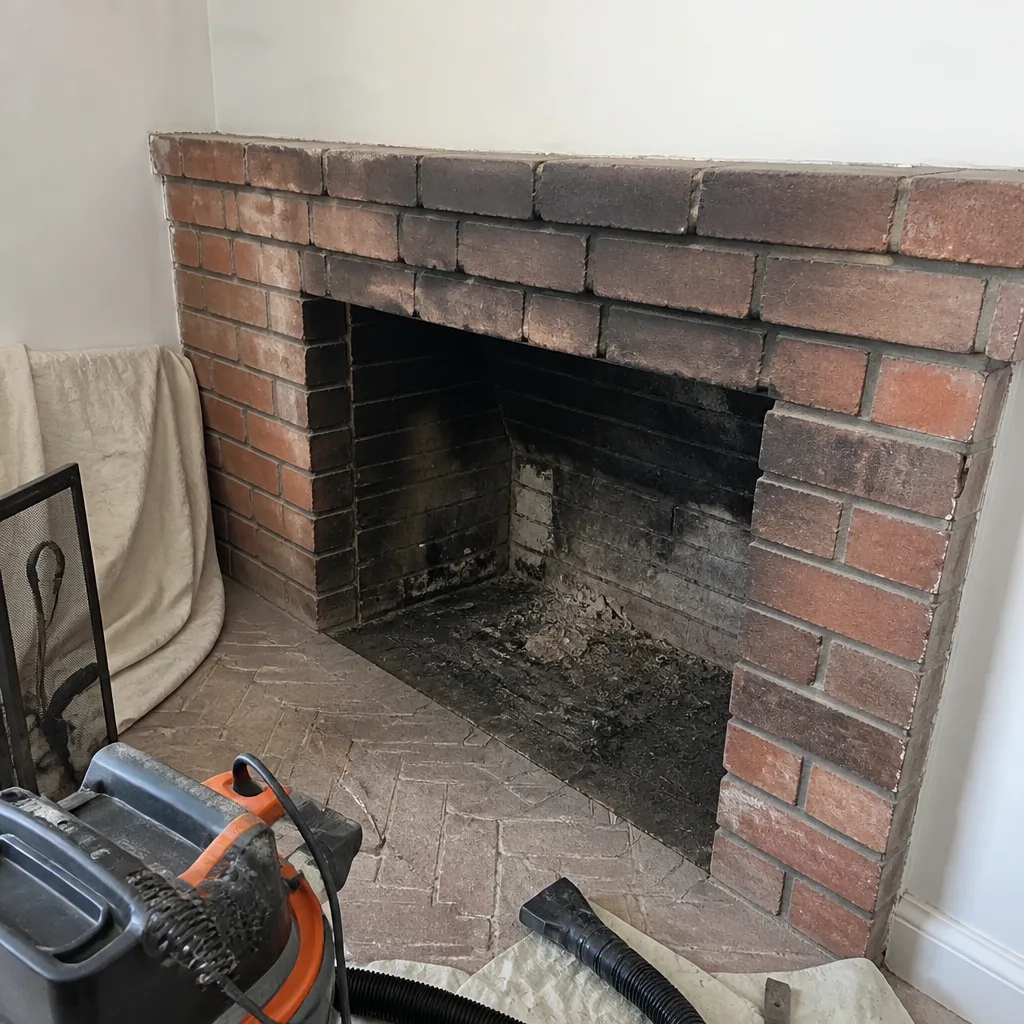
See the difference
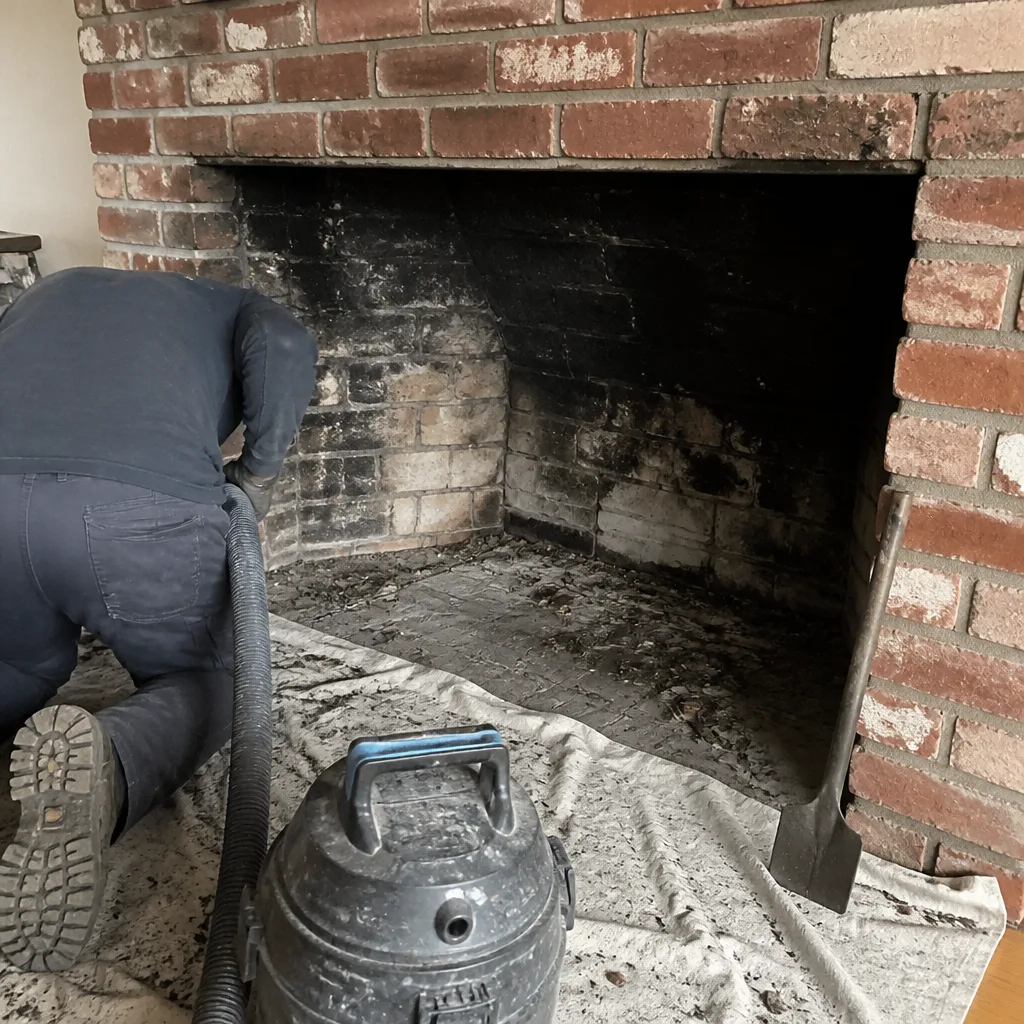 Before
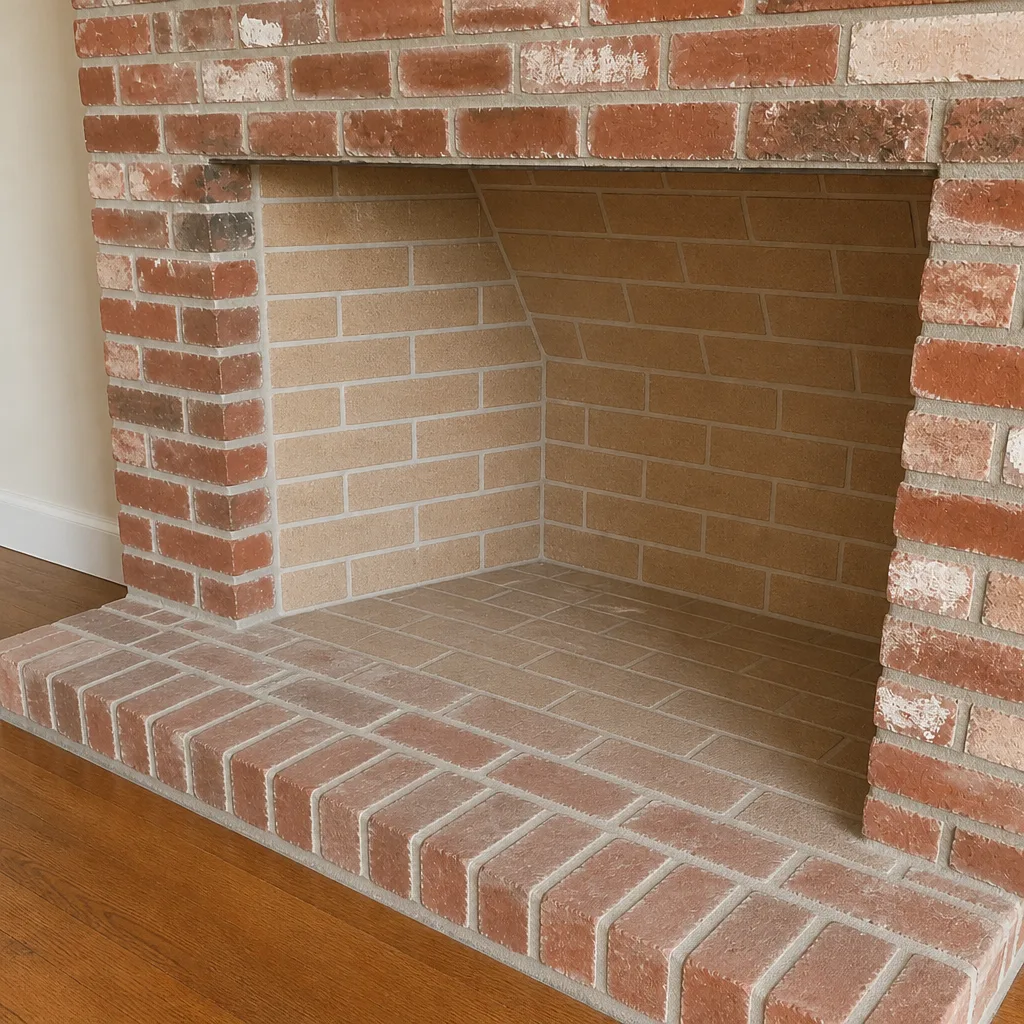 After
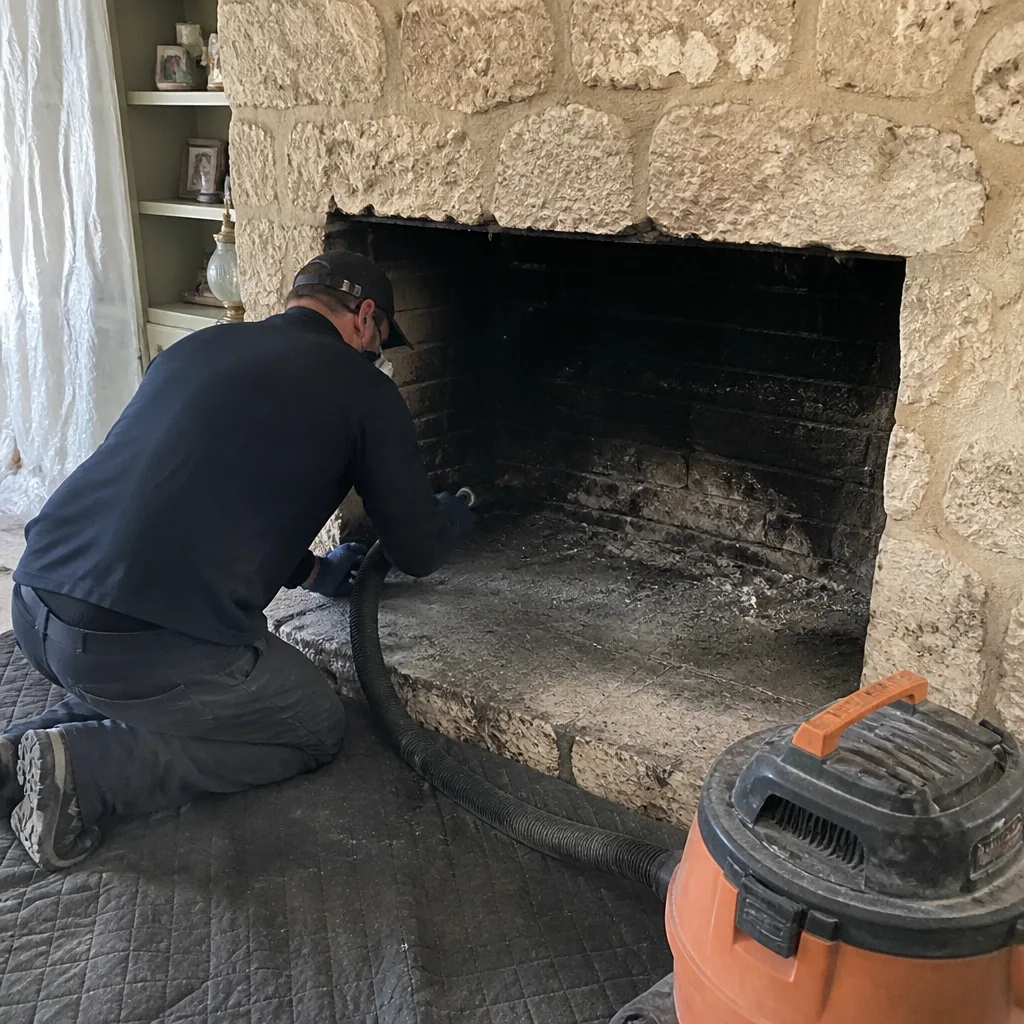 Before
 After
 Before
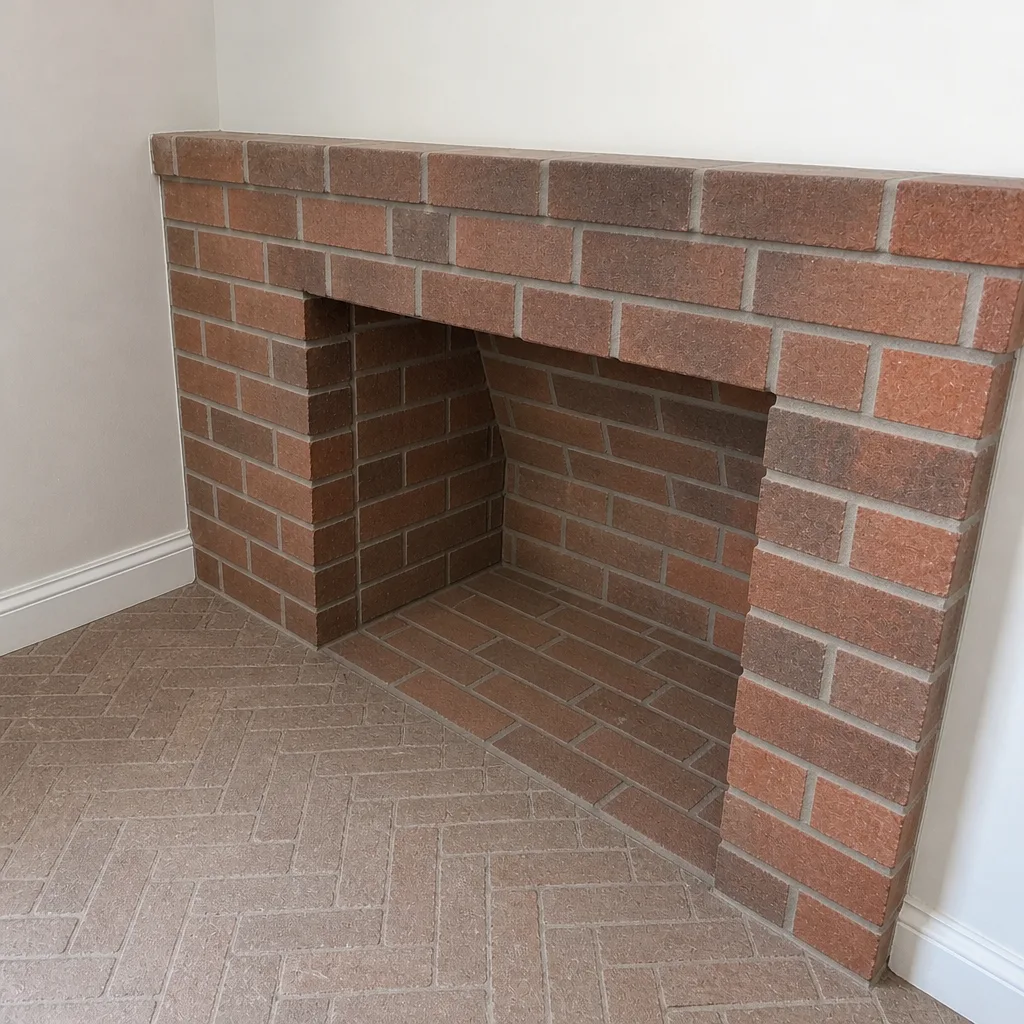 After
When to Call a Professional
Some jobs are worth a call even for a careful homeowner. If you’ve had a chimney fire – a loud roar, a lot of smoke, or a sudden rush of heat – stop using the fireplace and get a Level 2 inspection before you light it again. If you’ve just bought a home in Canoga Park, an inspection and cleaning tells you what the previous owner left behind. If a wildfire smoke event has passed through, a cleaning and camera check reset the system. And if another contractor has told you the liner or masonry needs thousands of dollars of work, get a second opinion with camera evidence you can see. Chimney Sweep Canoga Park offers free estimates in Canoga Park – call (844) 443-4582.
Frequently Asked Questions
A routine chimney cleaning in Canoga Park is priced per job by a written estimate, so the exact number depends on the flue’s condition and whether a camera inspection is included. The estimate is free and agreed before booking, and nothing beyond the sweep gets recommended without camera evidence you can see. Call (844) 443-4582 for an exact quote – estimates are free.
Only if the camera inspection shows a real problem – cracks, gaps, or a deteriorated flue that can’t safely contain the fire. We don’t recommend a liner without showing you the evidence on screen, and in many cases a HeatShield resurfacing can restore a deteriorated flue instead of a full reline. If it can wait, we’ll say so. Call (844) 443-4582 with questions before you commit to anything.
Most homes benefit from a cleaning once a year, adjusted for how much you burn and what the flue looks like inside. In Canoga Park, where fires are often sporadic, an annual check catches cold-start buildup before it becomes a problem. Call (844) 443-4582 to book a sweep or ask what interval fits your fireplace.
Creosote keeps building and hardens toward the glazed stage, which raises chimney fire risk, and a blocked or damaged flue can let carbon monoxide back into the home. Neither is likely if you keep up with an annual check, but both are why the yearly sweep is the standard. Call (844) 443-4582 for an exact quote – estimates are free.
A Level 2 inspection, which adds a camera run through the whole flue and a look at accessible attic and crawlspace portions, is the right choice after a wildfire smoke event. It confirms whether smoke and ash have entered the flue or settled on the smoke shelf. Call (844) 443-4582 to book a Level 2 inspection.
Yes. Flexible rotary tooling and DuraFlex flexible liner systems handle offset and older flue configurations that a rigid brush can’t follow, so a bent or offset flue isn’t a reason to skip the cleaning. The camera inspection confirms what’s inside before we sweep. Call (844) 443-4582 to get started.
The Bottom Line
Chimney cleaning in Canoga Park isn’t just about brushing out soot. It’s about understanding how sporadic, intense fires in a dry, smoky climate build creosote differently, and matching the cleaning to what’s actually in the flue. The key takeaways: cold starts and smoldering logs build residue faster than you’d expect, so don’t judge by burn count. Ask for a Level 2 after a wildfire smoke event. Use professional-grade tooling rather than a hand-brush kit. And insist on camera evidence before any repair is recommended. An annual sweep, a clear inspection, and honest advice keep a Canoga Park fireplace safe and ready season after season. Call (844) 443-4582 for a free estimate. The estimate is free and the price is set per job by the written estimate. We answer 24/7. Fast dispatch from 7am to 7pm, Sunday through Friday. For a full chimney sweep in Canoga Park, reach out to Chimney Sweep Canoga Park.
Written by the team at Chimney Sweep Canoga Park.